Andrew Latham
Andrew is the Content Director for SuperMoney, a Certified Financial Planner®, and a Certified Personal Finance Counselor. He loves to geek out on financial data and translate it into actionable insights everyone can understand. His work is often cited by major publications and institutions, such as Forbes, U.S. News, Fox Business, SFGate, Realtor, Deloitte, and Business Insider.
articles from Andrew
1346 posts
Emergency Fund vs. Savings vs. Sinking Fund: What’s the Difference?
Published 02/27/2026 by Andrew Latham
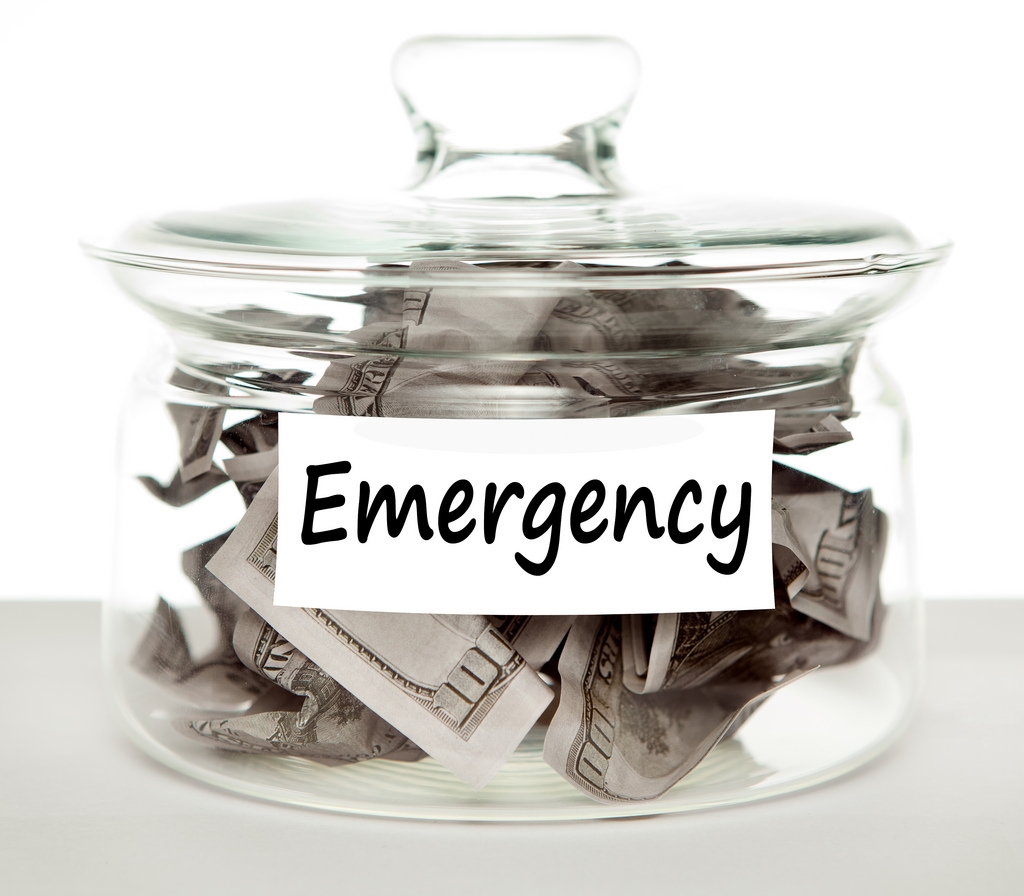
An emergency fund covers unexpected crises like job loss or medical bills, a savings account holds money for planned goals like vacations or a down payment, and a sinking fund sets aside small amounts over time for predictable irregular expenses like car repairs or annual insurance premiums. Keeping each type of savings in a separate account prevents one financial need from draining another.

When to Use Your Emergency Fund (3 Questions to Ask First)
Published 02/25/2026 by Andrew Latham
Use your emergency fund only when an expense passes three tests: it is unexpected, necessary, and urgent — if any answer is no, the expense doesn’t qualify and should be covered another way. For example, a sudden car breakdown you need fixed to get to work passes all three, while your annual car insurance premium fails the first test because it’s predictable and should come from a sinking fund instead.
How to Stop Living Paycheck to Paycheck (By Automating Your Way Out)
Published 02/24/2026 by Andrew Latham
Living paycheck to paycheck means your entire income goes toward bills and expenses each month, leaving no money for savings, emergencies, or financial progress. Automating even $25 per paycheck into a separate savings account on payday — before any spending happens — is the fastest way to break the cycle without relying on willpower or a higher income.

How AI Budgeting Apps Work (And Why They Beat Spreadsheets)
Published 02/24/2026 by Andrew Latham
AI budgeting apps work by using machine learning algorithms to automatically connect to your bank accounts, categorize every transaction, detect spending patterns, and generate personalized recommendations — without you manually entering a single number. Unlike traditional budgeting apps that track what already happened, AI budgeting tools analyze behavioral data to predict what’s likely to happen next, then alert you before a problem occurs.

The ‘Set It and Forget It’ Money System: Build Yours in a Weekend
Published 02/24/2026 by Andrew Latham
The “set it and forget it” money system is a personal finance approach that automates savings, bills, and debt payments on payday — so your financial priorities are funded before you have a chance to spend them. The foundation is the pay yourself first method — and when automation is the default, it works: switching 401(k) enrollment from opt-in to opt-out raises participation rates from roughly 40% to over 90%, according to research published by the National Bureau of Economic Research.

How to Set Up Automatic Bill Pay Without Overdrafting
Published 02/24/2026 by Andrew Latham
Automatic bill pay is a feature offered by banks, credit card companies, and service providers that automatically deducts recurring payments from your bank account or credit card on a scheduled date — eliminating the risk of late fees and credit score damage from forgotten bills. The biggest risk of autopay is overdrafting your account, but you can prevent this by staggering due dates around payday, keeping a cash buffer, and setting up low-balance alerts before each payment posts.

Does Debt Consolidation Hurt Your Credit?
Published 02/20/2026 by Andrew Latham
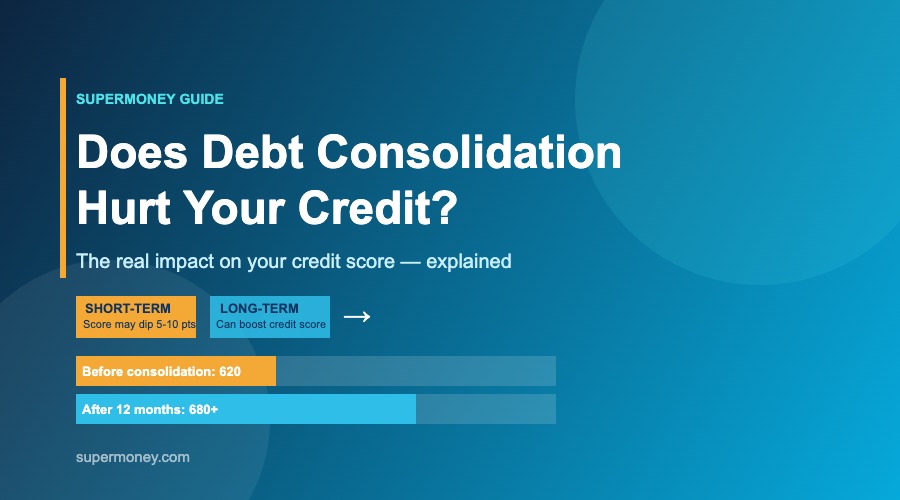
You’ve got a pile of credit card debt and you’re thinking about rolling it all into one loan to simplify your life. Smart thinking. But then you hear someone say “debt consolidation ruins your credit” and now you’re second-guessing everything.
Debt Snowball Calculator: Build Your Payoff Plan
Published 02/20/2026 by Andrew Latham
The debt snowball method is a debt payoff strategy where you pay off your smallest balances first, then roll those payments into your next-smallest debt. It’s not the mathematically cheapest method (that’s the avalanche), but it’s the one most people actually stick with — because early wins build real momentum. This guide explains how the snowball works, walks you through building your payoff plan step by step, and helps you decide if it’s the right strategy for your situation.

Debt Relief Attorney vs. Debt Settlement Company: Which Is Right for You?
Published 02/20/2026 by Andrew Latham
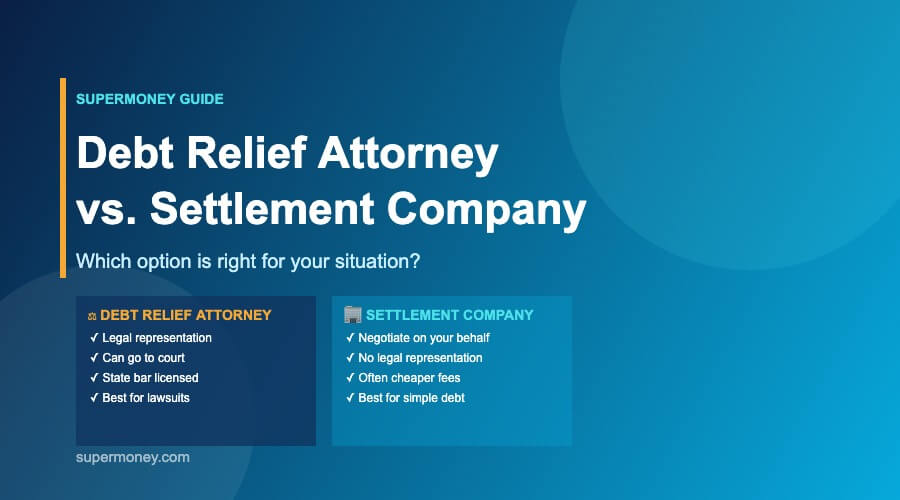
When you’re drowning in debt, the choice between a debt relief attorney and a debt settlement company isn’t just about cost — it’s about what kind of protection you need. Attorneys are licensed professionals who can represent you in court; settlement companies can negotiate but can’t defend you legally. This guide breaks down the key differences, costs, risks, and when to use each — so you can make the right call for your situation.
Why Do I Owe Taxes This Year?
Published 02/20/2026 by Andrew Latham
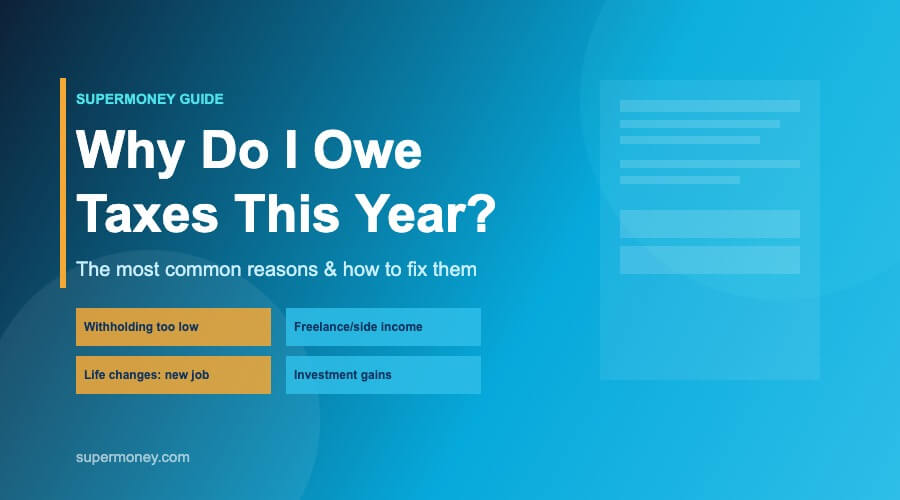
If you’re used to getting a tax refund and suddenly owe the IRS money, you’re not alone — and it doesn’t necessarily mean you did anything wrong. Owing taxes usually comes down to a gap between what was withheld from your paychecks (or paid in estimated taxes) and what you actually owe based on your total income and deductions. This guide walks through the most common reasons people owe taxes unexpectedly, how to fix the problem going forward, and what to do if you can’t pay what you owe right now.