
Ante Mazalin
articles from Ante
963 posts
Debt Consolidation for Single Parents: Affordable Ways to Manage Debt
Published 12/03/2025 by Ante Mazalin
Raising a family on one income can make managing multiple debts feel overwhelming. Debt consolidation helps single parents combine several payments into one, often at a lower interest rate. It’s a practical way to simplify your finances and reduce the stress of high-interest debt.

Debt Consolidation for Seniors: Smarter Ways to Manage Debt on a Fixed Income
Published 12/03/2025 by Ante Mazalin
Managing multiple debts can feel overwhelming for seniors, especially when balancing fixed income, medical bills, and everyday expenses. Debt consolidation can simplify repayment by combining several balances into one predictable monthly payment. It’s a practical way to lower interest costs and regain control over your finances later in life.

Debt Consolidation for Veterans & Military: Best Options & How to Qualify
Published 12/03/2025 by Ante Mazalin
Veterans and active-duty service members often face unique financial pressures, from deployment-related expenses to frequent relocations. Debt consolidation can simplify repayment by combining multiple balances into one manageable payment, often at a lower interest rate. It’s a practical way for military borrowers to regain control of their finances and reduce the cost of high-interest debt.

Debt Consolidation for Self-Employed Borrowers: Best Options, Challenges & Smart Solutions
Published 12/02/2025 by Ante Mazalin
Self-employed borrowers can consolidate debt through personal loans, HELOCs, business loans, or debt management plans. While income verification and credit challenges make approval harder, there are proven strategies to boost approval odds and reduce interest costs. Here’s how to find the best consolidation solution when you work for yourself.

How to Consolidate Medical Debt: Best Options, Alternatives & Smart Strategies
Published 12/02/2025 by Ante Mazalin
Medical debt can be overwhelming, but there are several ways to consolidate bills and lower costs. Options include personal loans, debt management plans, hospital hardship programs, 0% medical payment plans, and negotiating directly with providers. Learn which method is right for your situation and how to protect your credit along the way.

Debt Consolidation for Married Couples: How to Combine Debts the Smart Way
Published 12/02/2025 by Ante Mazalin
Married couples can consolidate debt using joint personal loans, balance transfer cards, home equity products, or a Debt Management Plan (DMP). The right method depends on your combined credit, income, and financial goals. This guide explains how to merge debts safely and when keeping them separate may be the better choice.

How to Consolidate Debt Without a Loan: Best Strategies & Smart Alternatives
Published 12/02/2025 by Ante Mazalin
You can consolidate debt without taking out a loan by using strategies like debt management plans, balance transfers, creditor negotiations, and budgeting methods. These options can simplify payments, reduce interest, and help you get out of debt even if you don’t qualify for traditional loans.

Debt Consolidation for Bad Credit: Best Options, Alternatives & How to Qualify
Published 12/02/2025 by Ante Mazalin
You can consolidate debt even with bad credit, but your options, interest rates, and approval odds may differ. The best choices typically include secured loans, credit union loans, debt management plans, and HELOCs for homeowners. Learn how each option works and how to avoid costly mistakes.

Snowball vs. Avalanche Method: Which Debt Payoff Strategy Is Best?
Published 12/02/2025 by Ante Mazalin
The debt snowball and avalanche methods are two of the most effective strategies for paying off debt. Snowball builds motivation by paying off small balances first, while avalanche saves the most money by targeting high-interest debt. Learn how each method works and which payoff strategy fits your personality and financial goals.
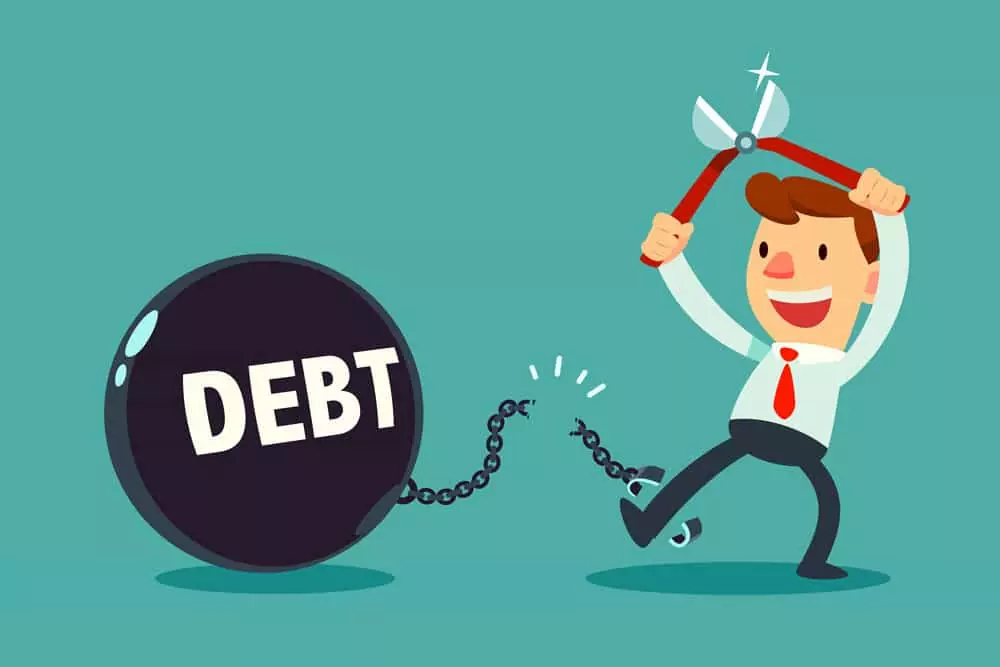
How to Refinance Credit Card Debt at a Lower Rate: Best Options & Smart Strategies
Published 12/02/2025 by Ante Mazalin
Refinancing credit card debt can lower your interest rate, reduce monthly payments, and speed up your payoff timeline. Options include personal loans, balance transfer credit cards, HELOCs, home equity loans, and debt management plans. Learn how to refinance the smart way and avoid common pitfalls.