
Ante Mazalin
articles from Ante
963 posts
Mortgage Pre-Approval vs Pre-Qualification: What’s the Difference (and Which Do You Need?)
Published 11/25/2025 by Ante Mazalin
Mortgage pre-qualification gives you a quick estimate of what you can afford based on self-reported finances, while a mortgage pre-approval verifies your income, credit, and debts to produce a reliable approval amount. If you’re serious about buying a home — especially in a competitive market — a pre-approval carries far more weight with sellers and real estate agents.

Pros and Cons of Using Down Payment Assistance: Is It the Right Move for You?
Published 11/24/2025 by Ante Mazalin
Down payment assistance programs offer grants, forgivable loans, deferred loans, and second mortgages to help buyers cover upfront costs. These programs make homeownership more accessible—but they may include income limits, repayment terms, or higher interest rates. Understanding the pros and cons can help you decide if using DPA is the right choice for your financial goals.
How to Qualify for Down Payment Assistance With Bad Credit
Published 11/24/2025 by Ante Mazalin
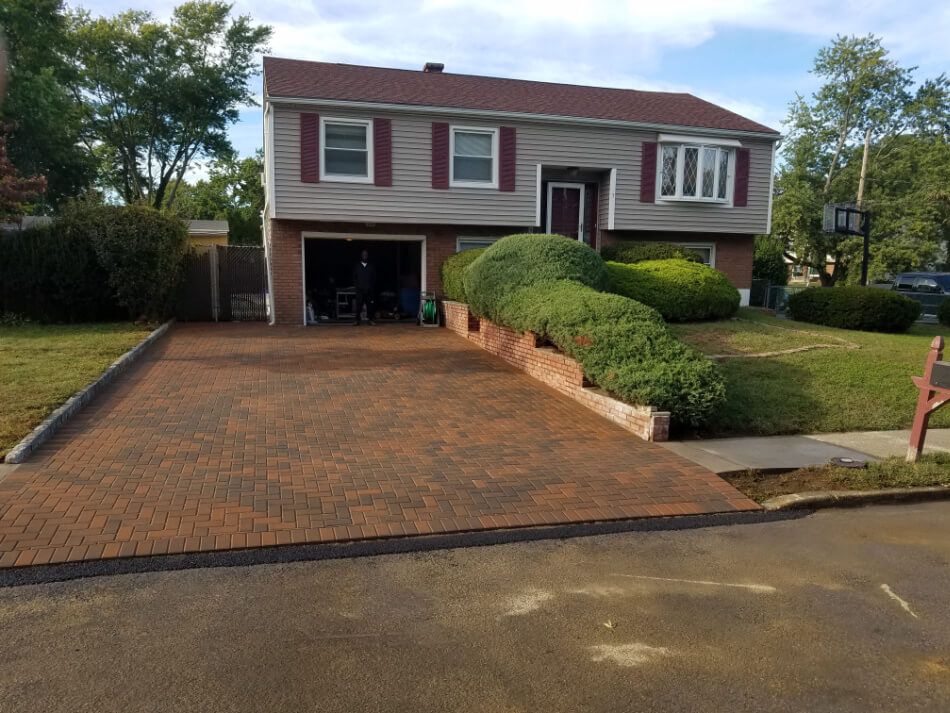
Many down payment assistance (DPA) programs work with borrowers who have less-than-perfect credit. While some programs set minimum credit scores, many pair with FHA, VA, USDA, and certain conventional loans that allow flexible credit requirements. With the right documentation, compensating factors, and program selection, you can still qualify for meaningful help—even with bad credit.
Down Payment Assistance Income Limits Explained: Who Qualifies and Why
Published 11/24/2025 by Ante Mazalin
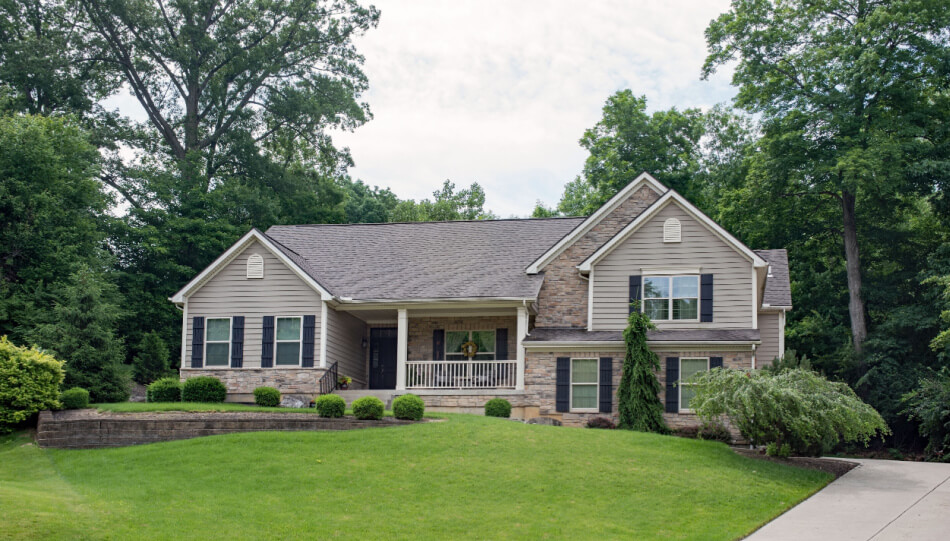
Down payment assistance income limits determine whether you qualify for grants, forgivable loans, or other support. Most programs use area median income (AMI), household size, and location to set eligibility thresholds. Understanding how these limits work — and how lenders verify your income — helps you know which programs you’re likely to qualify for before you apply.

Best Down Payment Assistance Programs by State: Comprehensive Guide for Homebuyers
Published 11/21/2025 by Ante Mazalin
Down payment assistance (DPA) programs vary widely by state, offering grants, forgivable loans, and other resources to help first-time and moderate-income buyers cover upfront homebuying costs. This guide highlights some of the most widely used state programs and explains how to determine which assistance options you qualify for based on income, location, and loan type.

How Down Payment Assistance Programs Work: Grants, Loans, and Forgivable Help Explained
Published 11/21/2025 by Ante Mazalin
Down payment assistance (DPA) programs help homebuyers cover some or all of their down payment and, in some cases, closing costs. Depending on the program, funds may come as a grant, forgivable loan, deferred loan, or low-interest second mortgage. Understanding how these programs work — including eligibility rules, payback terms, and how DPA affects your monthly payment — can help you decide if getting assistance is worth it for your homebuying plans.

Rocket Mortgage vs Freedom Mortgage: Which Lender Is Best for Your Home Loan?
Published 11/21/2025 by Ante Mazalin
Comparing Rocket Mortgage and Freedom Mortgage is really about how you like to work with your lender. Rocket leans heavily into technology and self-service tools, while Freedom Mortgage operates more like a traditional mortgage company with a strong focus on purchase and refinance loans. Both can help you get into a home, but they offer different styles of communication and support.

Rocket Mortgage vs United Wholesale Mortgage (UWM): Which Lender Is Right for You?
Published 11/21/2025 by Ante Mazalin
When you’re comparing Rocket Mortgage and UWM, you’re really comparing two different ways to get a home loan. Rocket Mortgage works directly with borrowers through its digital platform, while UWM powers loans offered by independent mortgage brokers. You can’t apply to UWM directly as a consumer, but your broker may place your loan with them if it’s the best fit.

Chase Mortgage vs Bank of America: Which Lender Is Better for Your Home Loan?
Published 11/20/2025 by Ante Mazalin
Chase and Bank of America are two of the biggest names in U.S. mortgage lending. Both offer broad loan options, competitive rates, and strong digital tools — but they shine in different ways. Chase leans on its household banking brand and in-person guidance, while Bank of America is known for affordability programs and borrower incentives.

Rocket Mortgage vs Veterans United: Which Mortgage Lender Is Best for Veterans?
Published 11/20/2025 by Ante Mazalin
If you’re choosing between Rocket Mortgage and Veterans United, you’re likely weighing two very different strengths. Rocket focuses on speed and technology, making it easy to apply and manage your mortgage online. Veterans United focuses on VA loans and personalized support for military members and their families.