
Ante Mazalin
articles from Ante
963 posts
USDA Loan Property Eligibility 2026: What Homes Qualify and How to Check
Published 10/17/2025 by Ante Mazalin
To qualify for a USDA loan, the property must be in a USDA-eligible rural or suburban area and meet the program’s safety, structural, and livability standards. The home must be your primary residence and can’t be used for business or investment purposes. Use the USDA eligibility map to confirm your address before applying.

USDA Loan for First-Time Home Buyers: 0% Down & Easy Qualification
Published 10/17/2025 by Ante Mazalin
USDA loans are one of the best options for first-time home buyers with limited savings. Backed by the U.S. Department of Agriculture, these loans offer 0% down, low fixed interest rates, and lenient credit requirements for buyers in eligible rural and suburban areas.
Pros and Cons of a USDA Loan 2026: Is It the Right Mortgage for You?
Published 10/17/2025 by Ante Mazalin
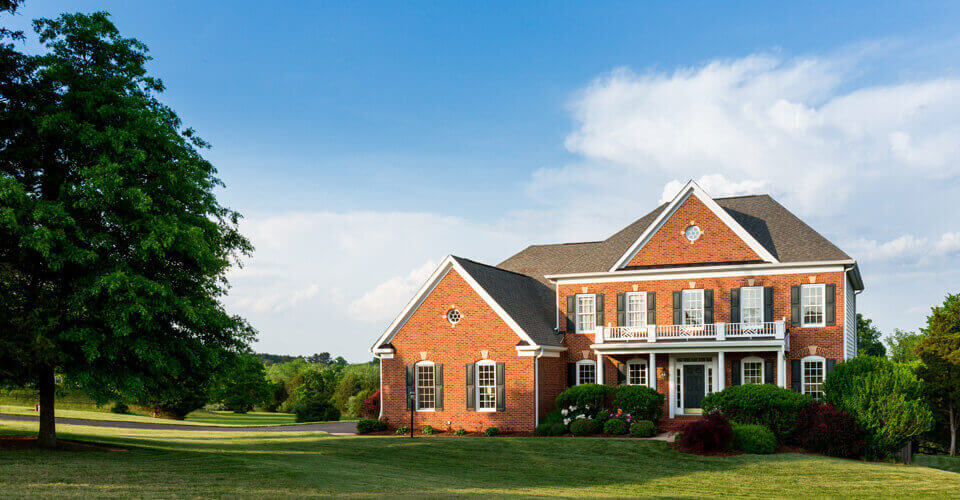
USDA home loans make homeownership accessible for low- and moderate-income borrowers by offering 100% financing, low interest rates, and no monthly PMI. However, they’re limited to rural and some suburban areas, come with income caps, and include a small guarantee fee. Understanding the pros and cons helps you decide if a USDA loan is the right fit.

USDA Streamline Refinance Explained 2026: Eligibility, Benefits & How It Works
Published 10/17/2025 by Ante Mazalin
The USDA Streamlined Assist refinance helps eligible homeowners with existing USDA loans lower their monthly payment with limited documentation and, in many cases, no appraisal. If you’ve made 12 on-time payments and can reduce your payment, you may qualify for a faster, easier refinance with low fees.

USDA vs FHA Loan 2026: Which Low-Down-Payment Option Is Better?
Published 10/16/2025 by Ante Mazalin
USDA and FHA loans both help buyers with modest savings achieve homeownership. USDA loans offer 0% down and no PMI in eligible rural areas, while FHA loans require only 3.5% down and are available nationwide. Your best option depends on where you buy, your income, and credit profile.

USDA Loan Closing Costs 2026: Fees, Rates & How to Save
Published 10/16/2025 by Ante Mazalin
USDA loans make homeownership affordable with zero down payment and competitive interest rates. However, they still involve closing costs—typically 2% to 5% of the home’s price. These include lender fees, title charges, taxes, and the USDA guarantee fee. The good news: you can often roll these costs into your loan or negotiate for seller assistance.
USDA Loan Income Limits by County 2026: Find Out If You Qualify
Published 10/16/2025 by Ante Mazalin
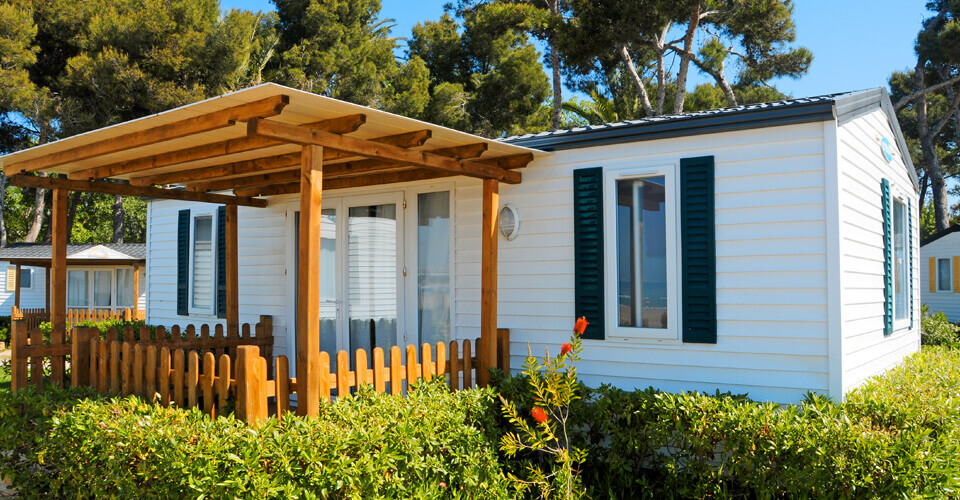
USDA income limits determine who qualifies for zero-down home loans under the U.S. Department of Agriculture’s Rural Development program. These limits vary by county, household size, and program type. Generally, your household income must be at or below 115% of your area’s median income (AMI). Knowing your county’s limits and how income is calculated helps you confirm eligibility before you apply.

USDA Loan Requirements 2026: Eligibility, Income Limits & Property Rules
Published 10/16/2025 by Ante Mazalin
USDA loans help low- to moderate-income buyers purchase homes in eligible rural and suburban areas with 0% down and competitive rates. To qualify, you must meet location eligibility, household income limits (generally ≤115% of area median), credit and debt-to-income guidelines, and occupy the home as your primary residence. The property must meet USDA condition standards. Verifying eligibility early—especially address and income—is the fastest way to avoid delays.
VA Loan Closing Costs and Fees 2026: What to Expect and How to Save
Published 10/16/2025 by Ante Mazalin
VA loan closing costs typically range from 3% to 5% of the loan amount. While the VA limits certain lender fees, borrowers still pay for items like appraisals, title insurance, and taxes. The good news: you can negotiate seller concessions, shop for lower fees, or roll some costs into the loan. Understanding what’s required—and what’s optional—can save you thousands at closing.

VA Loan vs USDA Loan Comparison: Which Zero-Down Mortgage Is Better?
Published 10/16/2025 by Ante Mazalin
VA and USDA loans both offer 0% down payment options and government backing, making them attractive for homebuyers who want affordable financing. However, VA loans are designed for eligible veterans, active-duty service members, and spouses, while USDA loans target low-to-moderate-income buyers in rural areas. The right choice depends on your eligibility, income, and where you plan to buy.