

SuperMoney Team
articles from SuperMoney
2028 posts
Tax Filing Season Started on Jan. 27: What You Need to Know
Published 01/13/2025 by SuperMoney Team
The 2025 tax filing season officially began on Jan. 27, with the IRS rolling out enhanced tools and features to make filing taxes easier than ever. The deadline for Q4 estimated tax payments is Jan. 15, 2025. This article explores the key dates, changes, and considerations for the 2025 tax season, including the pros and cons of using paid software to prepare your taxes.

CFPB Removes Medical Debt from Credit Reports: What It Means for You
Published 01/07/2025 by SuperMoney Team
The Consumer Financial Protection Bureau (CFPB) has finalized a rule to remove medical debt from credit reports, citing its unreliability as a predictor of creditworthiness. While healthcare advocates praise the decision, the American Bankers Association (ABA) has challenged the nonpublic research underpinning the rule.
Smart Financial Goals for 2026: Start the New Year Strong with Automation and AI Tools
Published 01/02/2025 by SuperMoney Team
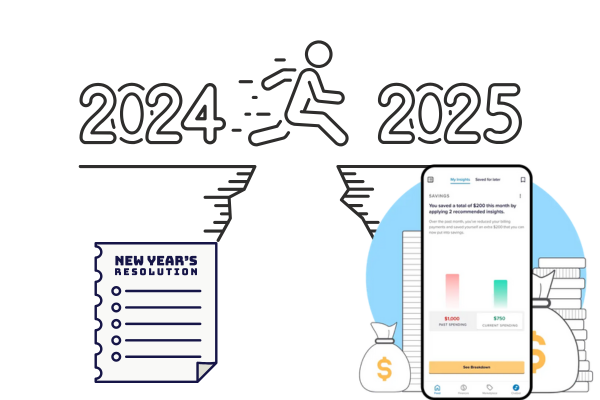
Kickstart your financial success in 2026 with actionable goals that leverage cutting-edge tools like the SuperMoney app. Our AI-powered solution makes budgeting, saving, and debt management a breeze, helping you build wealth and financial confidence.
How to Switch Bank Accounts (Without the Hassle) and Earn a Fat Signup Bonus
Published 12/31/2024 by SuperMoney Team
Switching banks can feel like a hassle, but it doesn’t have to be. Many people stick with their accounts for years, even decades, because they believe switching is too difficult—and banks count on this. However, new banks are often willing to reward you generously for switching. Here’s how to make the process simple and take advantage of better perks.

6 Credit Trends from 2024: Why They Matter and What They Teach Us for a Smarter 2025
Published 12/31/2024 by SuperMoney Team
Credit products are essential financial tools, but what Americans choose and how they use them vary widely based on income and necessity. From credit cards to mortgages and alternative financing like buy now, pay later (BNPL), this article explores the most popular credit products, their usage trends, and what consumers need to know to maximize their benefits while avoiding pitfalls.
Didn’t Get a Stimulus Check? You May Get Up to $1,400 From the IRS
Published 12/24/2024 by SuperMoney Team
The IRS is issuing stimulus payments of up to $1,400 to nearly one million taxpayers who missed out on the 2021 Recovery Rebate Credit. Learn how to check your eligibility, claim your payment, and explore other tax relief programs.
How to Remove Collections from Your Credit Report
Published 12/12/2024 by SuperMoney Team
Having a collection account on your credit report can significantly impact your credit score and financial well-being. Thankfully, there are ways to remove collections from your credit report legally and effectively. This guide will walk you through the steps to remove collections from your credit report, including writing a goodwill deletion letter, disputing inaccuracies, and negotiating pay-for-delete agreements. By the end of this article, you’ll have a clear strategy to improve your credit score.

Can the IRS Track Crypto? It Can Now – Here’s How
Published 12/09/2024 by SuperMoney Team
Curious whether the IRS can track your cryptocurrency activity? The answer is a resounding yes. This article explores how the IRS tracks crypto transactions, which exchanges report to the IRS, and what you need to know about staying compliant.

Crypto’s Coming of Age: IRS Secures First Tax Evasion Conviction
Published 12/09/2024 by SuperMoney Team
Cryptocurrency’s coming-of-age moment has arrived, with the IRS securing its first guilty plea for crypto tax evasion.
Don’t Fall For These Fake IRS Emails & Scams: Protect Your Personal Data This Holiday Season
Published 12/03/2024 by SuperMoney Team
The holidays are here, and so are the scammers. As gift lists grow and inboxes fill with deals, cybercriminals are lying in wait, ready to pounce on the unwary. The IRS, teaming up with its Security Summit partners, is urging taxpayers to stay alert this season to avoid becoming the next victim. From phishing emails that mimic delivery notifications to fake IRS messages, scams are becoming more cunning. Protect your personal and financial information with these crucial tips and keep identity thieves at bay.