Andrew Latham
Andrew is the Content Director for SuperMoney, a Certified Financial Planner®, and a Certified Personal Finance Counselor. He loves to geek out on financial data and translate it into actionable insights everyone can understand. His work is often cited by major publications and institutions, such as Forbes, U.S. News, Fox Business, SFGate, Realtor, Deloitte, and Business Insider.
articles from Andrew
1346 posts
Cash-Out Refinance for Education Expenses: Paying for College Without Student Loans (2025)
Published 10/09/2025 by Andrew Latham
Using a cash-out refinance to pay for college can be a strategic way to tap home equity at potentially lower interest rates than private student loans. However, turning unsecured education debt into secured mortgage debt raises risks — especially if home values drop or repayment terms stretch too long.

How Long Does a Cash-Out Refinance Take? Timeline, Delays & Speed-Up Tips
Published 10/08/2025 by Andrew Latham
Most cash-out refinances close in about 30–45 days, depending on your documentation, appraisal timing, lender capacity, and property type. Primary-residence refis also include a 3-business-day right of rescission before funds are released. You can often speed things up by getting pre-approved, uploading complete docs on day one, and choosing a lender with digital processing and appraisal capacity in your area.

Best Alternatives in 2026 to a Cash-Out Refinance: HEL, HELOC, HEI & More
Published 10/08/2025 by Andrew Latham
Cash-out refinancing isn’t the only way to tap home equity. Depending on your goals, a home equity loan (HEL), HELOC, home equity agreement (HEA), rate-and-term refinance, or even a personal loan may be cheaper or more flexible. This guide compares the top alternatives—how they work, typical costs, pros and cons, and when each one is the smarter move.

Cash-Out vs Rate-and-Term Refinance: Key Differences, Costs & When to Choose Each
Published 10/08/2025 by Andrew Latham
A cash-out refinance increases your mortgage balance to give you cash, while a rate-and-term refinance replaces your loan to lower your rate, change the term, or both—without taking cash. Cash-out is best for large, purposeful funding needs (renovations, consolidations) when total-cost math still works. Rate-and-term is best for reducing interest cost and paying off your home faster.

Cash-Out Refinance for Investment Property: Rules, Limits, and Smarter Alternatives
Published 10/08/2025 by Andrew Latham
A cash-out refinance on a rental property lets you tap equity for upgrades, acquisitions, or reserves—but investor loans usually come with lower LTV limits, higher rates, and stricter reserve requirements than a primary-home refi. This guide covers common eligibility rules, how to calculate your max cash-out, investor-specific risks, and smart alternatives to compare.

Legal Risks of a Cash-Out Refinance: Foreclosure, Deficiency & How to Protect Yourself
Published 10/08/2025 by Andrew Latham
A cash-out refinance increases your mortgage balance and can raise your monthly payment—both of which heighten foreclosure risk if your finances change. If you default, you could face foreclosure and, in some jurisdictions, a deficiency judgment for any unpaid balance after the sale. This guide explains how default and foreclosure work at a high level, the liability issues to watch, and concrete steps to protect yourself before you refinance.

IRS Rules on Cash-Out Refinance Interest Deductions (2026 Guide)
Published 10/08/2025 by Andrew Latham
Mortgage interest from a cash-out refinance is generally tax-deductible only if the funds are used to buy, build, or substantially improve the home that secures the loan. Interest tied to personal spending, debt consolidation, or investing typically is not deductible. Deductibility is also subject to mortgage debt limits and itemizing rules. This guide explains the IRS definitions, limits, and examples so you can avoid common mistakes.

Pros and Cons of a Cash-Out Refinance: Is It Worth It in 2026?
Published 10/08/2025 by Andrew Latham
A cash-out refinance replaces your current mortgage with a larger one and gives you the difference in cash. It can lower your APR compared to credit cards or personal loans and simplify payments, but closing costs, a new (possibly higher) rate, and a longer payoff horizon can erase savings. This guide shows when the pros outweigh the cons, how to calculate break-even, and which alternatives to consider.

Cash-Out Refinance for Home Improvements: Costs, Tax Rules & Alternatives (2026)
Published 10/08/2025 by Andrew Latham
A cash-out refinance can fund major home improvements with one fixed-rate payment. It works best for large, defined projects when you have enough equity and plan to stay in the home long enough to offset closing costs. Before you apply, compare your cash-out offer to a home equity loan or HELOC and review potential tax benefits for qualifying improvements.
Cash-Out Refinance for Debt Consolidation: Rules, Risks, and Smart Alternatives 2026
Published 10/08/2025 by Andrew Latham
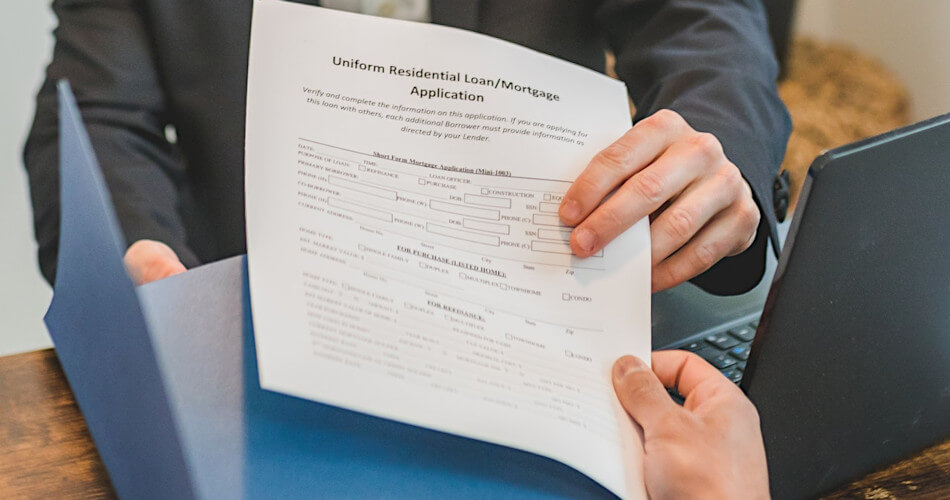
A cash-out refinance can roll high-interest debts into a single mortgage payment at a potentially lower rate. It can save money if you keep a shorter payoff horizon and avoid re-borrowing. But closing costs, resetting your term, and converting unsecured debt into secured debt (your home) can backfire if you’re not careful. This guide shows when it makes sense, how to run the math, and the best alternatives to compare.