

Andrew Latham
Andrew is the Content Director for SuperMoney, a Certified Financial Planner®, and a Certified Personal Finance Counselor. He loves to geek out on financial data and translate it into actionable insights everyone can understand. His work is often cited by major publications and institutions, such as Forbes, U.S. News, Fox Business, SFGate, Realtor, Deloitte, and Business Insider.
articles from Andrew
1346 posts
IRS Forgiveness Programs Explained: Options to Reduce or Eliminate Tax Debt
Published 08/29/2025 by Andrew Latham
IRS forgiveness programs include the Offer in Compromise, Currently Not Collectible (CNC) status, Fresh Start, Penalty Abatement, and Innocent Spouse Relief. Each program has strict eligibility rules, but all are designed to reduce, pause, or restructure what you owe when paying in full would cause financial hardship.

How to Spot Tax Relief Scams: Red Flags and Safer Alternatives
Published 08/29/2025 by Andrew Latham
The tax relief industry includes reputable firms—and scammers. Learn the biggest red flags, how legitimate help works, and safer alternatives, including DIY IRS options and vetted providers.

Currently Not Collectible vs Offer in Compromise: What’s the Difference?
Published 08/29/2025 by Andrew Latham
Currently Not Collectible (CNC) status pauses IRS collections when you can’t pay, while an Offer in Compromise (OIC) allows you to settle your debt for less than you owe. Eligibility, costs, and outcomes vary widely, so understanding the differences is key to choosing the right option.

Tax Debt Relief vs Bankruptcy: Which Is Right for You?
Published 08/29/2025 by Andrew Latham
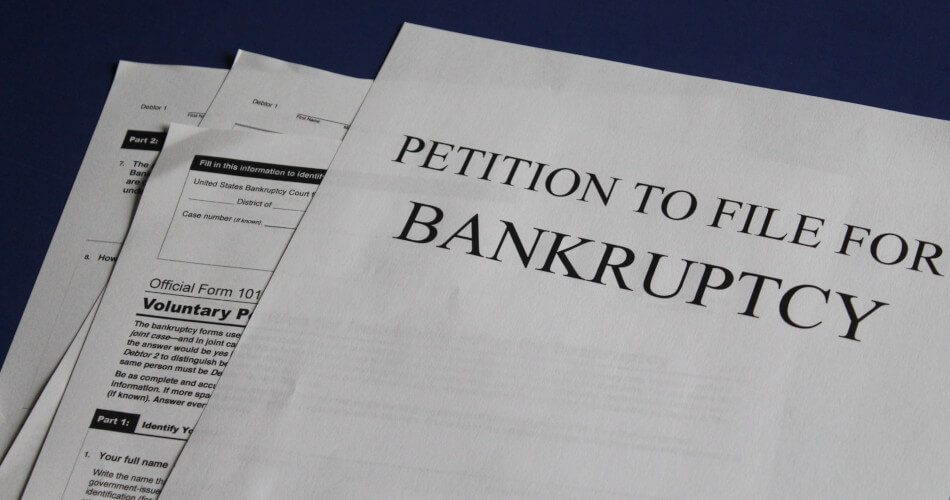
Not sure whether to pursue IRS tax relief programs or file bankruptcy? Tax relief can reduce, pause, or restructure your debt with less credit damage, while bankruptcy may eliminate some debts but leaves a severe, long-lasting impact on credit. Compare eligibility, costs, timelines, and outcomes to choose the right path for your situation.
Do Tax Relief Companies Really Work? Pros, Cons, and Red Flags to Watch For
Published 08/29/2025 by Andrew Latham
Tax relief companies claim to help taxpayers reduce IRS debt through negotiation, settlements, or payment plans. While some companies provide real value, others overpromise and charge high fees. Learn how tax relief firms operate, when hiring one makes sense, and how to spot red flags before committing.

The 5-Year Rule for Buying a Home: When Buying Beats Renting
Published 08/27/2025 by Andrew Latham
The 5-year rule says buying a home usually makes more sense if you plan to stay at least five years. That window lets you spread closing and selling costs, build equity through principal payments, and benefit from potential appreciation. Depending on rates, fees, and local prices, your break-even can be 3–7 years.

30% Rent Rule: How Much Rent Can You Afford?
Published 08/27/2025 by Andrew Latham
The 30% rent rule says your total housing costs (rent plus essential utilities and renter’s insurance) should be about 30% of your gross monthly income. Example: if you earn $5,000/month before taxes, aim to keep monthly housing costs near $1,500.

The 3% Home Improvement Rule: How Much to Budget for Home Maintenance and Repairs
Published 08/27/2025 by Andrew Latham
The 3% home improvement (maintenance) rule says you should set aside about 1%–3% of your home’s value per year for maintenance and repairs. Newer homes often land near 1%, mid-age homes near 2%, and older homes or harsh climates closer to 3%. Example: on a $400,000 home, that’s $4,000–$12,000 per year.

The 30-Day Rule: A Simple Trick to Stop Impulse Spending
Published 08/27/2025 by Andrew Latham
Quick Answer: The 30-day rule is a budgeting strategy that helps curb impulse spending. For any non-essential purchase over a set threshold (for example, $100), write it down and wait 30 days. If you still want it and it fits your budget after the waiting period, buy it. If not, you’ve just saved money and avoided regret.

The Market Myth That Won’t Die: What the Benner Cycle Really Tells Us
Published 08/26/2025 by Andrew Latham
A mysterious cycle first charted in 1875 claimed to forecast market panics, peaks, and troughs—but don’t be fooled. The Benner Cycle, with its repeating patterns and lunar theories, is more folklore than financial tool. Still, it’s a compelling reminder that markets move in phases, and as a wise investor, you stay calm when others panic—and cautious when others are riding highs.
