
Best Cities To Live In Tennessee

Last updated 07/15/2025 by
Miriam Belen-Rodriguez
Edited by
Rachel Whitener
Fact checked by
Rachel Whitener
Summary:
Tennessee, a state celebrated for its natural beauty and cultural richness, offers a unique living experience; this article explores some of the best cities to live in Tennessee, with a special focus on Memphis, Chattanooga, and Columbia, each offering a distinct charm and lifestyle.
Tennessee, a state where natural splendor and cultural richness converge, offers a unique living experience. It is adorned with the scenic beauty of the Appalachian Mountains and the Mississippi River’s grandeur, creating a picturesque setting for residents and visitors alike.
Get Competing Personal Loan Offers In Minutes
Compare rates from multiple vetted lenders. Discover your lowest eligible rate.
It's quick, free and won’t hurt your credit score
Best cities to live in Tennessee
Memphis

Founded in 1819, Memphis has grown from a historic river town to a vibrant center of music and culture. As the birthplace of blues, soul, and rock ‘n’ roll, its deep musical heritage resonates through streets lined with landmarks like Graceland and the Stax Museum of American Soul Music.
Memphis snapshot
| Aspect | Details |
|---|---|
| Average Home Price | $186,833 |
| Cost of Living | 91.842 Regional Price Parity (RPP for the US is 100, lower = lower than average, higher = higher than average) |
| Crime | 98 per 1,000 residents. (Average crime rate in the US is 23.48 per 1,0000 residents (FBI, US Census)) |
| Weather | Memphis experiences a humid subtropical climate characterized by hot, humid summers and mild to chilly winters. Precipitation is fairly distributed throughout the year, with occasional snowfall in winter. |
Memphis healthcare
Memphis, Tennessee, is home to some of the region’s leading healthcare facilities, with Baptist Memorial Hospital-Memphis standing out as the best hospital in the city and the second-best in the state for 2023. This hospital is recognized for its high-quality patient care, advanced medical treatments, and commitment to healthcare innovation.
| Category | Details |
|---|---|
| Top Hospital | Baptist Memorial Hospital-Memphis is recognized for its exceptional care and ranking as the second-best hospital in Tennessee. |
| Healthcare Contributions | Noted for its high-quality patient care, advanced treatments, and commitment to medical innovation. |
Memphis walkability
Memphis, Tennessee, offers a unique walking experience, albeit with a different scale of walkability compared to other cities. The walkability can vary greatly depending on the neighborhood, with some areas offering more pedestrian-friendly environments than others.
| Category | Details |
|---|---|
| Overall Walkability | Memphis has a city-wide Walk Score of 35, indicating most errands require a car. |
| Highly Walkable Areas | The most walkable neighborhoods in Memphis include East Midtown (Walk Score 77), Barry F. Homes (Walk Score 74), and Annesdale Park (Walk Score 74). |
| Neighborhood Variability | Walkability in Memphis varies significantly by neighborhood, reflecting a diverse urban layout. |
| City Ranking | Memphis is recognized for some highly walkable neighborhoods, despite its overall car-dependent nature. |
Memphis education
The education system in Memphis, TN, encompasses a range of public schools with varying levels of academic achievement.
| Category | Details |
|---|---|
| Top Public Schools | Leading schools include Campus School (Math: 55-59%, Reading: 70-74%), Richland Elementary School (Math: 57%, Reading: 51%), and Bon Lin Elementary School (Math: 56%, Reading: 46%). |
| Memphis School District Rankings | Memphis public schools show a range of academic performances, with a city-wide average math proficiency of 10% and reading proficiency of 15%. |
| School Diversity | Memphis public schools have a minority enrollment of 91%, mostly Black, reflecting a diverse student body. |
| Overall Educational Environment | The city’s education system varies in school performance, with a focus on diverse educational experiences and a commitment to improving educational resources. |
Memphis jobs and economy
Memphis, Tennessee’s economy shows resilience and diversity across various sectors. Contributions from key industries such as trade, transportation, utilities, education, health services, and leisure and hospitality characterize the city’s job market.
| Category | Details |
|---|---|
| Job Market Growth | Memphis displays steady job market growth, with sectors like trade, transportation, and utilities contributing significantly. |
| Average Annual Salary | The average annual salary in Memphis is $56,440. |
| Employment Trends | The employment trends show resilience, with key sectors driving growth and diversification in the job market. |
| Work Culture | Memphis’ work culture is varied, influenced by its diverse economy, including sectors like education, health services, and leisure. |
| Labor Laws and Minimum Wage | Tennessee’s state minimum wage aligns with the federal minimum wage, impacting the local labor market. |
| Commuting and Remote Work | Memphis supports various commuting methods and has adapted to contemporary trends like remote work. |
| Housing and Living Costs | The city’s housing market and living costs vary, offering a range of options for residents and workers. |
| Population and Lifestyle | Memphis’s diverse demographic contributes to a dynamic culture, influencing the lifestyle and economic environment. |
| Overall Economic Outlook | The economic outlook for Memphis is positive, driven by growth in key sectors and a diverse industrial base. |
Best areas and suburbs of Memphis
Memphis, Tennessee, offers a diverse range of suburbs and neighborhoods, each with its unique characteristics and amenities.
| Suburb/Neighborhood | Description |
|---|---|
| Germantown | A suburban gem known for its excellent schools, upscale living, and family-friendly atmosphere. |
| Collierville | Offers a small-town feel with historic charm, top-rated schools, and a strong sense of community. |
| Cordova | A diverse neighborhood with convenient amenities, shopping, and dining options. |
| Arlington | A peaceful suburb with a tight-knit community and a focus on quality of life. |
Chattanooga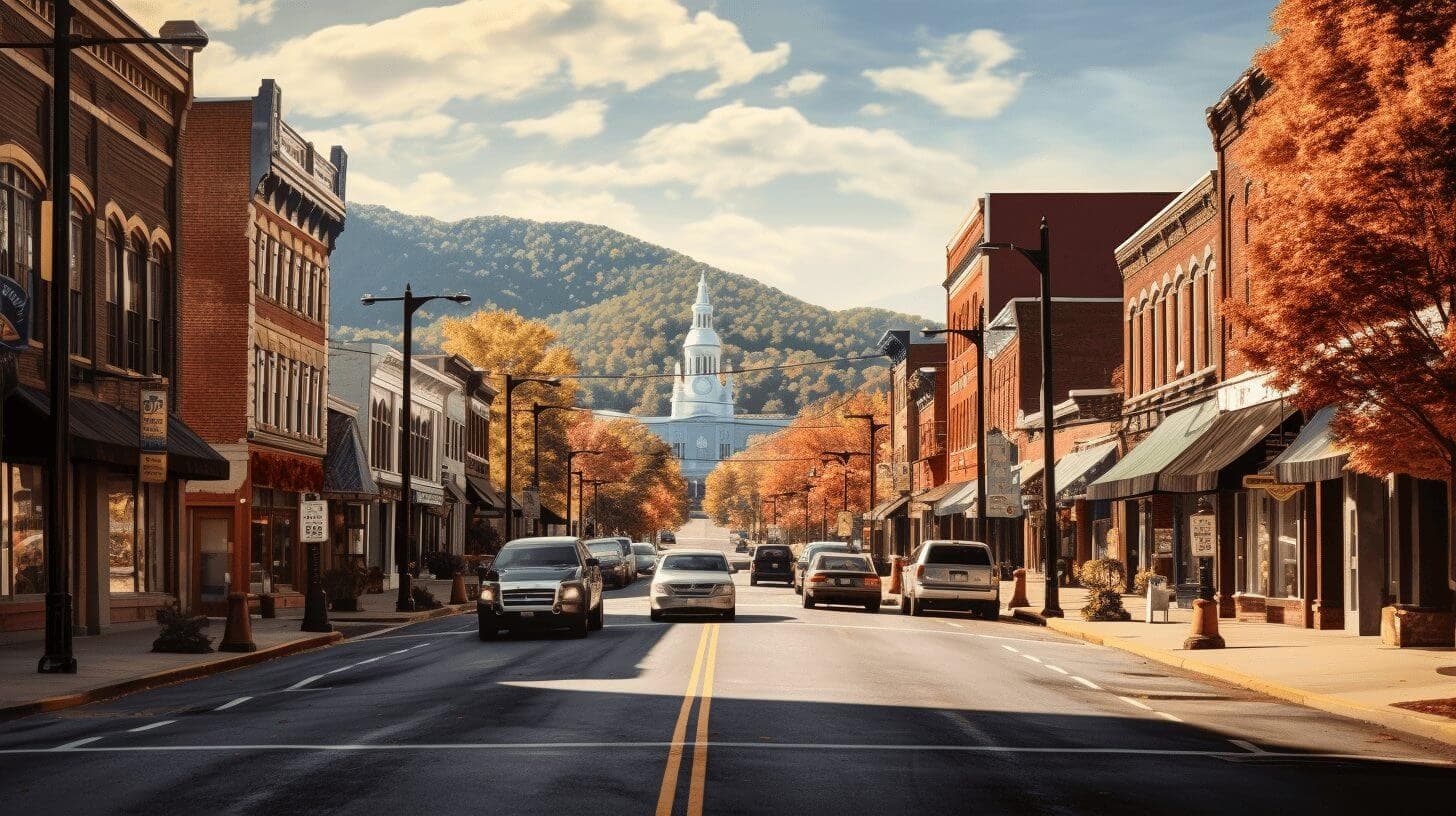
Chattanooga, Tennessee, boasts a storied history and a vibrant present. Nestled along the Tennessee River, Chattanooga’s roots trace back to its importance as a strategic railway hub during the Civil War. The city’s scenic beauty, with the surrounding Appalachian Mountains, has earned it the nickname “Scenic City.” Chattanooga snapshot
| Aspect | Details |
|---|---|
| Average Home Price | $368,017 |
| Cost of Living | 92.528 Regional Price Parity (RPP for the US is 100, lower = lower than average, higher = higher than average) |
| Crime | 63 71 incidents per 1,000 residents (Average crime rate in the US is 23.48 per 1,000 residents (FBI, US Census)) |
| Weather | Chattanooga experiences a humid subtropical climate with hot summers and mild to cool winters. |
Chattanooga healthcare
Chattanooga boasts a robust healthcare landscape, home to several award-winning healthcare systems. The city’s healthcare system is led by Erlanger Health System, CHI Memorial, and Parkridge Health System, which provide a wide range of comprehensive care and employ advanced technology at multiple regional locations.
| Category | Details |
|---|---|
| Main Healthcare Systems | Erlanger Health System, CHI Memorial, and Parkridge Health System. |
| Specializations | Level I adult trauma center, Level IV neonatal intensive care unit, cardiovascular surgery, cancer treatment, intensive care, and more. |
Chattanooga walkability
Chattanooga offers a mix of urban convenience and scenic beauty, making it appealing for those who prefer walking. The city is known for its pedestrian-friendly downtown area. Walkability can vary by neighborhood, with the downtown area being particularly pedestrian-friendly.
| Category | Details |
|---|---|
| Overall Walkability | Chatanooga has an overall walk score of 86 and a bike score of 96. |
| Highly Walkable Areas | Downtown Chattanooga is particularly walkable, offering easy access to various amenities and attractions. |
| Neighborhood Variability | Walkability varies by neighborhood, with downtown being a highlight. |
Chattanooga education
The Hamilton County Schools (HCS) system in Chattanooga offers a diverse range of educational options for students from Kindergarten through 12th grade. For the 2023-24 school year, HCS is providing over 80 school choices, including Early College/Career Programs, Magnet Schools, Charter Schools, and Open Enrollment Schools.
| Category | Details |
|---|---|
| School Choice Options | Hamilton County Schools offers over 80 school choices, including specialized and magnet programs. |
| Educational Diversity | ‘Choose Hamilton: School Choice’ program provides diverse educational options for students. |
Chattanooga jobs and economy
Chattanooga’s job market and economy have shown promising signs. The city’s labor force and employment levels have been stable, with consistent growth in various sectors. The nonfarm employment rate has seen a year-over-year increase, indicating a robust job market.
| Category | Details |
|---|---|
| Job Market Growth | Positive year-over-year growth in nonfarm employment. |
| Key Sectors | Manufacturing, trade, transportation, utilities, leisure, and hospitality. |
| Average Annual Salary | The average annual salary in Chattanooga is $54,665. |
| Economic Diversity | Chattanooga’s economy is diversified across several sectors, contributing to its growth and stability. |
Columbia

Columbia, Tennessee, fondly known as “The Mule Capital of the World,” boasts a rich history rooted in agriculture and Southern culture. Established in 1808, this charming city played a pivotal role during the Civil War and is renowned for its well-preserved antebellum architecture. The James K. Polk Home, a prime historical site, adds to its historical significance.
Columbia snapshot
Share this post:
Add as a preferred source on Google
Table of Contents