Andrew Latham
Andrew is the Content Director for SuperMoney, a Certified Financial Planner®, and a Certified Personal Finance Counselor. He loves to geek out on financial data and translate it into actionable insights everyone can understand. His work is often cited by major publications and institutions, such as Forbes, U.S. News, Fox Business, SFGate, Realtor, Deloitte, and Business Insider.
articles from Andrew
1346 posts
FHA Loan Process Step-by-Step: From Preapproval to Closing
Published 10/15/2025 by Andrew Latham
The FHA loan process typically runs from preapproval to closing in 30–60 days. You’ll verify income and assets, complete an FHA appraisal, clear underwriting conditions, and pay closing costs (including FHA mortgage insurance). Knowing the steps—and which documents to prepare—helps you avoid delays and lock in a smoother, faster closing.

Why Gen Z is Skipping Homeownership — and Investing in Stocks Instead
Published 10/14/2025 by Andrew Latham
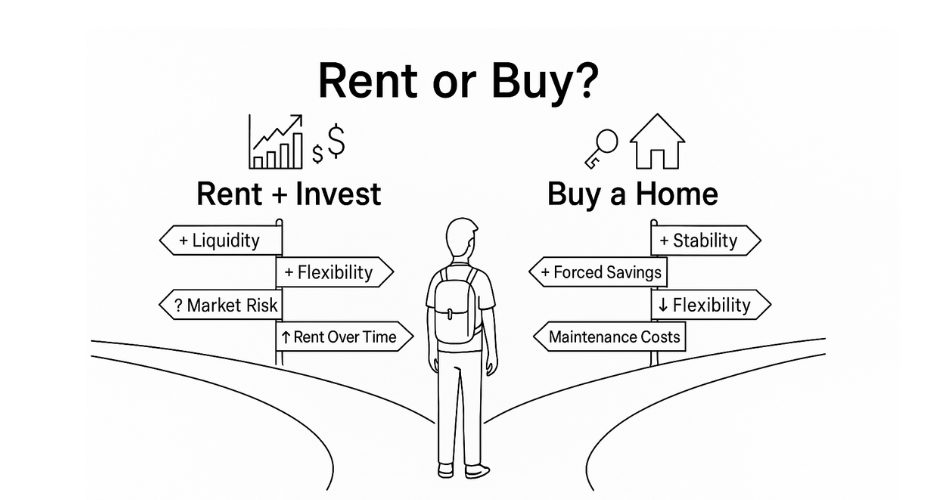
Younger generations are rethinking the American dream of homeownership. Faced with high property prices, elevated mortgage rates, and a booming stock market, many Gen Z and millennials are choosing to rent and invest instead of buying a home. This shift has broad implications for wealth-building, real estate markets, and generational equity.
FHA Loan Income and Employment Requirements: What You Need to Qualify
Published 10/14/2025 by Andrew Latham
FHA loans offer flexible credit and down payment rules, but borrowers must still prove stable income and employment. Most lenders require a two-year work history and a debt-to-income (DTI) ratio below 43%. Consistent earnings—whether from salary, self-employment, or benefits—are key to qualifying.

FHA Loan Requirements Made Simple: Credit Score & Down Payment Tips
Published 10/14/2025 by Andrew Latham
FHA loans allow credit scores as low as 500 and down payments as low as 3.5%, depending on your financial profile. The more you put down, the more you’ll save on insurance and interest. Understanding these thresholds helps you plan your path to homeownership with confidence.

FHA Loan Closing Costs and Fees: What You’ll Pay and How to Save
Published 10/14/2025 by Andrew Latham
FHA loan closing costs typically range from 2% to 6% of your loan amount and include lender fees, appraisal, insurance premiums, and taxes. The good news? FHA rules allow sellers, lenders, or gift funds to cover some or all of these costs—making it easier to close with less money out of pocket.

FHA Loan Limits by County 2026: How Much You Can Borrow
Published 10/14/2025 by Andrew Latham
FHA loan limits define the maximum amount you can borrow under the Federal Housing Administration’s mortgage program. These limits vary by county and property type, reflecting local housing costs. For 2025, the baseline limit for a single-family home is expected to rise in most areas due to higher median home prices.

FHA Streamline Refinance: What It Is, How It Works, and When It Makes Sense
Published 10/14/2025 by Andrew Latham
An FHA streamline refinance lets current FHA borrowers lower their interest rate and monthly payment with less documentation—often without a new appraisal. There’s no cash-out allowed, and you must meet seasoning, payment history, and “net tangible benefit” tests. For many homeowners, it’s the fastest path to a cheaper FHA mortgage.

What Is an FHA Loan and How Does It Work
Published 10/14/2025 by Andrew Latham
FHA loans are government-backed mortgages designed to help low- to moderate-income buyers qualify for homeownership. With flexible credit requirements and low down payments—as little as 3.5%—FHA loans make buying a home more accessible, especially for first-time buyers.

How to Repay a Reverse Mortgage and Exit Without Losing Your Home
Published 10/14/2025 by Andrew Latham
A reverse mortgage must eventually be repaid—but you have flexible options. Homeowners or heirs can repay the loan by selling the home, refinancing, or using personal funds. The balance is never more than the home’s value, and planning ahead helps you avoid foreclosure or rushed decisions when the loan becomes due.

Reverse Mortgage for Seniors with an Existing Mortgage: Can You Still Qualify?
Published 10/14/2025 by Andrew Latham
You can qualify for a reverse mortgage even if you still owe money on your home. The key is having enough equity—typically 50% or more—to pay off your existing loan at closing. Understanding how lenders evaluate your current balance, home value, and financial stability helps you plan ahead and make a confident decision.