
Best Cities To Live In Missouri

Last updated 03/07/2024 by
Miriam Belen-Rodriguez
Edited by
Rachel Whitener
Fact checked by
Andrew Latham
Summary:
This article explores the vibrant cities of St. Louis, Springfield, and Columbia, Missouri, highlighting their unique characteristics and livability. It covers various aspects such as housing, healthcare, walkability, education, and the job market, showcasing each city’s strengths and appeal.
Living in Missouri offers a unique combination of historical richness, cultural variety, thriving economic prospects, and diverse demographics. As a state with a significant role in the westward expansion of the United States, Missouri is a tapestry of frontier history, agricultural roots, and modern innovation. It’s a place where the spirit of the pioneering past melds with contemporary advancements in technology and education, creating an environment that is steeped in tradition yet dynamically forward-looking.
Get Competing Personal Loan Offers In Minutes
Compare rates from multiple vetted lenders. Discover your lowest eligible rate.
It's quick, free and won’t hurt your credit score
Best cities to live in Missouri
St. Louis

Founded in 1764 as a French fur trading post, St. Louis, Missouri, was named after Louis IX of France. This historic city, known as the “Gateway to the West,” is renowned for its iconic Gateway Arch, symbolizing the westward expansion of the United States. St. Louis blends its rich history with modern innovation and culture, making it a vibrant and diverse place to live and visit.
St. Louis snapshot
| Aspect | Details |
|---|---|
| Average Home Price | $190,933 |
| Cost of Living | 96.671 Regional Price Parity (RPP for the US is 100, lower = lower than average, higher = higher than average) |
| Crime | 87 incidents per 1,000 residents. (Average crime rate in US is 23.48 per 1,000 residents (FBI, US Census)) |
| Weather | St. Louis experiences a humid continental climate with hot, humid summers and cold winters. The city enjoys four distinct seasons, with a notable amount of rainfall and occasional snowfall in winter. |
St. Louis healthcare
Despite Missouri’s varied healthcare landscape, St. Louis stands out with its highly-ranked hospitals and medical facilities.
| Category | Details |
|---|---|
| St. Louis Hospitals | St. Louis is home to several top-ranked hospitals. Barnes-Jewish Hospital, for instance, is nationally ranked in 11 adult specialties and is on the Best Hospitals Honor Roll, according to U.S. News & World Report. |
| Other Notable Hospitals | Other hospitals in St. Louis, such as Missouri Baptist Medical Center, Mercy Hospital St. Louis, and St. Luke’s Hospital-Chesterfield, also receive high rankings and are recognized for their quality of care and medical expertise. |
St. Louis walkability
St. Louis offers a diverse landscape in terms of walkability, with an average Walk Score that reflects a balance between pedestrian-friendly areas and those requiring transportation.
| Category | Details |
|---|---|
| Overall Walkability | St. Louis has an average Walk Score of 66, indicating a moderate level of walkability where some errands can be accomplished on foot. |
| Highly Walkable Areas | Certain neighborhoods in St. Louis are highly walkable. For example, Downtown St. Louis has a Walk Score of 87, making it a ‘Walker’s Paradise’ where most errands do not require a car. |
| Neighborhood Variability | Walkability in St. Louis varies significantly by neighborhood. Some areas, like the Cherokee-Lemp district and Soulard, have high Walk Scores of around 82, indicating excellent walkability. |
| City Ranking | St. Louis is recognized for its walkability, with several neighborhoods ranking high on the Walk Score index, reflecting the city’s commitment to pedestrian-friendly urban planning. |
St. Louis education
St. Louis’s education system is characterized by a mix of high-ranking school districts and top-performing public schools, offering a robust educational environment within the broader context of Missouri’s education system.
| Category | Details |
|---|---|
| St. Louis Area School Districts | In the St. Louis metro area, several school districts are highly ranked. Notable among them are the Ladue School District and the School District of Clayton, known for their academic excellence. |
| High Schools in St. Louis | U.S. News & World Report lists several best high schools in the St. Louis area, including Metro Academic and Classical High School and Collegiate School Of Medicine and Bioscience, highlighting their strong academic performance. |
| Public School Performance | Missouri’s public schools have diverse rankings, with some districts in St. Louis demonstrating high performance and others facing challenges, reflecting the variability in the state’s broader education system. |
| Top Public Schools in St. Louis | Specific schools in St. Louis, such as Metro Academic and Classical High School and Collegiate School Of Medicine and Bioscience, are highly ranked for their performance, contributing to the city’s strong educational reputation. |
St. Louis jobs and economy
St. Louis’s economy is dynamic, characterized by a growing job market, competitive salaries, and positive future job growth projections, making it an important economic player in the region.
| Category | Details |
|---|---|
| Job Market Growth | The St. Louis, MO-IL metropolitan area has experienced growth in nonfarm employment, indicating a strengthening job market. |
| Average Annual Salary | The average annual salary in St. Louis is $69,698. |
| Future Job Growth | Future job growth in the St. Louis metropolitan area is projected to be 7.30% between 2020 and 2030, slightly above the national average projection of 7.19%. |
| Recent Trends | While the St. Louis job market is growing, it is important to monitor the trends for any signs of slowing down. The area’s unemployment rate and other economic indicators should be considered for a comprehensive understanding. |
| Attractiveness to New Residents | The robust job market in St. Louis contributes to its appeal to new residents, balancing economic opportunities with the cost of living and quality of life. |
| Overall Economic Strength | St. Louis’s economy is notable for its diversity and resilience, with significant contributions to the regional and national economy. |
Best areas and suburbs of St. Louis
St. Louis boasts a variety of suburbs, each offering unique characteristics and amenities that cater to different lifestyles and preferences.
| Suburb | Description |
|---|---|
| Clayton | Known for its blend of urban and suburban living, Clayton offers a bustling business district, high-end dining options, and top-rated schools. |
| Kirkwood | Offers a charming, historic downtown area, a community-oriented atmosphere, and well-regarded public schools. |
| Chesterfield | Popular for its spacious parks, extensive shopping areas, and highly-rated public schools, it is ideal for families. |
| Webster Groves | Boasts a small-town feel with its historic homes, vibrant arts scene, and strong community engagement. |
| Ballwin | Known for its family-friendly environment, recreational facilities, and being one of the safest cities in Missouri. |
| University City | Offers a diverse and vibrant community, proximity to Washington University, and a mix of cultural and recreational amenities. |
Pro Tip
“When considering the best cities to live and relocate to, there are several key factors that come into play. First, a desirable city should offer a high quality of life. This includes access to cultural services, recreational opportunities and local attractions. Whether it’s museums, parks, or a vibrant nightlife, these aspects contribute greatly to the overall experience of living in a city.
Employment prospects and industries also play a crucial role in choosing a place to relocate. It is important to consider the job market and growth potential of a particular city. It is essential to be aware of the possible drawbacks associated with living in certain cities. These can range from high costs of living to traffic congestion. However, with proper planning and research, residents and newcomers can address these challenges effectively”. – Ayman Dandashi, ambassador for Homegrown Cannabis Co
Springfield
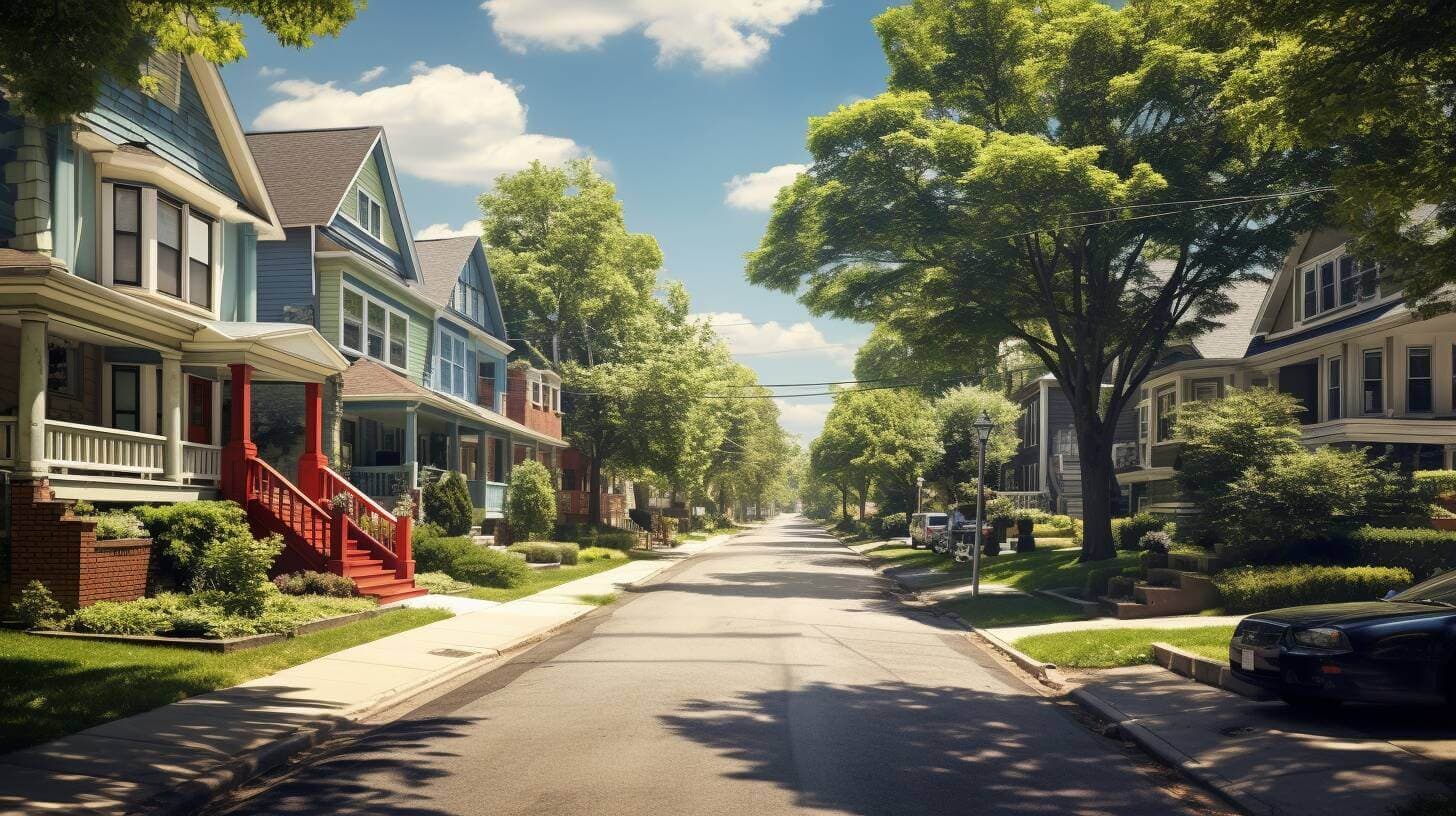
Founded in 1838, Springfield, Missouri, is known as the “Queen City of the Ozarks” and is renowned for its role in the American Civil War, among other historical events. This vibrant city combines its rich history with a forward-looking perspective, offering a high quality of life, diverse cultural experiences, and access to the beautiful Ozark landscape.
Springfield snapshot
| ASPECT | DETAILS |
|---|---|
| Average Home Price | $235,633 |
| Cost of Living | 86.888 Regional Price Parity (RPP for the US is 100, lower = lower than average, higher = higher than average) |
| Crime Rate | 63 incidents per 1,000 residents (Average crime rate in the US is 23.48 per 1,000 residents (FBI, US Census)) |
| Weather | Springfield experiences a humid continental climate, with hot, humid summers and cold, dry winters, offering a diverse range of weather throughout the year. |
Springfield healthcare
Springfield, despite the challenges in healthcare rankings in Missouri statewide, is home to several highly regarded hospitals and medical facilities.
| CATEGORY | DETAILS |
|---|---|
| Springfield Hospitals | Mercy Hospital Springfield is a leading healthcare provider in the region, offering comprehensive services and recognized for its excellence in various specialties. It serves as a key medical facility for southwest Missouri and Northwest Arkansas. |
| Other Notable Hospitals | CoxHealth Springfield is another major hospital in Springfield, providing a wide range of healthcare services and known for its commitment to quality care and patient satisfaction. |
Springfield walkability
Springfield, Missouri, presents a varied landscape in terms of walkability, with certain areas offering more pedestrian-friendly environments than others.
| CATEGORY | DETAILS |
|---|---|
| Overall Walkability | Springfield has an average Walk Score of 39, indicating that the city is mostly car-dependent, with some areas offering limited walkability. |
| Highly Walkable Areas | Downtown Springfield stands out with a Walk Score of 77, making it a ‘Walker’s Paradise’ where most errands can be accomplished on foot. |
| Neighborhood Variability | Walkability in Springfield varies significantly by neighborhood. Some areas, like those near Downtown, offer higher Walk Scores, indicating better walkability. |
| City Ranking | While Springfield may not rank as highly as some cities in terms of overall walkability, certain neighborhoods demonstrate a commitment to pedestrian-friendly urban planning. |
Springfield education
Springfield, Missouri’s education system is marked by a variety of high-performing schools and districts, reflecting a commitment to quality education within the community.
| CATEGORY | DETAILS |
|---|---|
| Springfield Area School Districts | The Springfield area is served by several school districts, with Nixa High School, Ozark High School, and Republic High School among the top-ranked in the region according to U.S. News & World Report. |
| High Schools in Springfield | Springfield Public Schools, such as Central High School, are recognized for their academic excellence, offering a wide range of Advanced Placement courses and extracurricular activities. |
| Public School Performance | While specific national rankings for Missouri’s public schools vary, Springfield’s schools strive for high performance, with several achieving notable success in state assessments and national rankings. |
| Top Public Schools in Springfield | Schools such as McBride Elementary School, Gray Elementary School, and Walt Disney Elementary School are highlighted for their outstanding academic achievements within the Springfield area. |
Springfield, Missouri jobs and economy
Springfield’s economy is characterized by steady job growth, competitive salaries, and positive future job growth projections, contributing to its status as a significant economic center in the region.
| CATEGORY | DETAILS |
|---|---|
| Job Market Growth | Springfield has experienced consistent job market growth, with significant contributions from sectors such as healthcare, education, and manufacturing. |
| Average Annual Salary | The average annual salary in Springfield is $49,533. |
| Future Job Growth | Future job growth over the next ten years in Springfield is predicted to be 28.7%, showcasing optimism for continued economic expansion. |
| Recent Trends | Springfield’s economy has shown resilience with a low unemployment rate, supported by a diverse economic base and strategic initiatives to foster job creation. |
| Attractiveness to New Residents | The robust job market and affordable cost of living in Springfield continue to attract new residents, contributing to the city’s growth and vibrancy. |
| Overall Economic Strength | With a diverse economy and strategic location, Springfield maintains a strong economic position, underpinned by steady job growth and a skilled workforce. |
Columbia
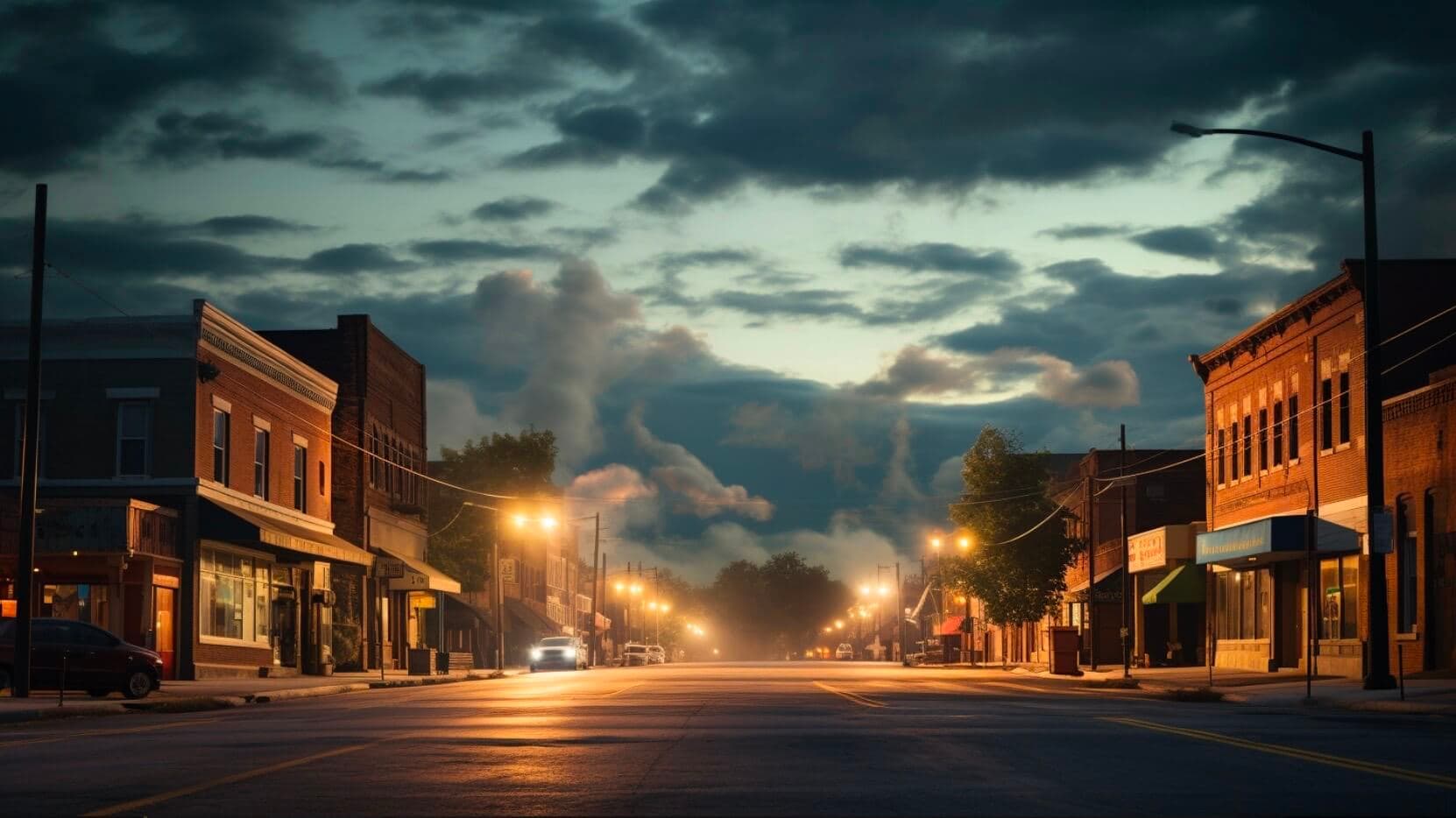
Founded in 1821, Columbia, Missouri, serves as a quintessential college town, home to the University of Missouri. Nestled midway between St. Louis and Kansas City, Columbia, affectionately known as “CoMo,” blends educational prestige with the charm of Midwestern hospitality. This vibrant city is celebrated for its rich cultural scene, extensive park system, and a strong commitment to education and healthcare, making it an attractive destination for students, professionals, and families alike.
Columbia snapshot
| ASPECT | DETAILS |
|---|---|
| Average Home Price | $341,467 |
| Cost of Living | 88.002 Regional Price Parity (RPP for the US is 100, lower = lower than average, higher = higher than average) |
| Crime | 33 incidents per 1,000 residents (Average crime rate in the US is 23.48 per 1,000 residents (FBI, US Census)) |
| Weather | Columbia experiences a variety of weather conditions, with recent forecasts indicating mostly clear skies followed by cloudy periods, and temperatures around 51°F. |
Columbia healthcare
Despite Missouri’s varied healthcare landscape, Columbia, Missouri, stands out with its highly ranked hospitals and medical centers.
| CATEGORY | DETAILS |
|---|---|
| Columbia Hospitals | Boone Hospital Center is recognized as the top hospital in mid-Missouri and ranks fourth best in the state according to U.S. News & World Report. |
| Other Notable Hospitals | University Hospital, part of the University of Missouri Health Care, provides comprehensive services and is a key healthcare provider in Columbia. |
Columbia walkability
Columbia, Missouri, offers a distinct walkability profile, with an overall average Walk Score that reflects the city’s layout and accessibility by foot.
| CATEGORY | DETAILS |
|---|---|
| Overall Walkability | Columbia has an average Walk Score of 30, suggesting that the city is car-dependent with limited errands that can be accomplished on foot. |
| Highly Walkable Areas | Certain areas in Columbia, like Downtown, offer higher Walk Scores, with Downtown Columbia boasting a Walk Score of 95, indicating a ‘Walker’s Paradise’ where daily errands do not require a car. |
| Neighborhood Variability | Walkability in Columbia varies significantly by neighborhood. For example, the University of Missouri area has a Walk Score of 62, making it moderately walkable. |
| City Ranking | While specific national rankings for walkability are not provided, Columbia’s diverse walkability scores across neighborhoods highlight the importance of location within the city for pedestrian accessibility. |
Columbia education
Columbia, Missouri’s education system is highlighted by its strong public schools and universities, reflecting a commitment to academic excellence within the community.
| CATEGORY | DETAILS |
|---|---|
| Columbia Area School Districts | Columbia Public Schools (CPS) is the primary school district serving the area, with several schools recognized for their academic performance. The district includes highly rated schools such as Mill Creek Elementary and Beulah Ralph Elementary. |
| High Schools in Columbia | U.S. News & World Report identifies top high schools in Columbia, with notable mentions including Rock Bridge High School and Hickman High School, emphasizing their graduation rates and college readiness programs. |
| Public School Performance | While specific national rankings for Missouri’s public schools vary, Columbia’s schools strive for excellence, with several achieving high marks in state assessments and national rankings. |
| Top Public Schools in Columbia | Schools such as Mill Creek Elementary and John Warner Middle School are highlighted for their outstanding academic achievements and contributions to the Columbia education landscape. |
Columbia jobs and economy
Columbia, Missouri’s economy is characterized by its educational institutions and healthcare sector, contributing to steady job growth and a competitive job market.
| CATEGORY | DETAILS |
|---|---|
| Job Market Growth | Recent data indicates a modest increase in employment, with a focus on education, healthcare, and retail sectors leading the job market expansion in Columbia. |
| Average Annual Salary | The average annual salary in Columbia is $54,618. |
| Future Job Growth | Future job growth over the next ten years in Columbia is predicted to be 26.8%, slightly lower than the US average but indicative of a growing economy. |
| Recent Trends | The job market in Columbia has shown resilience with a low unemployment rate, though challenges remain in matching job growth with workforce availability. |
| Attractiveness to New Residents | Columbia’s job market, coupled with its educational and healthcare institutions, continues to attract new residents, contributing to the city’s economic vitality. |
| Overall Economic Strength | With a diverse economy anchored by the University of Missouri and several healthcare facilities, Columbia maintains a robust economic position within Missouri. |
Our methodology
In our methodology for identifying the best places to live in a state, we adopt a comprehensive and data-driven approach, relying on a variety of trusted and authoritative sources to compile our rankings. This process is outlined in the following steps:
Economic Data Analysis: We gather robust economic statistics from esteemed sources such as the U.S. Bureau of Labor Statistics and the Bureau of Economic Analysis. These agencies provide us with critical data on employment rates, income levels, job growth, and other economic indicators that contribute significantly to the quality of life in an area.
Employment Opportunities: In addition to general economic data, we specifically examine employment statistics from the Bureau of Labor Statistics. This includes examining trends in job growth, the diversity of industries present, and the stability of employment in different regions, which are vital factors in determining a place's economic health and attractiveness.
Crime Rate Assessment: For understanding the safety and security of a place, we utilize data from the FBI’s Crime Data Explorer. This tool offers detailed insights into various types of crime rates, including both property and violent crimes, allowing us to assess the safety of a community comprehensively.
Housing Market Evaluation: Housing affordability and market trends are key components of our analysis. We primarily use Zillow.com for up-to-date and detailed information on house prices, trends in the housing market, and the overall affordability of living in different areas. When necessary, we also consult other reliable sources to validate and enrich our data.
Additional Quality of Life Factors: Recognizing that quality of life is influenced by a variety of factors, we also incorporate data from other official and reputable sources. This includes information on education quality, healthcare accessibility, environmental quality, transportation infrastructure, and recreational opportunities, among others.
Data Integration and Analysis: Upon gathering data from these diverse sources, we integrate and analyze it to provide a holistic view of each location. Our analysis involves not only looking at the raw numbers but also understanding the context and relative significance of each data point.
FAQ
What are the most recommended cities to live in Missouri?
Missouri offers a variety of cities that are highly recommended for living, including Clayton, Springfield, Kansas City, Columbia, and St. Louis. Each city has its unique charm, from Columbia’s college-town energy to Kansas City’s vibrant arts scene and St. Louis’s rich history and cultural diversity.
How does the cost of living in Missouri compare to other states?
The cost of living in Missouri is generally considered to be more affordable than the national average. This affordability is reflected in housing, utilities, and transportation costs across various cities, making Missouri an attractive state for a wide range of budgets.
What kind of weather can be expected in Missouri?
Missouri experiences a continental climate with four distinct seasons. Residents enjoy hot, humid summers and cold winters, with a notable amount of rainfall and occasional snowfall. This climate allows for a variety of seasonal activities and outdoor enjoyment.
Are there good educational opportunities in Missouri?
Missouri is known for its strong educational system, with several high-ranking school districts and top-performing public schools. Cities like Clayton and St. Louis offer excellent educational opportunities, including prestigious universities and a focus on academic excellence.
What is the job market like in Missouri’s top cities?
The job market in Missouri’s top cities is dynamic and growing. Cities like St. Louis are characterized by competitive salaries and positive future job growth projections, making them attractive for professionals seeking employment opportunities in various sectors.
Key Takeaways
- Diverse Living Options: St. Louis, Springfield, and Columbia offer unique living experiences, from the rich historical and cultural diversity of St. Louis to Springfield’s urban-suburban blend and Columbia’s educational focus.
- Economic Growth and Job Opportunities: St. Louis in particular shows competitive salaries and positive job growth projections, making it attractive for new residents.
- Access to Quality Healthcare: St. Louis and its suburbs provide access to top-ranked hospitals and medical facilities, ensuring high-quality healthcare for residents.
- Educational Excellence: The areas boast high-ranking school districts and top-performing public schools, reflecting a strong commitment to educational excellence.
Share this post:
Add as a preferred source on Google
Table of Contents