
Best Cities To Live In South Carolina (2026 Guide)

Last updated 03/19/2024 by
Miriam Belen-Rodriguez
Edited by
Andrew Latham
Summary:
This article explores the best cities to live in South Carolina, highlighting Charleston, Myrtle Beach, and Greenville. Each city offers unique attributes, from Charleston’s rich cultural and historical heritage to Myrtle Beach’s stunning beaches and vibrant tourism and Greenville’s blend of Southern charm with modern urban life. The article provides detailed insights into each city’s cost of living, healthcare, walkability, education, and job market, painting a comprehensive picture of what it’s like to live in these South Carolina gems.
South Carolina, the Palmetto State, is a tapestry of American history and natural beauty, where the echoes of its Revolutionary War and Civil War past intermingle with the diverse landscapes of the Blue Ridge Mountains and the serene marshlands of the Lowcountry. This southeastern gem, marked by its pivotal role in American history, from being the first state to secede from the Union to its rich Gullah culture along the coast, boasts a varied topography that includes bustling cities like Charleston and Greenville.
Get Competing Personal Loan Offers In Minutes
Compare rates from multiple vetted lenders. Discover your lowest eligible rate.
It's quick, free and won’t hurt your credit score
Best cities to live in South Carolina
Charleston
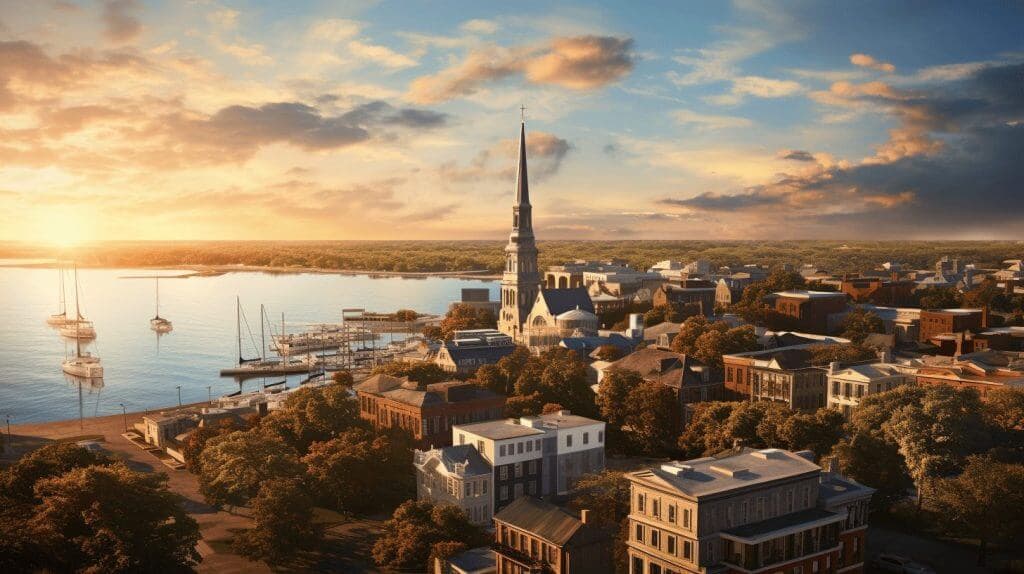
Founded in 1670 as Charles Town in honor of King Charles II of England, Charleston is the oldest and largest city in South Carolina. Initially located on the west bank of the Ashley River, known as Albemarle Point, the city was later moved to its present location on Oyster Point in 1680. Charleston’s early years were marked by ethnic and religious diversity, with settlers from England, France, Germany, Ireland, and Scotland, among others, contributing to its rich cultural tapestry.
Charleston snapshot
| Aspect | Details |
|---|---|
| Average Home Price | $590,098 |
| Cost of Living | 99.102 Regional Price Parity (RPP for the US is 100, lower = lower than average, higher = higher than average) |
| Crime | 26 incidents per 1,000 residents (Average crime rate in the US is 23.48 per 1,0000 residents (FBI, US Census)) |
| Weather | Charleston experiences a humid subtropical climate with mild winters and hot, humid summers. |
Charleston healthcare
Charleston’s healthcare landscape is distinguished by its robust network of hospitals, clinics, and specialized care centers, offering a comprehensive range of medical services to the community. This city is known for its blend of top-tier medical facilities, expert healthcare professionals, and a commitment to innovative treatments and patient-centered care, making it a hub for medical excellence in the region.
| Category | Details |
|---|---|
| Leading Hospital | MUSC Health-University Medical Center, Charleston. Nationally ranked in two adult specialties and four children’s specialties. |
| Specialized Care | The hospital is recognized for its excellence in treating life-threatening or rare conditions requiring specialized treatments, and for common procedures and conditions like hip replacement or heart failure. |
Charleston walkability
Charleston, South Carolina, while celebrated for its rich history and cultural heritage, presents a different picture in terms of walkability. Unlike some cities where the majority of errands can be accomplished on foot, Charleston’s layout and infrastructure offer a more car-dependent lifestyle.
| Category | Details |
|---|---|
| Overall Walkability | Charleston has an average Walk Score of 40, indicating that it is a car-dependent city where most errands require a car. |
| Highly Walkable Areas | The most walkable Charleston neighborhoods are Radcliffeborough, Cannonborough – Elliottborough, and Mazyck – Wraggborough. |
| Neighborhood Variability | While some neighborhoods like Radcliffeborough (Walk Score: 95) and Cannonborough – Elliottborough (Walk Score: 93) are highly walkable, the overall city maintains a more car-dependent character. |
| City Ranking | Charleston’s moderate walkability score reflects its layout and infrastructure, which lean more towards being car-dependent than pedestrian-friendly. |
Charleston education
Charleston offers a diverse educational landscape, with a variety of schools catering to different educational needs and preferences. The Charleston County School District, which encompasses a significant portion of the city’s educational institutions, plays a pivotal role in shaping the educational environment of the area.
| Category | Details |
|---|---|
| School District Overview | Charleston County School District includes 82 schools, serving 49,331 students. The district has a diverse student body, with a 60% minority enrollment. |
| Notable Schools | Charleston School of the Arts is a highlight, with 73% of its students scoring at or above the proficient level for math and 87% in reading. |
| High School Performance | High schools like North Charleston High School rank within the top 226 in South Carolina, with a focus on college readiness and a high graduation rate. |
| Educational Opportunities | The district offers a range of educational opportunities, from traditional public schools to specialized institutions like Charleston Progressive and Charleston School of the Arts. |
Charleston jobs and economy
Charleston, South Carolina, demonstrates a dynamic and growing job market, reflecting the city’s economic resilience and diversity. The region’s economy benefits from a mix of industries, showing adaptability and potential for future growth, making it an attractive hub for professionals.
| Category | Details |
|---|---|
| Job Market Growth | Charleston has experienced a 6.1% year-over-year growth in nonfarm wage and salary employment, indicating a robust and expanding job market. |
| Key Industries | Significant growth is seen in sectors like Professional and Business Services (12.0% growth), Leisure and Hospitality (11.5%), and Manufacturing (4.9%). |
| Average Wages | The average salary in Charleston is $63,159. |
| Future Job Growth | With ongoing development in various sectors, Charleston’s job market shows promise for continued expansion and diversification. |
| Economic Strength | The city’s economic health is bolstered by a blend of industries, including manufacturing, business services, and hospitality, contributing to its overall economic vitality. |
Pro Tip
“The housing market in South Carolina is a fairly forgiving one right now. Statewide, the average home price is under $300,000, and even the major metros are fairly affordable compared to those in other states. The average home price in Columbia is lower than the state average, while Charleston is much more expensive, averaging nearly $700K. The other good thing about these prices is that they’re rising relatively slowly, up less than 3% over the past year.” – Martin Orefice, CEO of Rent To Own Labs
Myrtle Beach
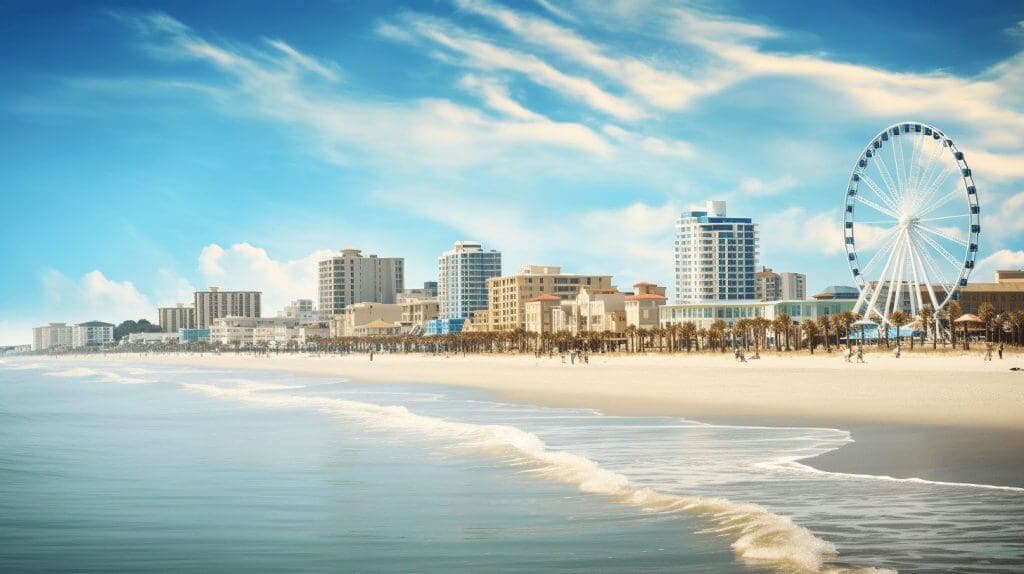
Myrtle Beach, a renowned coastal city in South Carolina, is celebrated for its stunning beaches and vibrant tourism industry. Originally inhabited by the Waccamaw and Winyah Native Americans, Myrtle Beach began its transformation into a major tourist destination in the early 20th century. Named after the abundant myrtle trees lining its coast, the city has grown exponentially since its incorporation in 1938.
| Aspect | Details |
|---|---|
| Average Home Price | $256,250 |
| Cost of Living | 94.292 Regional Price Parity (RPP for the US is 100, lower = lower than average, higher = higher than average) |
| Crime | 94.53 incidents per 1,000 residents. (Average crime rate in the US is 23.48 per 1,0000 residents (FBI, US Census)) |
| Weather | Myrtle Beach enjoys a subtropical climate characterized by hot, humid summers and mild winters, making it an ideal location for year-round beach activities. |
The housing market in South Carolina has been experiencing steady growth, with a mix of urban and rural areas. While this growth has led to increased housing demand, it has also affected affordability, especially in popular urban centers like Charleston and Greenville. Rural areas, on the other hand, maintain a more affordable housing landscape.
Myrtle Beach healthcare
Myrtle Beach’s healthcare landscape is comprehensive and diverse, catering to the needs of both residents and the numerous tourists who visit each year. The city is served by several major hospital systems, ensuring a wide range of medical services are readily available.
| Category | Details |
|---|---|
| Main Hospital Systems | Myrtle Beach is served by four major hospital systems: Conway Medical Center, Grand Strand Health, McLeod Health, and Tidelands Health, each offering a variety of specialized services. |
| Grand Strand Medical Center | A part of Grand Strand Health, this center is a Level 1 Adult and Level 2 Pediatric Trauma Center, recognized for its programs in chest pain, knee and hip replacement, sepsis, and stroke rehabilitation. |
| Tidelands Health | This system operates two hospitals in the region, Tidelands Georgetown Memorial Hospital and Tidelands Waccamaw Community Hospital, both known for their advanced primary stroke centers and joint replacement and spine surgery certifications. |
| McLeod Health | Covering multiple regions, McLeod Health includes facilities like McLeod Health Seacoast and McLeod Health Loris, offering a wide range of services from general surgery to critical care and therapies. |
| Conway Medical Center | Established in 1928, Conway Medical Center is a 24-hour emergency facility with 210 inpatient beds, providing a comprehensive range of medical services. |
Myrtle Beach walkability
Myrtle Beach, known for its beautiful coastline and tourist attractions, offers a varied walkability experience, with some areas being more pedestrian-friendly than others.
| Category | Details |
|---|---|
| Overall Walkability | Myrtle Beach has a Walk Score of 77, making it “Very Walkable” where most errands can be accomplished on foot, especially in tourist-centric areas. |
| Highly Walkable Areas | Certain areas, particularly near the beachfront and central tourist locations, offer high walkability with easy access to amenities and attractions. |
| Neighborhood Variability | Walkability in Myrtle Beach varies significantly, with some areas being very walkable while others are more car-dependent, especially in residential zones. |
| City Ranking | Myrtle Beach’s walkability is enhanced by its tourist-friendly areas, making it an attractive destination for visitors who prefer to explore on foot. |
Myrtle Beach education
Myrtle Beach’s education system is primarily served by the Horry County Schools district, which is known for its commitment to providing quality education across various levels.
| Category | Details |
|---|---|
| Myrtle Beach Area School Districts | Horry County Schools district encompasses 57 schools, serving a diverse student population with a focus on academic and extracurricular excellence. |
| High Schools in Myrtle Beach | Myrtle Beach High School, part of the Horry County Schools, is recognized for its performance on state-required tests, graduation rates, and college readiness. |
| Public School Performance | The district’s schools, including Myrtle Beach Elementary and Myrtle Beach Middle, are committed to providing high-quality education, with a focus on student development and achievement. |
| Top Public Schools in Myrtle Beach | Carolina Forest High School, another notable school in the district, is known for its strong academic programs and contributions to student development. |
Myrtle Beach jobs and economy
Myrtle Beach’s economy is notably driven by its robust tourism sector, but it also shows diversity and growth in other areas, contributing to its overall economic health.
| Category | Details |
|---|---|
| Job Market Growth | The total nonfarm employment in Myrtle Beach has seen a 2.9% year-over-year growth, indicating a steadily expanding job market. |
| Key Industries | Leisure and Hospitality are significant sectors, along with Trade, Transportation, and Utilities. Government services also contribute to the job market. |
| Average Wages | The average salary in Myrtle Beach is $50,217. |
| Future Job Growth | With ongoing development in tourism and other sectors, Myrtle Beach’s job market shows promise for continued expansion and diversification. |
| Economic Strength | The city’s economic health is bolstered by a blend of industries, with a significant emphasis on tourism, hospitality, and retail, contributing to its overall economic vitality. |
Greenvile
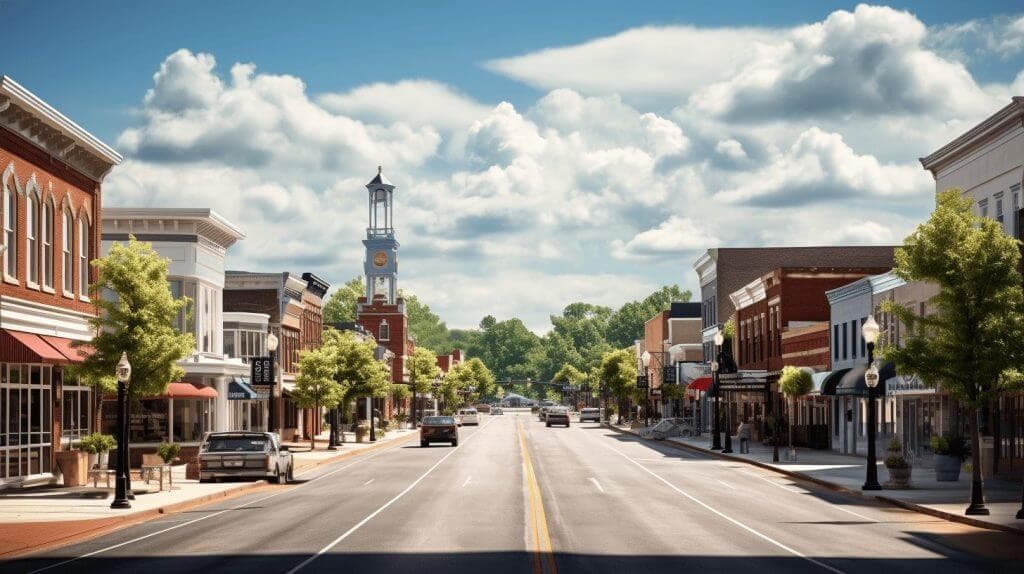
Greenville, South Carolina, nestled in the foothills of the Blue Ridge Mountains, is a city that seamlessly blends traditional Southern charm with modern urban life. Known for its lush parks, vibrant arts scene, and historic landmarks, Greenville has rapidly transformed into one of the most dynamic cities in the Southeast. Its downtown, famous for the scenic Liberty Bridge at Falls Park on the Reedy, is a hub of cultural and social activity, boasting an array of shops, restaurants, and entertainment venues.
Greenvile snapshot
Greenville, South Carolina, combines the allure of a bustling urban center with the charm of Southern living. Here’s a snapshot of some key aspects of living in Greenville:
| Aspect | Details |
|---|---|
| Average Home Price | $295,094 |
| Cost of Living | 88.504 Regional Price Parity (RPP for the US is 100, lower = lower than average, higher = higher than average) |
| Crime | 44.44 incidents per 1,000 residents. (Average crime rate in the US is 23.48 per 1,0000 residents (FBI, US Census)) |
| Weather | Greenville enjoys a humid subtropical climate, characterized by hot summers and mild winters, offering a pleasant environment for outdoor activities year-round. |
Greenvile healthcare
Greenville’s healthcare landscape is robust, supported by two major healthcare systems that provide comprehensive medical services to the community.
| Category | Details |
|---|---|
| Main Healthcare Systems | Greenville is served by Bon Secours St. Francis Health System and Prisma Health, both offering a wide range of healthcare services. |
| Bon Secours St. Francis Health System | This not-for-profit health system includes facilities like St. Francis Downtown and St. Francis Eastside, known for high patient satisfaction and comprehensive care. |
| Prisma Health | Prisma Health, a public not-for-profit system, includes a Level I trauma center, acute care hospitals, a psychiatric hospital, and numerous specialty facilities. |
| Specialized Pediatric Care | Shriners Hospitals for Children® – Greenville, a specialized pediatric orthopedic hospital, is also part of Greenville’s healthcare offerings. |
Greenville walkability
Greenville, South Carolina, offers a mixed walkability experience, with some areas being more pedestrian-friendly than others.
| Category | Details |
|---|---|
| Overall Walkability | Greenville has an average Walk Score of 43, indicating that it is a car-dependent city where most errands require a car. |
| Highly Walkable Areas | The most walkable neighborhoods in Greenville are Downtown, Viola Street Area, and McBee Avenue Area, offering better pedestrian access. |
| Neighborhood Variability | Walkability in Greenville varies across neighborhoods, with a mix of walkable and car-dependent areas. |
| City Ranking | While Greenville has areas that are conducive to walking, the overall city infrastructure is more oriented towards car dependency. |
Greenvile education
Greenville’s education system is served by the Greenville County Schools district, known for its commitment to providing quality education across various levels.
| Category | Details |
|---|---|
| Greenville Area School Districts | Greenville County Schools district encompasses 92 schools, serving a diverse student population with a focus on academic and extracurricular excellence. |
| High Schools in Greenville | High schools like Greenville Senior High Academy are recognized for their performance on state-required tests, graduation rates, and college readiness. |
| Public School Performance | The district’s schools, including Carolina Academy High School, are committed to providing high-quality education, with a focus on student development and achievement. |
| Top Public Schools in Greenville | Specific schools, such as Washington Center, are recognized for their outstanding performance and quality of education. |
Greenvile jobs and economy
Greenville’s economy is characterized by a diverse mix of industries and a strong job market, contributing to its overall economic health and growth.
| Category | Details |
|---|---|
| Job Market Growth | Greenville has seen a year-over-year growth in total nonfarm employment, with a 1.2% increase, indicating a steadily expanding job market. |
| Key Industries | Major sectors contributing to the job market include Manufacturing, Trade, Transportation, and Utilities, as well as Leisure and Hospitality. |
| Average Wages | The average salary in Greenvile is $53,495. |
| Future Job Growth | With ongoing development in key sectors, Greenville’s job market shows promise for continued expansion and diversification. |
| Economic Strength | The city’s economic health is bolstered by a blend of industries, with manufacturing and business services playing significant roles, contributing to its overall economic vitality. |
Our methodology
In our methodology for identifying the best places to live in a state, we adopt a comprehensive and data-driven approach, relying on a variety of trusted and authoritative sources to compile our rankings. This process is outlined in the following steps:
Economic Data Analysis: We gather robust economic statistics from esteemed sources such as the U.S. Bureau of Labor Statistics and the Bureau of Economic Analysis. These agencies provide us with critical data on employment rates, income levels, job growth, and other economic indicators that contribute significantly to the quality of life in an area.
Employment Opportunities: In addition to general economic data, we specifically examine employment statistics from the Bureau of Labor Statistics. This includes examining trends in job growth, the diversity of industries present, and the stability of employment in different regions, which are vital factors in determining a place's economic health and attractiveness.
Crime Rate Assessment: For understanding the safety and security of a place, we utilize data from the FBI’s Crime Data Explorer. This tool offers detailed insights into various types of crime rates, including both property and violent crimes, allowing us to assess the safety of a community comprehensively.
Housing Market Evaluation: Housing affordability and market trends are key components of our analysis. We primarily use Zillow.com for up-to-date and detailed information on house prices, trends in the housing market, and the overall affordability of living in different areas. When necessary, we also consult other reliable sources to validate and enrich our data.
Additional Quality of Life Factors: Recognizing that quality of life is influenced by a variety of factors, we also incorporate data from other official and reputable sources. This includes information on education quality, healthcare accessibility, environmental quality, transportation infrastructure, and recreational opportunities, among others.
Data Integration and Analysis: Upon gathering data from these diverse sources, we integrate and analyze it to provide a holistic view of each location. Our analysis involves not only looking at the raw numbers but also understanding the context and relative significance of each data point.
FAQ
Which city in South Carolina is best for beach lovers?
Myrtle Beach is the ultimate destination for beach lovers in South Carolina. Known for its stunning coastline, Myrtle Beach offers a perfect blend of sandy beaches, oceanfront attractions, and a vibrant nightlife, making it a popular choice for both tourists and residents seeking a coastal lifestyle.
How does Greenville, SC, cater to families and young professionals?
Greenville, SC, is an ideal city for families and young professionals due to its blend of urban amenities and suburban comfort. The city offers excellent schools, a growing job market, and a variety of recreational activities, including parks, cultural events, and a dynamic downtown area.
What makes Hilton Head Island unique compared to other cities in South Carolina?
Hilton Head Island stands out for its upscale resort atmosphere, commitment to natural conservation, and world-class golf courses. Its unique blend of luxury and natural beauty, along with carefully planned development that preserves the island’s charm, sets it apart from other cities in South Carolina.
Is Charleston, SC, rich in cultural and historical experiences?
Charleston, SC, is renowned for its rich cultural and historical heritage. The city’s well-preserved architecture, historic landmarks, and diverse cultural scene, including museums, art galleries, and festivals, offer residents and visitors a deep dive into the region’s history and contemporary arts.
What are the economic strengths of South Carolina’s major cities?
South Carolina’s major cities like Charleston, Greenville, and Myrtle Beach have diverse economic strengths. Charleston is known for its port and growing tech sector, Greenville for its manufacturing and business services, and Myrtle Beach for its tourism and hospitality industry, contributing to the state’s overall economic vitality.
Key Takeaways
- Diverse Economic Landscapes: South Carolina’s major cities, including Charleston, Greenville, and Myrtle Beach, showcase diverse economic strengths, ranging from tech and manufacturing to tourism and hospitality, contributing to the state’s overall economic growth.
- Rich Cultural and Historical Heritage: Cities like Charleston offer a wealth of cultural and historical experiences, with well-preserved architecture, historic landmarks, and a vibrant cultural scene, reflecting the region’s deep historical roots.
- Quality of Life and Natural Beauty: South Carolina’s cities balance urban amenities with natural beauty, offering residents and visitors a high quality of life. Places like Hilton Head Island and Myrtle Beach are known for their stunning beaches and resort-like atmosphere.
- Educational Opportunities: The state’s cities provide a range of educational opportunities, with excellent schools and universities, making them ideal for families and individuals seeking quality education and academic excellence.
Share this post:
Add as a preferred source on Google
Table of Contents