
The Feds Shut Down. You Should Too. (Here’s How a Personal Budget Freeze Helps You)

Last updated 10/01/2025 by
Andrew Latham
Summary:
While a government shutdown often signals political dysfunction and economic risk, a personal budget shutdown can have the opposite effect. By temporarily cutting nonessential spending, you can clarify your financial priorities, reduce waste, and reset your budget.
The U.S. government officially shut down at midnight on October 1, 2025, after lawmakers failed to reach a funding deal. The lapse will disrupt services, put hundreds of thousands of federal employees in limbo, and add uncertainty to an already volatile economy.
Yet hidden in the turmoil is a financial lesson worth considering. Just as Congress must decide which services are truly essential, households can benefit from pausing nonessential spending. A temporary “budget shutdown” at home isn’t a crisis. It can be a powerful way to reset priorities and regain control over your money.
Get Competing Personal Loan Offers In Minutes
Compare rates from multiple vetted lenders. Discover your lowest eligible rate.
It's quick, free and won’t hurt your credit score
Government shutdowns: Not total, but telling
This latest shutdown means some federal functions will pause while essential services continue. That same principle can apply to your wallet: essentials like housing, food, and utilities must keep going, but you can temporarily freeze nonessential spending to reset your budget.
You can take the same approach with your money. A personal budget shutdown is not about stopping all spending. It’s about forcing yourself to define what’s essential vs. what’s nice to have.
Like Congress, you’ll be forced to reveal your priorities. Unlike Congress, you’ll actually make progress.
Why a personal shutdown works
Spending less isn’t just about willpower — it’s about structure. Research shows that when people create clear rules around their spending, they consistently save more money.
- A meta-analysis of 29 studies covering 12 strategies found that structured self-control strategies, such as setting limits, using reminders, or restricting access to cards, consistently led to lower spending and higher saving.
- People who came up with their own strategies — like a personalized budget or a no-spend rule — spent an average of $228 to $236 less per month than those who didn’t. By contrast, people given pre-written “expert” strategies saved far less (around $50) and often didn’t see meaningful results.
- Proactive strategies (set before temptation hits) and reactive strategies (used in the moment) were both effective, but planning ahead gave people more control over their spending choices.
- Success improved when the strategy fit the person’s lifestyle — for example, switching to cash if they overspent on cards, or deleting apps that tempted impulse buys.
Bottom line: When you deliberately pause or restrict spending in key areas, you’re doing more than saving money — you’re applying proven psychological tools tailored to your habits.
Which budget shutdown works best?
Not all shutdowns are equal. Some save more money but are harder to follow. Others are easier but have smaller payoffs. Research shows the effectiveness of a strategy often depends on fit — personalized methods outperform generic rules.
Here’s a simple way to visualize the trade-offs:
| Easy to follow | Hard to follow | |
|---|---|---|
| High savings impact | Tracked budgeting and category freezes. These methods are sustainable and deliver meaningful savings. | Full freezes (like a no-spend month). They deliver big results but are tough to keep up long-term. |
| Low savings impact | One-number budgeting. A simple entry point, but the resulting savings are modest. | Generic expert rules. Prewritten strategies that don’t fit your lifestyle often feel restrictive and save little. |
That’s why personalized strategies work best. Tools like SuperMoney’s AI-powered personal finance app help you track your accounts, connect your credit history, and set customized goals. Instead of forcing someone else’s rules, you build a system that works with your habits.
3 budget moves to try this month
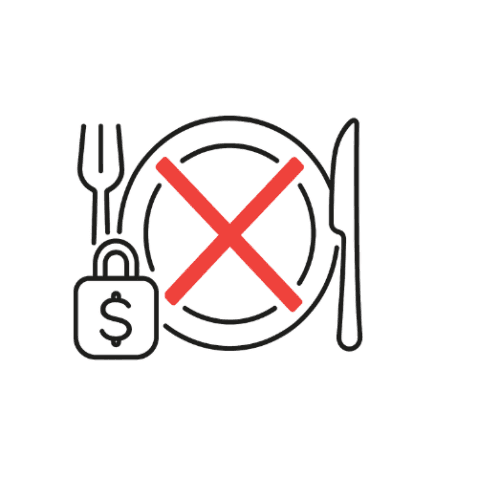
The No Dining Out Plan
This is a category shutdown: Shut down restaurants, delivery apps, and bar tabs for 30 days. Essentials like groceries stay in. You’ll learn just how much lifestyle creep is hiding in your food budget.
This is a category shutdown: Shut down restaurants, delivery apps, and bar tabs for 30 days. Essentials like groceries stay in. You’ll learn just how much lifestyle creep is hiding in your food budget.
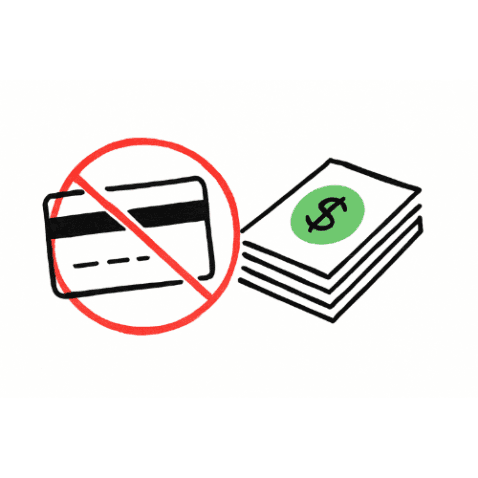
The Cash-Only Experiment
This is a format shutdown: Put away your cards for a set period and use only cash for discretionary purchases. It forces awareness, slows spending, and creates a natural hard stop when the wallet’s empty.
This is a format shutdown: Put away your cards for a set period and use only cash for discretionary purchases. It forces awareness, slows spending, and creates a natural hard stop when the wallet’s empty.
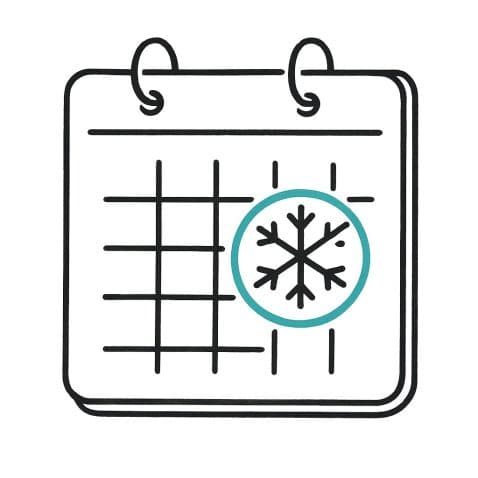
The Full Freeze Weekend
This is a full shutdown: Try a 48-hour no-spend challenge where you pause all nonessential spending — no shopping, dining, streaming rentals, or impulse buys. It’s short but revealing, and resets your habits fast.
This is a full shutdown: Try a 48-hour no-spend challenge where you pause all nonessential spending — no shopping, dining, streaming rentals, or impulse buys. It’s short but revealing, and resets your habits fast.
WEIGH THE RISKS AND BENEFITS
Here is a list of the benefits and the drawbacks to consider.
Frequently asked questions
Is a personal budget shutdown realistic for most people?
Yes, especially if it’s customized. You can shut down one category, like dining out, or go broader. The key is choosing a clear time frame and sticking to it.
How do I know what to cut?
Start by tracking your spending for a month. Then identify categories that aren’t essential but consume a lot of your income. Those are prime shutdown targets.
Can this help long-term?
Absolutely. A temporary shutdown often reveals what you truly value, helping you build a more sustainable budget afterward.
Key takeaways
- Government shutdowns highlight priorities — your budget can do the same.
- Research supports temporary spending freezes as a tool for saving more and spending less.
- Different shutdown styles offer different balances of savings and sustainability.
- Try a small shutdown this month to learn what spending you actually value.
Andrew is the Content Director for SuperMoney, a Certified Financial Planner®, and a Certified Personal Finance Counselor. He loves to geek out on financial data and translate it into actionable insights everyone can understand. His work is often cited by major publications and institutions, such as Forbes, U.S. News, Fox Business, SFGate, Realtor, Deloitte, and Business Insider.
Share this post:
Add as a preferred source on Google
Table of Contents