
Trusts
Trusts are legal arrangements in which a person (the trustor) transfers ownership of their assets to another person or entity (the trustee) to be managed for the benefit of a third party (the beneficiary). Trusts can be used for a variety of purposes, including tax planning, asset protection, and charitable giving. Continue Reading Below
Encyclopedia Articles
Discover the definition of financial terms related to trusts.

Acceptance of Office by Trustee: Meaning, Process, Responsibilities, and Importance
Dan Agbo

Non-Contestability Clauses: Definition, Examples, and Implications
SuperMoney Team

Limited Purpose Trust Companies: Definition, Functions, and Regulatory Insights
Alessandra Nicole

Estate Freeze: Definition, Implementation, and Case Studies
Silas Bamigbola

Beneficial Interest: Definition, Legal Dynamics, and Real-World Examples
Silas Bamigbola

Crummey Power: How It Transforms Gifts, Strategies, and Real-world Scenarios
SuperMoney Team
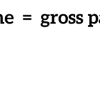
Distributable Net Income: Understanding Calculation, Examples, and Tax Benefits
Silas Bamigbola

Credit Shelter Trust: Definition, Benefits, and Real-life Examples
SuperMoney Team

Voting Trust Certificates: Understanding, Implementation, and Examples
Silas Bamigbola

Incentive Trusts: Definition, How It Works, and Examples
SuperMoney Team
Learn About Trusts

Revocable vs. Irrevocable Trust: All You Need To Know
Alani Asis

Average Cost of a Will and Trust By State
Cara Corey

How To Create a Trust (And Pros and Cons of Doing So)
Lacey Stark

How to Finance Land
SuperMoney Team

Per Stirpes vs. Per Capita: What’s the Difference?
Erin Gobler

Assignor vs. Assignee: Differences and Definition
Benjamin Locke

Family Trusts
Audrey Henderson

How the Rich Use GRATs to Get Richer
Julie Bawden-Davis

Two Names on Deed, One Person Dies, What Then?
Benjamin Locke

How to Open a Bank Account That No Creditor Can Touch
Benjamin Locke

Does an Executor Have to Show Accounting to Beneficiaries?
Benjamin Locke

Taxes on Trust Funds: How They're Taxed & Who Pays
Erin Gobler