Andrew Latham
Andrew is the Content Director for SuperMoney, a Certified Financial Planner®, and a Certified Personal Finance Counselor. He loves to geek out on financial data and translate it into actionable insights everyone can understand. His work is often cited by major publications and institutions, such as Forbes, U.S. News, Fox Business, SFGate, Realtor, Deloitte, and Business Insider.
articles from Andrew
1346 posts
Are GoFundMe Donations Tax Deductible?
Published 05/07/2026 by Andrew Latham
GoFundMe donations are tax-deductible only when the campaign is organized by a certified 501(c)(3) charitable organization — donations to personal campaigns for individuals are not deductible, regardless of the cause.

Common Checking Account Fees and How to Avoid Them
Published 05/07/2026 by Andrew Latham
Checking account fees are charges banks impose for account maintenance, overdrafts, ATM usage, and various transaction services. Most fees are avoidable through direct deposit, minimum balance requirements, or choosing an account that doesn’t charge them.
Americans Fear Running Out of Money More Than Death. The Real Problem Isn’t What You Think.
Published 05/06/2026 by Andrew Latham
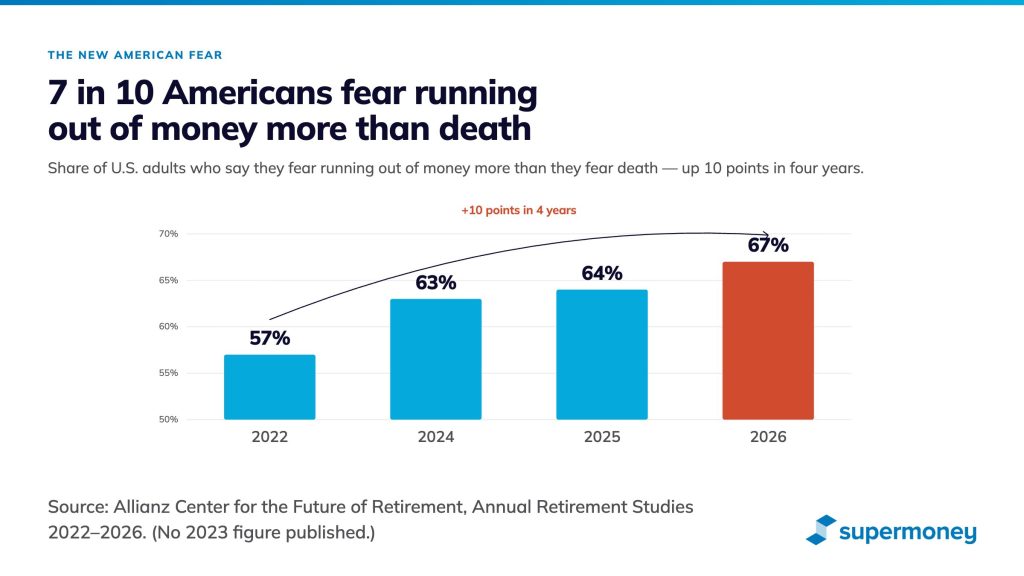
A new Allianz survey finds that 67% of Americans now fear running out of money more than they fear death. The number keeps climbing every year. But here is the part that almost no one is reporting: half of Americans flat-out guessed at their retirement number, and only 23% have a written financial plan. The fear has two pieces. The math piece is real. The clarity piece is fixable in about three hours of work this week.
Are Medicare Premiums Tax Deductible?
Published 05/06/2026 by Andrew Latham
Medicare premiums are tax-deductible, but two separate rules apply depending on whether you are self-employed or not, and the deductible amount can differ significantly between the two.

Are Political Donations Tax Deductible?
Published 05/06/2026 by Andrew Latham
Political donations are not tax-deductible at the federal level, a prohibition that applies equally to individuals, businesses, and self-employed filers under IRC Section 162(e).

Are Church Donations Tax Deductible?
Published 05/06/2026 by Andrew Latham
Church donations are tax-deductible as charitable contributions when made to a qualified religious organization, and starting in 2026, the deduction is available to both itemizers and standard deduction takers for the first time.

Are Credit Card Fees Tax Deductible?
Published 05/06/2026 by Andrew Latham
Credit card fees are not tax-deductible for personal use, but they are fully deductible when charged on a card used for business or rental activity.

Are Union Dues Tax Deductible?
Published 05/06/2026 by Andrew Latham
Union dues are not deductible on a federal income tax return for employees, but self-employed workers can deduct them as an ordinary business expense on Schedule C under IRC Section 162.

Are Funeral Expenses Tax Deductible?
Published 05/05/2026 by Andrew Latham
Funeral expenses are not deductible on a personal income tax return, but they are deductible on the federal estate tax return (Form 706) when paid from or charged against the estate.

Are Attorney Fees Tax Deductible?
Published 05/05/2026 by Andrew Latham
Attorney fees are not tax-deductible as a personal expense, but they are deductible when directly tied to a business, rental property, or a qualifying legal claim such as an employment discrimination or whistleblower case.