Andrew Latham
Andrew is the Content Director for SuperMoney, a Certified Financial Planner®, and a Certified Personal Finance Counselor. He loves to geek out on financial data and translate it into actionable insights everyone can understand. His work is often cited by major publications and institutions, such as Forbes, U.S. News, Fox Business, SFGate, Realtor, Deloitte, and Business Insider.
articles from Andrew
1346 posts
Home Equity or Personal Savings for Business: Which Is the Smarter Risk?
Published 01/14/2026 by Andrew Latham
When funding a business, many entrepreneurs face a common decision: use personal savings or tap into home equity. Each option carries different risks, opportunity costs, and long-term consequences. Here we’ll compare both approaches to help you decide which is the smarter risk for your situation.

Business Funding With No Monthly Payments: Options Beyond Traditional Loans
Published 01/14/2026 by Andrew Latham
Business funding without monthly payments can be an appealing alternative to traditional loans, especially for startups with unpredictable cash flow. Options like home equity agreements, investor capital, and equity-based financing can provide upfront capital without immediate repayment, but they come with trade-offs.

Business Loan vs Home Equity Loan: Which Is Better for Funding a Business?
Published 01/14/2026 by Andrew Latham
Business loans and home equity loans can both provide funding for a business, but they work very differently. Business loans keep your home out of the equation, while home equity loans often offer lower rates but put your property at risk. We compare costs, requirements, risks, and use cases to help you decide which option makes more sense.

Risks of Using Home Equity for Business: What Homeowners Need to Know
Published 01/14/2026 by Andrew Latham
Using home equity to fund a business can provide access to large amounts of capital at relatively low interest rates, but it also introduces serious personal risk. Here we’ll explain the biggest risks of using home equity for business, when the strategy may backfire, and what alternatives homeowners should consider before putting their house on the line.

Can You Use a HELOC to Start a Business? Pros, Cons, and Real-World Use Cases
Published 01/14/2026 by Andrew Latham
A home equity line of credit (HELOC) can be used to start or grow a business, offering flexible access to cash and lower interest rates than many startup loans. However, because your home is used as collateral, a HELOC also carries significant risk. This guide explains how HELOCs work for business funding, when they make sense, and what to consider before using one.

Debt Stress Is Rising: Americans Expect Missed Payments at Decade Highs
Published 01/08/2026 by Andrew Latham
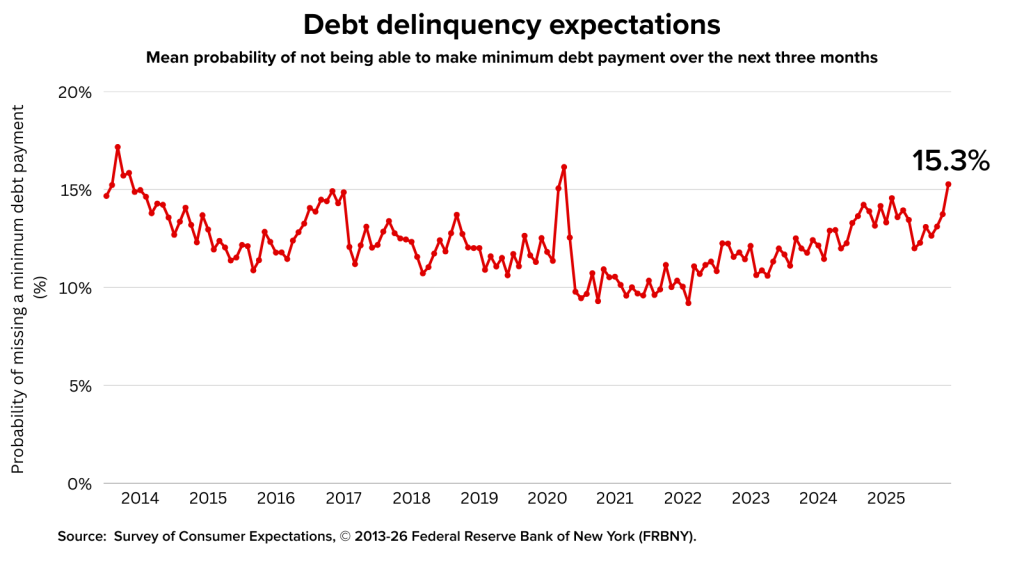
Americans are increasingly worried about their ability to keep up with debt payments. New data from the New York Fed shows that expectations of missing minimum payments are near the high end of the past decade, outside of pandemic spikes. Research from the Federal Reserve, CFPB, and academic economists suggests that financial uncertainty increases the risk of missed payments—while greater clarity and budgeting can help reduce stress and delinquency risk.
Subprime Credit Returns to Pre-Pandemic Levels: More Than One in Four Americans Is Now Non-Prime
Published 01/08/2026 by Andrew Latham
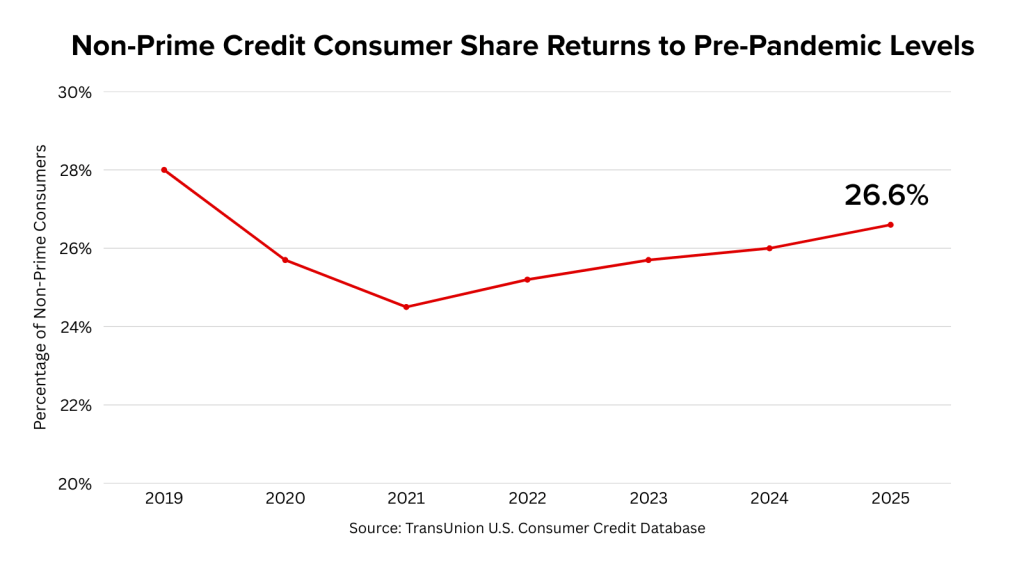
Subprime credit has returned to pre-pandemic levels, signaling that the temporary credit gains many Americans saw during COVID have largely faded. At the same time, more than one in four consumers now falls into the non-prime category. As credit stress normalizes, research shows that small behavioral changes can help prevent further slippage.
How to Get a Cash Advance Without a Bank Account
Published 12/19/2025 by Andrew Latham
Getting a cash advance without a bank account is possible—but your options are more limited and often more expensive. Understanding which lenders work without traditional banking can help you avoid the riskiest forms of fast cash.

Types of Cash Advances: Credit Card, Bank, App-Based, and Payday
Published 12/19/2025 by Andrew Latham
Cash advances come in several forms, including credit card advances, bank advances, app-based advances, and payday loans. While they all provide fast cash, their costs, risks, and repayment rules vary widely.

When a Cash Advance Is a Bad Idea (and What to Do Instead)
Published 12/19/2025 by Andrew Latham
Cash advances can provide fast cash, but they’re often a bad idea when repayment isn’t immediate or alternatives are available. High fees, immediate interest, and credit impact make many situations better suited to safer options.