Andrew Latham
Andrew is the Content Director for SuperMoney, a Certified Financial Planner®, and a Certified Personal Finance Counselor. He loves to geek out on financial data and translate it into actionable insights everyone can understand. His work is often cited by major publications and institutions, such as Forbes, U.S. News, Fox Business, SFGate, Realtor, Deloitte, and Business Insider.
articles from Andrew
1346 posts
Using a Personal Loan for Debt Consolidation: Pros, Cons & When It Makes Sense
Published 12/01/2025 by Andrew Latham
Using a personal loan for debt consolidation can help you replace multiple high-interest balances with one predictable monthly payment. It can lower your interest rate, simplify repayment, and boost your credit—if you qualify for a good APR and use the loan responsibly. But it’s not always the right choice.

Credit Card Consolidation Loans: Are They Worth It?
Published 12/01/2025 by Andrew Latham
A credit card consolidation loan can simplify repayment and reduce interest charges—but only if you qualify for a lower APR and can commit to a structured payoff plan. Learn when these loans make sense, how they work, and when alternatives may be cheaper.

How to Consolidate Debt Without Hurting Your Credit: Smart Borrower Guide
Published 12/01/2025 by Andrew Latham
You can consolidate debt without hurting your credit by choosing the right method, limiting hard inquiries, maintaining low credit utilization, and keeping accounts in good standing. This guide walks you through safe consolidation strategies that protect—and may even improve—your credit score.

Does Debt Management Hurt Your Credit? What Borrowers Should Know
Published 12/01/2025 by Andrew Latham
A debt management plan (DMP) may cause a small, temporary credit dip because some accounts are closed and payments are rerouted through a credit counseling agency. However, most borrowers see long-term score improvement due to lower interest, consistent payments, and reduced credit utilization. Here’s what to expect.

How Debt Consolidation Affects Your Credit Score: What Borrowers Should Know
Published 12/01/2025 by Andrew Latham
Debt consolidation can cause a small, temporary drop in your credit score due to hard inquiries and new account openings. However, most borrowers see long-term improvements from lower credit utilization, fewer missed payments, and better repayment structure. Here’s how consolidation affects your credit at every stage.

Debt Relief vs. Debt Consolidation vs. Bankruptcy: Which Option Is Right for You?
Published 12/01/2025 by Andrew Latham
Debt relief, debt consolidation, and bankruptcy are three very different strategies for handling overwhelming debt. Consolidation simplifies repayment, debt relief may reduce what you owe, and bankruptcy provides legal protection when debts are unmanageable. Understanding the differences helps you choose the safest and most effective path forward.

Debt Management Plans (DMPs): What They Are, How They Work, Pros & Cons
Published 12/01/2025 by Andrew Latham
A debt management plan (DMP) helps you pay off unsecured debt through one structured monthly payment, often with reduced interest rates. It’s not a loan—it’s a program offered by nonprofit credit counseling agencies to help borrowers regain control of their finances and eliminate debt in 3–5 years.

How to Consolidate Debt: Step-by-Step Guide to Lower Payments & Pay Off Faster
Published 12/01/2025 by Andrew Latham
Consolidating debt lets you combine multiple balances into one predictable payment—often with a lower interest rate. This step-by-step guide shows you how to evaluate your debt, compare consolidation options, qualify for better rates, and choose the repayment strategy that saves you the most money.

Debt Management vs. Debt Consolidation: What’s the Difference?
Published 12/01/2025 by Andrew Latham
Debt consolidation and debt management both help simplify repayment, but they work in very different ways. Consolidation combines debts into a new loan, while debt management restructures your payments without new borrowing. Understanding the differences helps you choose the smartest, lowest-cost path to becoming debt-free.
Over Half of U.S. Homes Just Lost Value — Here’s What That Means for Your Equity and Credit Lines
Published 11/28/2025 by Andrew Latham
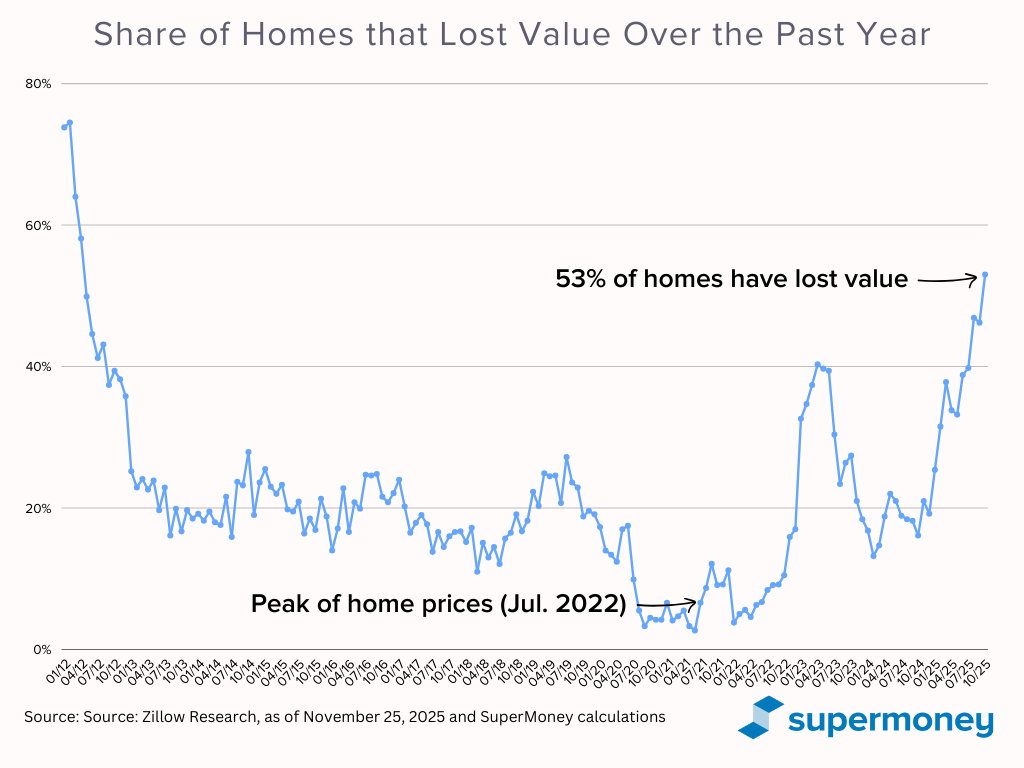
According to new data from Zillow, 53% of U.S. homes have dropped in value over the past 12 months. This marks the highest level of depreciation since the housing recovery began more than a decade ago.