
Best Cities To Live In Kansas (2026 Guide)

Last updated 03/12/2024 by
Benjamin Locke
Edited by
Andrew Latham
Summary:
Living in Kansas offers a blend of history, culture, and economic growth, with cities like Topeka, Prairie Village, and Leawood standing out for their unique qualities. Topeka is notable for its historical significance and diverse weather, while Prairie Village and Leawood are recognized for their high quality of life, excellent education systems, and strong community spirit. These cities offer a mix of suburban charm, educational excellence, and economic stability, making them some of the best places to live in Kansas.
Steeped in a history that traces back to the early Native American and frontier settlements, Kansas is a tapestry of various cultural influences, creating a distinctive Midwestern culture known for its hospitality and deep-rooted traditions. These three cities should not be missed when considering where to live in Kansas.
Get Competing Personal Loan Offers In Minutes
Compare rates from multiple vetted lenders. Discover your lowest eligible rate.
It's quick, free and won’t hurt your credit score
Best cities to live in Kansas
Topeka
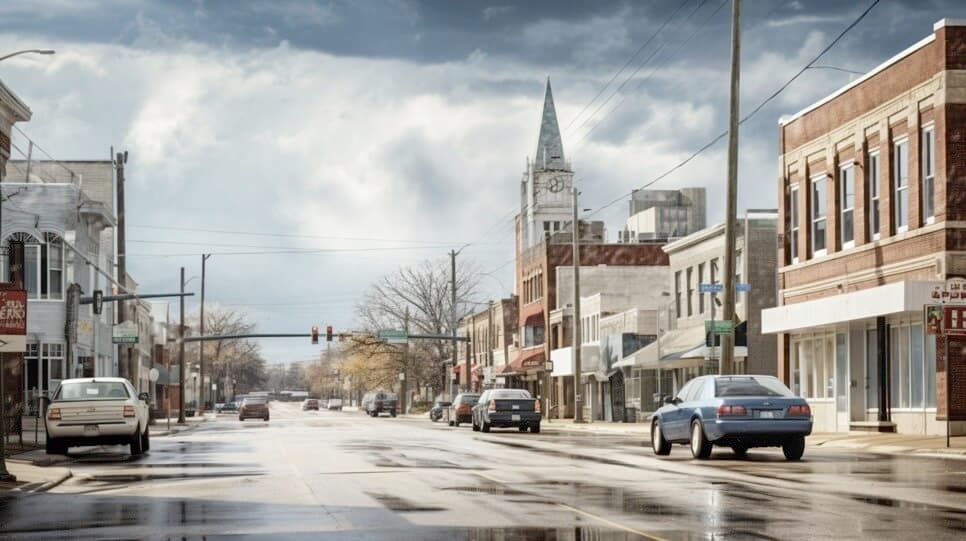
Founded in 1854, Topeka, Kansas, has a rich history as a pivotal city in the fight for freedom and civil rights. It played a significant role during the Civil War era as a Free-State stronghold and later became the capital of Kansas. Topeka is known for its significant contributions to American history, including the landmark Brown v. Board of Education case, which led to the desegregation of public schools in the United States. This dynamic city uniquely merges its historical significance with a progressive outlook, captivating visitors and residents alike.
Topeka snapshot
| Aspect | Details |
|---|---|
| Average Home Price | $174,819 |
| Cost of Living | 87.779 Regional Price Parity (RPP for the US is 100, lower = lower than average, higher = higher than average) |
| Crime | 52 crimes per 1,000 residents (Average crime rate in the US is 23.48 per 1,000 residents (FBI, US Census)) |
| Weather | Topeka experiences a humid subtropical climate with hot, humid summers and cold, dry winters, offering a diverse range of weather throughout the year. |
Topeka healthcare
While Kansas faces its own healthcare challenges, Topeka stands out with its reputable healthcare facilities. It exemplifies the quality of healthcare available in Topeka, offering comprehensive medical services and specialized care.
| Category | Details |
|---|---|
| Topeka Hospitals | Stormont Vail Hospital in Topeka is highly rated for its performance in multiple adult procedures and conditions, reflecting the city’s commitment to quality healthcare. |
| Other Notable Hospitals | Other significant healthcare facilities in Topeka include the University of Kansas Health System St. Francis Campus, known for its comprehensive medical services, and the Colmery-O’Neil VA Medical Center, which provides specialized care to veterans. |
Topeka walkability
Topeka, Kansas, offers a diverse walkability landscape. While the city has an average Walk Score of 37, indicating a general reliance on cars, some neighborhoods stand out for their pedestrian-friendliness.
| Category | Details |
|---|---|
| Overall Walkability | Topeka has an average Walk Score of 37, suggesting that some errands can be accomplished on foot, but a car may be needed for others. |
| Highly Walkable Areas | Areas like Old Town Topeka have higher Walk Scores, such as 71, indicating better walkability. |
| Neighborhood Variability | Walkability in Topeka varies by neighborhood. Downtown Topeka has a Walk Score of 52, College Hill scores 64, and the ZIP code 66603 area ranks highest with a Walk Score of 68, reflecting varying degrees of walkability. |
| City Ranking | Topeka’s overall walkability is moderate, but select neighborhoods offer more pedestrian-friendly environments. |
Topeka education
Topeka, Kansas, offers a diverse educational landscape, with a mix of high-ranking school districts and notable public schools. While Kansas as a state faces its own educational challenges, Topeka’s schools stand out for their quality and performance.
| Category | Details |
|---|---|
| Topeka Area School Districts | In Topeka, several school districts are recognized for their quality. Notable districts include Seaman Unified School District, which is highly rated. |
| High Schools in Topeka | U.S. News & World Report lists the best high schools in the Topeka area, highlighting schools like Washburn Rural High School and Topeka High School for their academic excellence. |
| Public School Performance | Kansas public schools, including those in Topeka, face challenges but also have areas of strength, contributing to the state’s educational landscape. |
| Top Public Schools in Topeka | Specific schools in Topeka, such as Elmont Elementary School and Jay Shideler Elementary School, are highly ranked for their performance and educational quality. |
Topeka jobs and economy
Topeka, Kansas, has a diverse economy with a focus on government and services. The job market and average salaries in Topeka reflect the city’s economic landscape and potential for growth.
| Category | Details |
|---|---|
| Job Market Growth | Over the last year, the civilian labor force slightly increased to about 122,900, with employment at approximately 119,100, and the unemployment rate rose to 3.1% |
| Average Annual Salary | The average annual salary in Topeka, Kansas, is approximately $54,500. |
| Future Job Growth | Predictions for future job growth in Topeka are optimistic, with an expected increase of 23.9% over the next decade. |
| Recent Trends | The job market in Topeka has shown signs of recovery from the pandemic, with unemployment falling dramatically from 6.07% to 3.73%. |
| Attractiveness to New Residents | The evolving job market in Topeka, along with its economic stability, contributes to its attractiveness to new residents and workers. |
| Overall Economic Strength | While Topeka’s economy faces challenges, it remains robust, particularly in the government and service sectors, contributing to its overall economic stability. |
Prairie Village

Founded in 1941, Prairie Village, Kansas, was named for its resemblance to a village on the prairie and the nearby Prairie School. In 1949, it was named the best-planned city in America by the National Association of Home Builders and gained city status in 1951. This charming city merges its historical roots with a progressive outlook, captivating both visitors and residents with its suburban charm and community-focused lifestyle.
Prairie Village snapshot
| Aspect | Details |
|---|---|
| Average Home Price | $416,619 |
| Cost of Living | 92.149 Regional Price Parity (RPP for the US is 100, lower = lower than average, higher = higher than average) (Part of the Kansas City Metropolitan Area, BEA) |
| Crime | 14 incidents per 1,000 residents (Average crime rate in the US is 23.48 per 1,000 residents (FBI, US Census)) |
| Weather | Prairie Village experiences a diverse climate with warm, humid summers and cold winters, and its location in the Midwest brings about a notable change in seasons, including picturesque springs and autumns. |
Prairie Village healthcare
Prairie Village offers residents access to quality healthcare facilities within the Kansas City metropolitan area. While Kansas faces challenges in healthcare, the proximity to renowned medical institutions contributes to the city’s healthcare landscape.
| Category | Details |
|---|---|
| Prairie Village Hospitals | Prairie Village benefits from its proximity to major medical institutions in the Kansas City metropolitan area, ensuring residents have access to quality healthcare services. The top hospital in Kansas City, as of 2023, is The University of Kansas Hospital. It has been named the Best Hospital in Kansas City for the 14th consecutive year and the Best Hospital in Kansas for the 12th time by U.S. News & World Report’s Best Hospitals rankings. |
| Notable Hospitals | Other notable institutions include Saint Luke’s Hospital of Kansas City, North Kansas City Hospital, and Saint Luke’s East Hospital. |
Prairie Village walkability
Prairie Village offers a unique walkability experience, with an average Walk Score of 42, indicating a moderate level of accessibility on foot. While the city may not boast numerous ‘Walker’s Paradises,’ it does offer a range of pedestrian-friendly areas and is actively working to enhance its walkability.
| Category | Details |
|---|---|
| Overall Walkability | Prairie Village has an average Walk Score of 42, suggesting that while some errands can be accomplished on foot, a car is often necessary for others. |
| Highly Walkable Areas | While Prairie Village doesn’t have areas with extremely high Walk Scores, it offers over 30 miles of walking trails and is enhancing pedestrian infrastructure. |
| Neighborhood Variability | Walkability in Prairie Village varies by neighborhood, with some areas being more pedestrian-friendly than others. |
| City Initiatives | The city is actively working on expanding bike and walking options, indicating a commitment to improving overall walkability. |
Prairie Village education
Prairie Village’s education system is anchored by the Shawnee Mission School District (SMSD), which is known for its excellent educational opportunities and variety of programs. The city also hosts several high-quality private schools, contributing to a robust educational landscape.
| Category | Details |
|---|---|
| Prairie Village School District | The Shawnee Mission School District provides a wide range of educational programs and is known for its high standards and diverse offerings. |
| Private Schools | Prairie Village is home to several private schools, including Kansas City Christian School, offering a conservative, evangelical K-12 Christian education. |
| Public School Performance | Prarie Village public schools are generally considered high-performing, with some of the top schools in the KC metro area. |
| Top Public Schools | Specific schools in Prairie Village, like Shawnee Mission East High School, are recognized for their excellence in education and student outcomes. |
Prairie Village jobs and economy
Prairie Village, Kansas, showcases a stable job market with a variety of employment opportunities. The city’s economy is characterized by its diverse job sectors and a strong sense of community, contributing to its overall economic health.
| Category | Details |
|---|---|
| Job Market Growth | The 12-month percentage change in wage and salary employment is 1.8%. |
| Average Annual Salary | The average income of a Prairie Village resident is $63,417. (Part of the Kansas City Metropolitan Area, BEA) |
| Employment Sectors | The city’s economy is diverse, with significant employment in sectors like healthcare, education, retail, and professional services. |
| Community and Economy | Prairie Village is known for its strong sense of community, which plays a vital role in supporting local businesses and the overall economy. |
| Economic Indicators | Economic indicators suggest a stable and growing economy in Prairie Village, with a focus on maintaining a high quality of life for its residents. |
Leawood
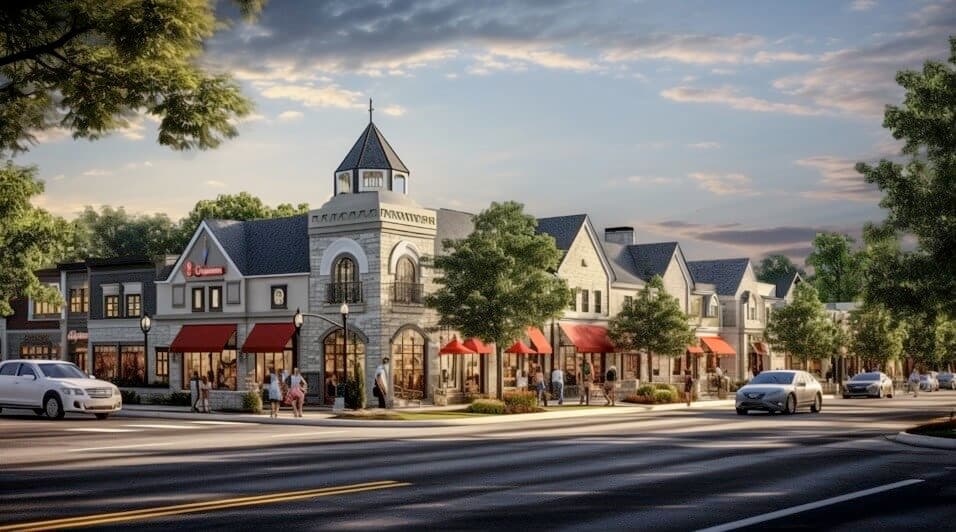
Founded as a small community in the early 20th century, Leawood, Kansas, has evolved from its humble beginnings into a thriving suburban city. Originally a part of rural Kansas, Leawood was incorporated in 1948, reflecting the post-war growth and suburbanization of the American Midwest. This charming city seamlessly blends its rich historical roots with a modern, forward-thinking spirit, making it an attractive destination for residents and visitors alike.
Leawood snapshot
| Aspect | Details |
|---|---|
| Average Home Price | $681,535 |
| Cost of Living | 92.149 Regional Price Parity (RPP for the US is 100, lower = lower than average, higher = higher than average) (Part of the Kansas City Metropolitan Area, BEA) |
| Crime | 16.03 incidents per 1,000 residents (Average crime rate in the US is 23.48 per 1,000 residents (FBI, US Census)) |
| Weather | Leawood has a continental climate with hot, humid summers and cold, dry winters, offering a distinct seasonal variation that highlights the region’s natural beauty throughout the year. |
Leawood healthcare
Leawood, Kansas, while smaller than major metropolitan areas, offers quality healthcare services with several well-regarded hospitals and medical centers in and around the city.
| Category | Details |
|---|---|
| Leawood Hospitals | Leawood is home to Menorah Medical Center, a full-service hospital providing comprehensive medical care to the community. It is known for its quality services and advanced treatment options. |
| Other Notable Hospitals | Nearby hospitals, such as Saint Luke’s South Hospital and The University of Kansas Hospital – Indian Creek Campus, also serve the Leawood area, offering a range of specialized medical services. |
| Specialized Care | Leawood and its surrounding areas offer specialized medical facilities, including the Kansas City Orthopaedic Institute and other specialized healthcare centers. |
| Community Healthcare | The Healthcare Resort of Leawood provides a unique blend of skilled nursing and rehabilitative services in a resort-like setting, emphasizing patient comfort and care. |
Pro Tip
“When it comes to choosing a place to live in the U.S., the cost of living is a pivotal factor. It’s more than just numbers on a bill; it shapes our financial health and lifestyle choices. Higher living costs often bring better services and amenities, but they also demand a larger slice of our income, making budgeting and financial planning more crucial than ever.
The relationship between healthcare accessibility and the overall cost of living is tightly intertwined. In areas where the cost of living is high, you’ll often find better healthcare facilities. This is a double-edged sword, as while healthcare access improves, it also contributes to higher living expenses, posing a significant consideration for families and individuals in their financial planning. – Greg Wilson, CFA at ChaChingQueen.com
The relationship between healthcare accessibility and the overall cost of living is tightly intertwined. In areas where the cost of living is high, you’ll often find better healthcare facilities. This is a double-edged sword, as while healthcare access improves, it also contributes to higher living expenses, posing a significant consideration for families and individuals in their financial planning. – Greg Wilson, CFA at ChaChingQueen.com
Leawood walkability
Leawood, Kansas, presents a walkability landscape that is more suburban in nature, with an average Walk Score of 22. This score suggests that the city is primarily car-dependent, but there are still some neighborhoods and areas that offer pedestrian-friendly environments.
| Category | Details |
|---|---|
| Overall Walkability | Leawood has an average Walk Score of 22, indicating that most errands require a car, with limited walkability in most areas. |
| Walkable Neighborhoods | Some neighborhoods in Leawood, such as Ironhorse, offer more walkable environments compared to the rest of the city. |
| Pedestrian Infrastructure | Leawood features some pedestrian-friendly areas, including parks and trails like the Tomahawk Creek Trail, enhancing its walkability. |
| City Ranking | Residents note that while Leawood is generally car-dependent, there are efforts to improve walkability in certain areas. |
Leawood education
Leawood’s education system is characterized by high-performing schools and a strong emphasis on academic excellence, with several top-ranked public and private schools.
| Category | Details |
|---|---|
| Leawood Area School Districts | Leawood is served by the Blue Valley School District, known for its high academic standards and strong performance. |
| High Schools in Leawood | High schools in Leawood, such as Blue Valley North High School and Blue Valley High School, are recognized for their academic excellence and comprehensive educational programs. |
| Public School Performance | Public schools in Leawood rank highly in Kansas, with schools like Leawood Elementary being noted for their strong performance on state-required tests and overall educational quality. Blue Valley North High School is highly rated. |
| Top Private Schools in Leawood | Leawood also hosts top private schools, including Nativity Parish School and Cure’ Of Ars Catholic School, offering diverse educational options to residents. |
Leawood jobs and economy
Leawood, Kansas, maintains a vibrant job market and a diverse economy, with a range of employment opportunities across various sectors.
| Category | Details |
|---|---|
| Job Market Growth | The 12-month percentage change in wage and salary employment is 1.8%. |
| Average Annual Salary | The average annual salary in Leawood is $63,417. (Part of the Kansas City Metropolitan Area, BEA) |
| Employment Sectors | Leawood’s economy is diverse, with significant employment in sectors like healthcare, education, retail, and professional services. |
| Community and Economy | Leawood is known for its strong community spirit, which supports local businesses and contributes to the city’s overall economic health. |
| Economic Indicators | Economic indicators suggest a stable and growing economy in Leawood, with a focus on maintaining a high quality of life for its residents. |
Our methodology
In our methodology for identifying the best places to live in a state, we adopt a comprehensive and data-driven approach, relying on a variety of trusted and authoritative sources to compile our rankings. This process is outlined in the following steps:
Economic Data Analysis: We gather robust economic statistics from esteemed sources such as the U.S. Bureau of Labor Statistics and the Bureau of Economic Analysis. These agencies provide us with critical data on employment rates, income levels, job growth, and other economic indicators that contribute significantly to the quality of life in an area.
Employment Opportunities: In addition to general economic data, we specifically examine employment statistics from the Bureau of Labor Statistics. This includes examining trends in job growth, the diversity of industries present, and the stability of employment in different regions, which are vital factors in determining a place's economic health and attractiveness.
Crime Rate Assessment: For understanding the safety and security of a place, we utilize data from the FBI’s Crime Data Explorer. This tool offers detailed insights into various types of crime rates, including both property and violent crimes, allowing us to assess the safety of a community comprehensively.
Housing Market Evaluation: Housing affordability and market trends are key components of our analysis. We primarily use Zillow.com for up-to-date and detailed information on house prices, trends in the housing market, and the overall affordability of living in different areas. When necessary, we also consult other reliable sources to validate and enrich our data.
Additional Quality of Life Factors: Recognizing that quality of life is influenced by a variety of factors, we also incorporate data from other official and reputable sources. This includes information on education quality, healthcare accessibility, environmental quality, transportation infrastructure, and recreational opportunities, among others.
Data Integration and Analysis: Upon gathering data from these diverse sources, we integrate and analyze it to provide a holistic view of each location. Our analysis involves not only looking at the raw numbers but also understanding the context and relative significance of each data point.
FAQ
What makes Overland Park, Kansas, a desirable place to live?
Overland Park is often cited as one of the best places to live in Kansas due to its low cost of living, excellent schools, and world-class arboretum. The city offers a suburban feel with plenty of parks, restaurants, and shopping centers, making it ideal for families and professionals.
How does the cost of living in Leawood, Kansas, compare to other areas?
Leawood, Kansas, is known for its upscale suburban living with a higher cost of living compared to other parts of Kansas. However, it offers a high quality of life with excellent schools, low crime rates, and beautiful neighborhoods, making it a popular choice for those seeking a more affluent lifestyle.
Are there any cities in Kansas ideal for a more rural lifestyle?
For those interested in a more rural setting, cities like Louisburg and Spring Hill in Kansas offer a quieter, country-like atmosphere. These areas are known for their open spaces, small-town charm, and community-oriented living, appealing to those who prefer a slower pace of life.
What recreational activities are available in Lawrence, Kansas?
Lawrence, Kansas, is not only home to the University of Kansas but also offers a vibrant arts scene, diverse culinary experiences, and numerous recreational activities. The city is known for its lively downtown area, cultural events, and outdoor activities like hiking and biking along the Kansas River.
What are the educational opportunities like in Wichita, Kansas?
Wichita, the largest city in Kansas, provides a range of educational opportunities with a variety of public and private schools. The city is also home to several higher education institutions, including Wichita State University, offering a wide array of academic programs and research opportunities.
Key takeaways
- Living in Kansas offers a blend of history, culture, and economic growth, with cities like Topeka, Prairie Village, and Leawood standing out for their unique qualities.
- Topeka is notable for its historical significance and diverse weather, while Prairie Village and Leawood are recognized for their high quality of life, excellent education systems, and strong community spirit.
- These cities offer a mix of suburban charm, educational excellence, and economic stability, making them some of the best places to live in Kansas.
- Kansas is a tapestry of various cultural influences, creating a distinctive Midwestern culture known for its hospitality and deep-rooted traditions.
Share this post:
Add as a preferred source on Google
Table of Contents