Health and Safety First: Key Considerations for Renting Out Your Property

Last updated 03/24/2025 by
SuperMoney Team
Edited by
Andrew Latham
Renting out a property offers a gateway to financial benefits, but it also introduces a complex landscape of health and safety obligations that landlords must navigate. The responsibility is profound; tenants trust that their temporary or long-term homes will be secure and well-maintained. Understanding these obligations is not just about compliance – t’s about providing peace of mind and ensuring a positive experience for everyone involved.
Get Competing Personal Loan Offers In Minutes
Compare rates from multiple vetted lenders. Discover your lowest eligible rate.
It's quick, free and won’t hurt your credit score
The Bedrock: Compliance with Legal Standards
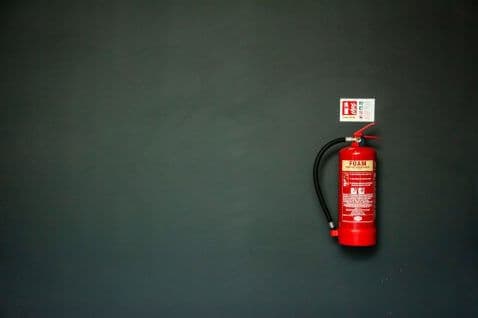
Every locale comes with its legal expectations for rental properties. From fire safety codes to building regulations, these laws are designed to ensure tenant safety and protect property owners from liability; it’s crucial to stay updated with local laws which can frequently change. Property owners should consult with legal professionals or local housing authorities to ensure they meet all current standards.
Alarming fact: According to data from the National Fire Protection Association (NFPA), working smoke alarms in homes can reduce the risk of dying in a fire by 55%. The presence of both smoke alarms and a fire sprinkler system can increase survival rates to over 82%.
The Invisible Threats: Health Risks in Rental Properties
Hidden dangers, such as mold, asbestos, or lead paint, pose significant health risks, and are not always apparent during routine inspections. Landlords should invest in professional inspections to identify and mitigate these risks before they become health issues for tenants. Regular maintenance checks can also prevent these problems from developing or worsening.
Hidden hazard: The U.S. Environmental Protection Agency (EPA) estimates that lead-based paint is present in roughly 34 million homes across the United States. Despite being banned for residential use in 1978, older properties might still pose a risk, particularly to children.
Emergency Preparedness: More Than Just a Plan
A robust emergency response strategy extends beyond having a plan on paper. Property owners should equip their properties with necessary safety features like fire extinguishers, carbon monoxide detectors, and clearly marked exits. Additionally, educating tenants on emergency procedures can drastically enhance safety during unexpected events.
Maintenance: The Ongoing Commitment
Proactive property maintenance is more effective than reactive repairs. By regularly servicing major systems such as heating, plumbing, and electrical circuits, landlords can prevent malfunctions that might otherwise lead to accidents or emergencies. Scheduled upkeep not only prolongs the life of these systems, but also assures tenants that their home is cared for.
Sobering statistic: The Centers for Disease Control and Prevention (CDC) reports that over 400 Americans die from unintentional carbon monoxide poisoning not linked to fires each year. More than 20,000 emergency room visits and more than 4,000 hospitalizations annually are also attributed to carbon monoxide poisoning.
Evolving Challenges: The Role of Vape Smoke Detectors
As vaping becomes a fixture in contemporary lifestyles, the challenges it poses to property management evolve correspondingly. Recognizing this trend, the development of vape smoke detectors marks a significant stride towards modernizing property safety protocols.
These devices excel in identifying the distinct particles produced by e-cigarettes, setting them apart from conventional smoke detectors; their ability to integrate with existing security systems also allows for immediate alerts to property managers when vaping activities are detected, facilitating prompt adherence to no-smoking policies. This capability is crucial not only for compliance, but also for maintaining optimal indoor air quality, thus safeguarding the health of all occupants.
According to Jessica Lauren from Fire Damaged House Aid, explosion of vape or e-cigarette chargers are responsible for almost 1% of all the house fires in the US. Vape smoke devices excel in identifying the distinct particles produced by e-cigarettes, setting them apart from conventional smoke detectors; their ability to integrate with existing security systems also allows for immediate alerts to property managers when vaping activities are detected, facilitating prompt adherence to no-smoking policies. This capability is crucial not only for compliance, but also for maintaining optimal indoor air quality, thus safeguarding the health of all occupants.
The introduction of vape smoke detectors into rental properties transcends mere policy enforcement; it reflects a commitment to proactive management and health standards. Property owners adopting this technology demonstrate great foresight – balancing legal adherence and tenant privacy with evolving public health trends.
Communication: The Safety Dialogue

Open lines of communication with tenants contribute significantly to safety, and landlords should encourage tenants to report potential hazards promptly. Establishing a straightforward, reliable reporting system helps to address issues long before they escalate into serious problems.
Insurance: Your Safety Net
Adequate insurance coverage provides a financial safety net for both the property owner and the tenants. It’s essential to have comprehensive property and liability insurance that covers potential accidents or natural disasters; landlords should review their policies annually to ensure coverage of their real estate investment remains appropriate and up to date.
Review and Reflect: The Continuous Improvement Process
The process of renting out a property is dynamic, with new challenges always popping up on the horizon; regularly reviewing and updating safety policies and practices is vital. Feedback from tenants can be invaluable in this ongoing process, providing insights that might not be obvious from a management perspective.
By treating health and safety as priorities, property owners not only comply with laws, but also build trust with their tenants. This trust, once established, forms the foundation of a beneficial relationship for all parties, fostering a sense of community and cooperation that enhances the rental experience. Renting out your property then becomes not just a business endeavor, but a commitment to the well-being of others – a rewarding aspect that goes beyond financial gains.
Share this post:
Add as a preferred source on Google
Table of Contents