
S&P 500
The S&P 500 is a stock market index that tracks the performance of 500 large companies listed on stock exchanges in the United States. It is considered to be one of the most widely-followed equity indices in the world and is often used as a benchmark for the overall performance of the US stock market. Continue Reading Below
Encyclopedia Articles
Discover the definition of financial terms related to s&p 500.
Spiders (SPDR): Definition, How It Works, Types, and Examples
Silas Bamigbola

Large-Cap Stocks: How They Work, Types, and Examples
Silas Bamigbola

The Power of Benchmarking: Understanding What an Index Is and How to Leverage It for Investment Success
SuperMoney Team

Index Options Explained: What They Are, How They Work, and Examples
Abi Bus

FAAMG Stocks: Overview, Operation, and Comparison
Alessandra Nicole

Demystifying Market Indexes: How They Shape Investment Strategies
Silas Bamigbola

Understanding the Significance of the S&P 500 Index in Investing
Silas Bamigbola
Market Breadth: Understanding, Indicators, and Real-World Insights
SuperMoney Team

NYSE Amex Composite Index: Definition, Composition, and Application
SuperMoney Team

Index Divisors: Definition, Applications, and Examples
Silas Bamigbola
Learn About S&P 500
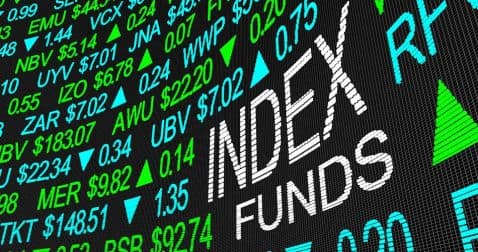
How to Invest in Index Funds
Lawrence Carrel

VTI vs. VOO: Which One Should You Choose?
Justin Smith

The Pros and Cons of ETFs
Bryce Sanders

Best Investment Vehicles for Your Risk Tolerance Level
Benjamin Locke

Warren Buffett's Guide to Investing for Retirement
Andrew Latham

Index Funds vs. Mutual Funds: 3 Differences that Matter
Benjamin Locke

Stocks vs. Gold: The 25-Year Chart Wall Street Investors Would Prefer You Didn’t See
Andrew Latham

Why Is the Stock Market Down Today? Current Market Analysis
Benjamin Locke

SPY vs. VOO: Which Is Better?
Lacey Stark

How To Buy Instagram Stock?
Benjamin Locke
How To Buy Berkshire Stock (2026 Guide)
SuperMoney Team

The S&P 500 Just Got Its First Golden Cross In 30 Months: What Does it Mean for Investors?
News

How to Unlever Beta: Formula & Examples
Benjamin Locke

SPX vs. SPY: Differences Explained
Lacey Stark

VUG vs VOO: Which Vanguard ETF Should You Buy?
Benjamin Locke