
Payments
A payment is a transfer of money from one person or entity to another in exchange for goods, services, or the satisfaction of a debt. Payments can be made in various forms, such as cash, check, credit or debit card, or electronic transfer. Continue Reading Below
Encyclopedia Articles
Discover the definition of financial terms related to payments.

What are NFTs? A Beginner’s Guide to Non-Fungible Tokens and Digital Art
SuperMoney Team

Co-Borrower Explained: What It Means & How It Works
Jacob Wilson

What is ChatGPT? A Deep Dive into AI-Powered Conversations
Allan Du

Check Conversion: Definition, Examples, and Consumer Rights
Silas Bamigbola

Unlocking the Potential of QR Codes: From Definition to Applications
Silas Bamigbola

Chip Card Explained: How It works, Benefits, and Real-World Examples
SuperMoney Team

Ecommerce: How it Works, Types, and Examples
Silas Bamigbola

Stochastic RSI: What It Is and How It Works
SuperMoney Team

Loan Servicing: Definition and Lifecycle
SuperMoney Team

Magnetic Ink Character Recognition (MICR)
SuperMoney Team
Learn About Payments

CP504B: How to Respond to IRS Tax Levy Warnings
SuperMoney Team

Blockfi Bankruptcy: Is Their An Upside?
SuperMoney Team
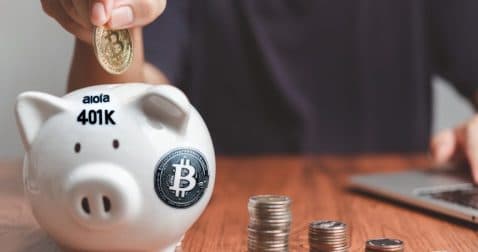
Trump’s New 401(k) Order: Will Crypto and Private Equity Change Retirement Forever?
SuperMoney Team

Can You Pay Your Mortgage With a Credit Card?
Andrew Latham

Can You Buy Lottery Tickets With a Debit Card? (2026 Rules & Locations)
Emily Africa

7 Questions to Ask Before Refinancing Your Mortgage
SuperMoney Team

Can the IRS Track Crypto? It Can Now - Here's How
SuperMoney Team

How to Calculate Your Monthly Mortgage Payment
SuperMoney Team

Auto Loan Terms Explained: APR, Loan-to-Value, Prepayment, and More
Andrew Latham

Do "No Denial Payday Loans, Direct Lenders Only" Exist?
Lacey Stark

How to Invest in the Metaverse
Erin Gobler

How To Find Best Interest Rates Using Personal Loan Calculators Online
Andrew Latham
What Happens If Your Checking Account Is Overdrawn?
Erin Gobler

Checking Account Fees (2026) How To Avoid Them
Benjamin Locke
Understanding Crypto And Capital Gains Taxes
Marty Self

How Much Mortgage Can I Qualify For?
Jessica Walrack