
Best Cities To Live In Arizona (2026 Guide)

Last updated 07/15/2025 by
Benjamin Locke
Edited by
Andrew Latham
Summary:
Arizona offers a harmonious blend of historical depth, cultural diversity, and evolving economy, with cities like Phoenix, Tucson, and Flagstaff each presenting unique living experiences. Phoenix stands out for its urban amenities and vibrant job market, Tucson for its rich cultural heritage, and Flagstaff for its outdoor appeal and educational opportunities.
Living in Arizona presents a distinctive blend of deep historical roots, diverse cultural influences, and a rapidly evolving economy. From the Grand Canyon’s breathtaking landscapes to its cities’ vibrant cultural scenes, Arizona is a state where natural beauty and urban sophistication coexist harmoniously. It’s a place where the spirit of the Old West meets cutting-edge innovation, offering residents a unique lifestyle that balances traditional values with modern advancements. These three cities should not be missed, as they are the best cities to live in Arizona.
Get Competing Personal Loan Offers In Minutes
Compare rates from multiple vetted lenders. Discover your lowest eligible rate.
It's quick, free and won’t hurt your credit score
Best cities to live in Arizona
Phoenix

Phoenix, Arizona, known for its year-round sunshine and warm temperatures, is a vibrant city set against a backdrop of desert beauty. It offers a unique blend of urban culture and outdoor adventure, making it an appealing destination for residents and visitors alike.
Phoenix snapshot
| Aspect | Details |
|---|---|
| Average Home Price | $417,187 |
| Cost of Living | 103.683 Regional Price Parity (RPP for the US is 100, lower = lower than average, higher = higher than average) |
| Crime | 43 incidents per 1,000 residents (Average crime rate in the US is 23.48 per 1,000 residents (FBI, US Census)) |
| Weather | Hot desert climate, long extremely hot summers, short, mild winters |
Phoenix healthcare
Phoenix, Arizona, not only serves as a vibrant urban center but also boasts a robust healthcare system, highlighted by several leading hospitals.
| Category | Details |
|---|---|
| Phoenix Hospitals | Phoenix is home to several notable hospitals, including Mayo Clinic-Phoenix, which is highly ranked nationally and excels in multiple adult procedures and conditions. |
| Other Notable Hospitals | Banner-University Medical Center Phoenix and St. Joseph’s Hospital and Medical Center are other significant healthcare facilities in Phoenix that offer a range of services and specialties. |
Phoenix walkability
Phoenix, Arizona, offers a unique urban experience with varying degrees of walkability across its neighborhoods, combining the convenience of city living with areas that cater to pedestrian activities.
| Category | Details |
|---|---|
| Overall Walkability | Phoenix has an average Walk Score of 41, suggesting a moderate level of walkability where some errands can be accomplished on foot. |
| Neighborhood Variability | Walkability in Phoenix varies significantly across neighborhoods. Downtown Phoenix is the most walkable area with a Walk Score of 82, followed by neighborhoods like Garfield and the Roosevelt Historic District. These areas are known for their pedestrian-friendly streets and accessibility to amenities. |
Phoenix education
Phoenix, Arizona, is not only a bustling metropolitan area but also a hub for educational excellence, boasting high-ranking schools and a diverse range of educational programs.
| Category | Details |
|---|---|
| Top High Schools | Phoenix is home to several top-performing high schools, including BASIS Peoria, BASIS Scottsdale, and University High School (Tolleson), known for their academic rigor and excellence. |
| Overall School Performance | In Phoenix, Arizona, the public school system is enriched by top-performing schools such as Phoenix Union Bioscience High School and Great Hearts Academies – Veritas Prep, offering diverse educational programs and a strong focus on academic achievement. Additionally, schools like Desert Vista High School stand out for their commitment to providing quality education. |
Phoenix jobs and economy
Phoenix, Arizona, is experiencing a period of economic vitality, marked by significant job market growth, a competitive average annual salary, promising future job growth projections, a stable unemployment rate, and an influx of new residents drawn by its diverse and expanding economy.
| Category | Details |
|---|---|
| Job Market Growth | Phoenix has experienced job market growth, with a forecast to decelerate from 4.4% in 2022 to 2.4% in 2023 and 2.2% in 2024. |
| Average Annual Salary | The average annual salary in Phoenix is $61,840. |
| Future Job Growth | Future job growth in Phoenix over the next ten years is predicted to be robust, contributing to the city’s economic strength. |
| Recent Trends | Phoenix’s unemployment rate is currently at 4.00%, showing a stable job market. |
| Attractiveness to New Residents | The growing job market and economic opportunities in Phoenix are attracting new residents, contributing to the city’s development. |
| Overall Economic Strength | Phoenix is recognized for its diverse economy and business-friendly environment, with significant investments in various sectors and a strong forecast for future growth. |
Pro Tip
“The dominant industries in a region can significantly impact the local economy and employment opportunities. For example, if a part is known for its tech industry, it may provide more job opportunities than other areas. Understanding the dominant sectors in a region can give you insight into the local economy and help you gauge the potential for employment and economic stability”. – Shreya Patel, Director of Travel Portal Solution.
Tucson
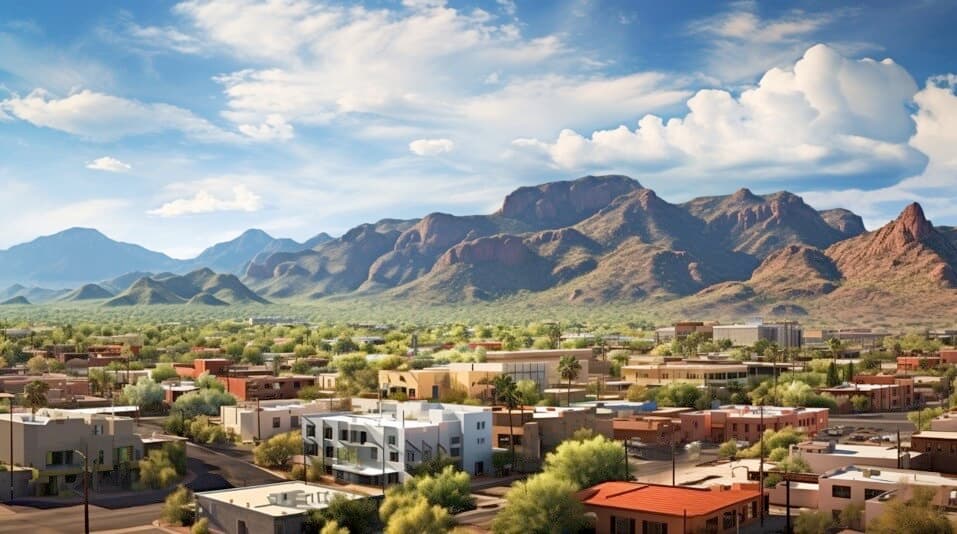
Tucson snapshot
| Aspect | Details |
|---|---|
| Average Home Price | $324,757 |
| Cost of Living | 93.814 Regional Price Parity (RPP for the US is 100, lower = lower than average, higher = higher than average) |
| Crime | 47.14 incidents per 1,000 residents (7.11 violent) (Average crime rate in the US is 23.48 per 1,000 residents (FBI, US Census)) |
| Weather | Renowned for its desert climate, offering over 350 days of sunshine a year, mild winters, and hot summers, making it a haven for those seeking year-round warmth and clear skies. |
Tucson healthcare
Tucson, Arizona, not only offers a vibrant and culturally rich environment but also boasts a robust healthcare system, highlighted by leading hospitals renowned for their excellence in various adult procedures and specialties.
| Category | Details |
|---|---|
| Tucson Hospitals | Tucson is home to several notable hospitals, including Banner–University Medical Center Tucson and Tucson Medical Center, both highly regarded for their range of services and medical specialties. |
| Other Notable Hospitals | Other significant healthcare facilities in Tucson include Carondelet St. Joseph’s Hospital and Banner-University Medical Center South, offering a variety of services and specialties. |
Tucson walkability
Tucson, Arizona, while generally considered moderately walkable, features diverse neighborhoods with varying degrees of walkability, offering a blend of urban convenience and pedestrian-friendly areas.
| Category | Details |
|---|---|
| Overall Walkability | Tucson has an average Walk Score of 43, indicating that some errands can be accomplished on foot, but a car may be needed for others. |
| Neighborhood Variability | In Tucson, the walkability varies significantly across different neighborhoods. Downtown Tucson is one of the most walkable areas, with a Walk Score of 84, offering easy access to amenities, restaurants, and entertainment. West University, with a Walk Score of 66, is known for its pedestrian-friendly streets and proximity to the University of Arizona. Iron Horse, featuring a Walk Score of 59, is recognized for its walkable urban environment and historic charm. These neighborhoods provide a more pedestrian-friendly environment compared to other parts of the city. |
Tucson education
Tucson, Arizona, not only offers a rich cultural and natural landscape but also boasts a strong educational system, highlighted by high-ranking schools known for their academic rigor and diverse educational programs.
| Category | Details |
|---|---|
| Top High Schools | Tucson is home to several top-performing high schools, including BASIS Oro Valley, University High School (Tucson), and BASIS Tucson North, all known for their academic excellence. |
| Overall School Performance | In Tucson, Arizona, the public school system is enriched by several high-performing schools. These include Catalina Foothills High School and Academy of Tucson High School, among others, all known for their strong academic programs and commitment to educational excellence. The Tucson area has seen a significant number of schools earning ‘A’ letter grades, demonstrating excellent performance. |
Tucson jobs and economy
Tucson, Arizona, is experiencing a dynamic period of economic growth, marked by notable job market expansion, competitive average annual salaries, promising future job growth projections, a stable unemployment rate, and an influx of new residents attracted by its diverse and expanding economy.
| Category | Details |
|---|---|
| Job Market Growth | Tucson has seen a job market increase, with growth expected to drop from 3.2% in 2022 to 1.6% in 2023 and to 1.5% in 2024. |
| Average Annual Salary | The average annual salary in Tucson is $54,464. |
| Future Job Growth | Future job growth in Tucson over the next ten years is predicted to be strong, contributing to the city’s economic strength. |
| Recent Trends | Tucson’s unemployment rate is currently at 4.30%, indicating a stable job market. |
| Attractiveness to New Residents | The growing job market and economic opportunities in Tucson are attracting new residents, contributing to the city’s development. |
| Overall Economic Strength | Tucson is recognized for its diverse economy and business-friendly environment, with significant investments in various sectors and a strong forecast for future growth. |
Flagstaff
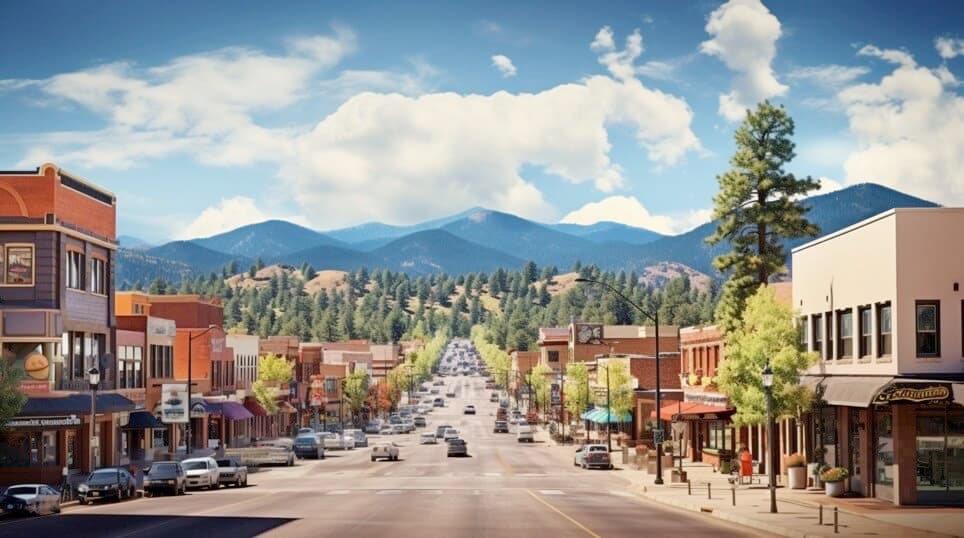
Flagstaff, often celebrated as the City in the Pines, presents a unique blend of natural beauty and urban convenience, making it a captivating place to live. This Arizona city is renowned for its stunning landscapes, including lush pine forests and nearby mountain ranges, which provide a picturesque backdrop to its lively urban center.
Flagstaff snapshot
| Aspect | Details |
|---|---|
| Average Home Price | $630,888 |
| Cost of Living | 95.511 Regional Price Parity (RPP for the US is 100, lower = lower than average, higher = higher than average) |
| Crime | 40 incidents per 1,000 residents (Average crime rate in the US is 23.48 per 1,000 residents (FBI, US Census)) |
| Weather | Four distinct seasons with cool to cold winters averaging 45 °F and warm summers averaging 80 °F; average annual snowfall of 97 inches |
Flagstaff healthcare
Flagstaff, Arizona, boasts a robust healthcare landscape characterized by its well-equipped medical facilities and a strong network of healthcare professionals. This mountain town is committed to providing excellent medical services to its residents, offering advanced care in a scenic and tranquil setting.
| Category | Details |
|---|---|
| Flagstaff Hospitals | Flagstaff is home to several notable hospitals, including Flagstaff Medical Center, which is rated high-performing in multiple adult procedures and conditions. |
| Other Notable Hospitals | Other significant healthcare facilities in Flagstaff include Northern Arizona Healthcare and North Country HealthCare, offering a range of services and specialties. |
Flagstaff walkability
Flagstaff, Arizona, while generally considered moderately walkable, features diverse neighborhoods with varying degrees of walkability, offering a blend of urban convenience and pedestrian-friendly areas.
| Category | Details |
|---|---|
| Overall Walkability | Flagstaff has an average Walk Score of 39, indicating that some errands can be accomplished on foot, but a car may be needed for others. |
| Neighborhood Variability | The walkability in Flagstaff varies significantly across different neighborhoods. Downtown Flagstaff is a walker’s paradise with locations like North Leroux Street scoring around 90. The Southside Neighborhood, known for its historic and cultural significance, also boasts good walkability, with areas like North 1st Street scoring around 78. Woodlands Village, while more car-dependent, offers some walkable spots like West Elm Avenue with a Walk Score of 81. These areas provide a more pedestrian-friendly environment compared to other parts of the city. |
Flagstaff education
Flagstaff, Arizona, not only offers a scenic mountain town experience but also boasts a strong educational system, highlighted by high-ranking schools known for their academic rigor and diverse educational programs.
| Category | Details |
|---|---|
| Top High Schools | Flagstaff is home to several top-performing high schools, including Northland Preparatory Academy, Flagstaff Arts and Leadership Academy, and BASIS Flagstaff, all known for their academic excellence. |
| Overall School Performance | In Flagstaff, Arizona, the public school system is enriched by several high-performing schools. These include Flagstaff High School and Coconino High School, among others, all known for their strong academic programs and commitment to educational excellence. The Flagstaff Unified School District and various charter schools in the area contribute to a diverse and robust educational landscape. |
Flagstaff jobs and economy
Flagstaff, Arizona, is experiencing a period of economic growth and vitality, marked by notable job market expansion, competitive average annual salaries, promising future job growth projections, and a stable unemployment rate.
| Category | Details |
|---|---|
| Job Market Growth | Flagstaff has seen a job market increase of 2.0% over the last year. |
| Average Annual Salary | The average annual salary in Flagstaff is $58,933 |
| Future Job Growth | Future job growth in Flagstaff over the next ten years is predicted to be 37.8%, which is higher than the US average. |
| Recent Trends | Flagstaff’s unemployment rate is currently at 4.50%, indicating a stable job market. |
| Attractiveness to New Residents | The growing job market and economic opportunities in Flagstaff are attracting new residents, contributing to the city’s development. |
| Overall Economic Strength | Flagstaff is recognized for its diverse economy and business-friendly environment, with significant investments in various sectors and a strong forecast for future growth. |
Financial Tools for Living in Arizona
Thinking about settling in the Grand Canyon State? Whether you’re buying a home in Phoenix, remodeling in Tucson, or simply need extra funds, these Arizona-specific financial guides can help you make informed decisions:
- 🏠 Best Mortgage Lenders in Arizona – Explore competitive mortgage offers to finance your new home with confidence.
- 💳 Best Personal Loans in Arizona – Compare top-rated lenders offering personal loans to Arizona residents.
- 🔁 Best HELOC Rates in Arizona – Leverage your home’s equity with flexible and affordable HELOC options.
These resources are designed to support your financial journey as you build your life in Arizona.
FAQ
What makes Phoenix a desirable city to live in?
Phoenix, as the state capital and largest city in Arizona, offers a unique blend of urban amenities and natural beauty. It’s known for its vibrant job market, diverse cultural scene, and year-round sunny weather. The city’s affordability compared to other major metropolitan areas in the U.S. also makes it an attractive option for many.
How does Tucson’s cultural heritage enhance its livability?
Tucson is celebrated for its rich cultural heritage, influenced by Native American, Mexican, and Spanish histories. This cultural depth contributes to the city’s unique identity, offering residents a variety of cultural events, historic sites, and a vibrant arts scene. Tucson’s affordability and proximity to natural landscapes like the Sonoran Desert also add to its appeal.
Is Flagstaff a good choice for outdoor enthusiasts?
Flagstaff is an ideal location for outdoor enthusiasts, thanks to its proximity to the Grand Canyon and other natural attractions. The city offers a cooler climate compared to other Arizona cities, making it perfect for year-round outdoor activities. Its small-town charm combined with the presence of Northern Arizona University creates a vibrant community atmosphere.
How does walkability vary across different Arizona cities?
Walkability in Arizona cities varies widely. Downtown areas of cities like Phoenix and Tucson offer higher walkability, with amenities and workplaces within walking distance. In contrast, suburban areas and smaller cities like Flagstaff may require a car for most errands, although they often feature specific walkable neighborhoods.
What are the key factors to consider when choosing a city to live in Arizona?
When choosing a city to live in Arizona, consider factors such as climate, job opportunities, cost of living, educational facilities, healthcare services, and recreational activities. Cities like Phoenix and Tucson offer urban amenities and job opportunities, while Flagstaff provides a more laid-back lifestyle with access to outdoor activities. Each city has its unique charm and set of advantages.
Key Takeaways
- Urban and Natural Harmony: Arizona uniquely blends urban sophistication with natural beauty, offering a lifestyle that combines modern advancements with traditional values.
- Diverse City Profiles: Phoenix excels in urban amenities and a vibrant job market, Tucson is rich in cultural heritage, and Flagstaff offers outdoor appeal and educational opportunities.
- Healthcare Excellence: Cities like Phoenix and Tucson are home to top-notch healthcare facilities, such as Mayo Clinic-Phoenix and Banner – University Medical Center Tucson.
- Economic Growth and Education: These cities are experiencing economic vitality with promising job markets and robust educational systems, making them attractive for new residents and families.
Share this post:
Add as a preferred source on Google
Table of Contents