
Best Cities To Live In Indiana (2026 Guide)

Last updated 07/15/2025 by
Benjamin Locke
Edited by
Andrew Latham
Summary:
Living in Indiana offers a diverse experience, combining rich history, cultural influences, and a robust economy. Cities like Indianapolis and South Bend blend historical charm with modernity, while Carmel provides a family-friendly environment. Indiana is characterized by its quality education systems, dynamic economies with diverse job opportunities, and a range of recreational and cultural amenities.
Steeped in a history that traces back to the early Native American and frontier settlements, Indiana is a tapestry of various cultural influences, creating a distinctive Midwestern culture known for its hospitality and deep-rooted traditions. From the bustling city life in Indianapolis to the serene landscapes of its rural areas, Indiana blends modernity with historical charm, offering residents a diverse and enriching living experience. These three cities are the best places to check out when considering a move to the great state of Indiana.
Get Competing Personal Loan Offers In Minutes
Compare rates from multiple vetted lenders. Discover your lowest eligible rate.
It's quick, free and won’t hurt your credit score
Best cities to live in Indiana
Indianapolis

Founded as Indiana’s state capital in 1821, Indianapolis, originally designed as a planned city for the new seat of Indiana’s state government, has grown into a dynamic metropolis. This vibrant city uniquely merges its historical significance, dating back to its early days as a transportation and manufacturing hub, with a progressive outlook, captivating visitors and residents alike.
Indianapolis snapshot
| Aspect | Details |
|---|---|
| Average Home Price | $217,513 |
| Cost of Living | 93.708 Regional Price Parity (RPP for the US is 100, lower = lower than average, higher = higher than average) (Part of the Indianapolis-Carmel-Anderson Metro Area, BEA) |
| Crime | 36.2 incidents per 1,000 residents (Average crime rate in the US is 23.48 per 1,000 residents (FBI, US Census)) |
| Weather | Hot, humid summers and cold, snowy winters; average July temperature 75.4 °F; winters with moderate snowfall |
Indianapolis healthcare
Despite Indiana’s varied healthcare landscape, it stands out with its top-ranked hospitals.
| Category | Details |
|---|---|
| Indianapolis Hospitals | Indiana University Health Medical Center is highly recognized and ranked #1 in Indianapolis, known for its excellence in various specialties. |
| Other Notable Hospitals | Other hospitals in Indianapolis, such as Ascension St. Vincent Hospital and Eskenazi Health, also receive high rankings and are known for their comprehensive healthcare services. |
Indianapolis walkability
Indianapolis presents a diverse walkability landscape, with an average Walk Score of 31, suggesting mixed accessibility on foot. However, certain areas shine as highly walkable, and the city’s varied neighborhoods contribute to its overall walkability profile.
| Category | Details |
|---|---|
| Overall Walkability | Indianapolis has an average Walk Score of 31, indicating that most errands require a car, but some areas are more walkable. |
| Highly Walkable Areas | Certain locations in Indianapolis, like Downtown, have high Walk Scores, indicating a more walkable urban environment. Downtown Indianapolis, for example, has a Walk Score of 81. |
| Neighborhood Variability | Near Northside and Broad Ripple Village neighborhoods are somewhat walkable, with scores of 66 and 65, offering a mix of residential spaces and local amenities. Similarly, Meridian-Kessler, Chatard, Garfield Park, and Near Eastside, with walkability scores ranging from 60 to 52, combine residential areas with some walkable spots featuring parks and local businesses. |
| City Ranking | Indianapolis is ranked as the 47th most walkable large city in the US, with some neighborhoods offering a pedestrian-friendly environment. |
Indianapolis education
Indianapolis’s education landscape showcases a blend of high-ranking school districts and top-performing public schools amidst a broader Indiana context that emphasizes quality education.
| Category | Details |
|---|---|
| Indianapolis Area School Districts | In the Indianapolis metro area, several school districts are highly ranked. Current rankings are very positive, based on stats, test scores, and district ratings, with districts like Carmel Clay Schools and Zionsville Community Schools being notable. |
| High Schools in Indianapolis | U.S. News & World Report lists the best high schools in the Indianapolis area, highlighting schools like Carmel High School and Zionsville Community High School for their academic excellence. |
| Public School Performance | Indiana’s public schools focus on delivering quality education, with Indianapolis having several schools that stand out for their performance. |
| Top Public Schools in Indianapolis | Specific schools in Indianapolis, such as Merle Sidener Gifted Academy and Center for Inquiry School 84, are highly ranked for their performance and educational quality. |
Indianapolis jobs and economy
Indianapolis’s dynamic economy, marked by a growing job market, competitive salaries, and robust future job growth projections, positions it as a significant economic hub in the Midwest.
| Category | Details |
|---|---|
| Job Market Growth | The total nonfarm employment in Indianapolis has reached 1,190.1 thousand, showing a 2.6% increase over the past 12 months. |
| Average Annual Salary | The average annual salary in Indianapolis is $68,719. (Part of the Indianapolis-Carmel-Anderson Metro Area, BEA) |
| Future Job Growth | Indianapolis metro area expects a 0.8% real GDP growth this year, with unemployment projected to be around 3.0% in the city. |
| Recent Trends | Key sectors like construction, manufacturing, leisure, and hospitality have shown positive 12-month percentage changes in employment. |
| Attractiveness to New Residents | Indianapolis’ diverse economy and growth in key sectors make it an attractive location for new residents seeking employment opportunities. |
| Overall Economic Strength | Despite global economic challenges, Indianapolis maintains a strong and diverse economy with potential for future growth and development. |
South Bend
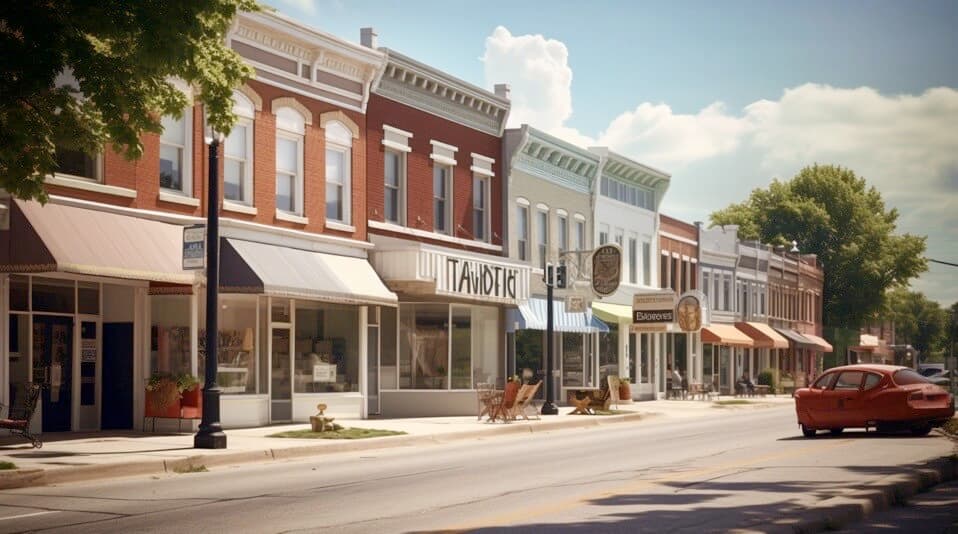
Founded on the southernmost bend of the St. Joseph River, South Bend, Indiana, has a rich history that dates back to its incorporation in 1865. Known for its industrial heritage and as the home to the prestigious University of Notre Dame, South Bend offers a blend of cultural richness, historical significance, and a forward-looking spirit, making it an appealing destination for residents and visitors.
South Bend snapshot
| Aspect | Details |
|---|---|
| Average Home Price | $168,507 |
| Cost of Living | 92.188 Regional Price Parity (RPP for the US is 100, lower = lower than average, higher = higher than average) |
| Crime | 47.25 incidents per 1,000 residents (Average crime rate in the US is 23.48 per 1,000 residents (FBI, US Census)) |
| Weather | South Bend, located closer to the Great Lakes, experiences a more pronounced lake-effect climate, with cooler summers, harsher winters, and heavier snowfall, creating a unique weather experience distinct from its southern counterparts. |
Pro Tip
“The cost of living is of major importance when people are looking to move. Depending on your career path and how badly you want to live in an area, it would determine your spending habits and the type of home you purchase. Individuals should consider a small starter home when evaluating housing options. Buying a fixer-upper isn’t the worst thing in the world and can be fun to fix up as a family. It will also make it clear what you want in a house and neighborhood when you move again”. – Dustin Sitar, CEO, The Groom Club
South Bend healthcare
Despite Indiana’s varied rankings in healthcare, South Bend stands out with its notable hospitals. Memorial Hospital of South Bend is a key healthcare provider in the city, recognized for its high performance in several adult procedures and conditions. It is a general medical and surgical facility that plays a significant role in the healthcare landscape of South Bend.
| Category | Details |
|---|---|
| South Bend Hospitals | Memorial Hospital of South Bend is highly rated, particularly in adult procedures and conditions. It is a comprehensive medical and surgical facility in South Bend. |
| Other Notable Hospitals | Other hospitals in South Bend, such as Saint Joseph Regional Medical Center, also contribute significantly to the healthcare services in the area. |
South Bend walkability
South Bend, Indiana, presents a varied landscape in terms of walkability. With an average Walk Score of 42, it suggests that some areas of the city are more accessible on foot than others. While not as walkable as some larger cities, South Bend offers pockets of neighborhoods where walking is more feasible and enjoyable.
| Category | Details |
|---|---|
| Overall Walkability | South Bend has an average Walk Score of 42, indicating that some errands can be accomplished on foot, but a car may be needed for others. |
| Highly Walkable Areas | Certain locations in South Bend, like Downtown South Bend, have higher Walk Scores, suggesting better walkability. |
| Neighborhood Variability | Walkability in South Bend varies significantly by neighborhood. Areas like the Near West Side and Downtown South Bend are more walkable. |
| City Ranking | South Bend is recognized for its walkability among smaller metro areas, offering a blend of urban and suburban feel. |
South Bend education
In South Bend, Indiana, the educational landscape is characterized by a robust mix of public and private schooling options, catering to a diverse student population. The city’s schools, ranging from elementary to high school levels, are known for their commitment to providing quality education and fostering academic excellence.
| Category | Details |
|---|---|
| South Bend Area School Districts | South Bend Community School Corporation is the primary school district, offering diverse educational programs and facilities. |
| High Schools in South Bend | High schools in South Bend, such as Penn High School, are recognized for their educational quality. |
| Public School Performance | South Bend’s public schools offer a range of educational experiences with varying performance levels across the district. |
| Top Public Schools in South Bend | Notable public schools in South Bend include Meadow’s Edge Elementary School, known for its strong educational programs. |
South Bend jobs and economy
South Bend, Indiana, showcases a growing and resilient job market, with recent data indicating positive trends in employment and economic development. The city’s economy, while smaller than major urban centers, is marked by stability and potential for future growth.
| Category | Details |
|---|---|
| Job Market Growth | The total nonfarm employment in the South Bend-Mishawaka MSA has seen a steady increase. As of the latest data, it stands at 141.9 thousand, reflecting a 1.2% change over the past 12 months. |
| Average Annual Salary | The average annual salary in South Bend is $56,410. |
| Future Job Growth | Predictions for future job growth in South Bend are optimistic, with expectations of continued economic development. The higher share of manufacturing employment in the South Bend-Mishawaka MSA suggests that the local job market could be more vulnerable to economic contractions. |
| Recent Trends | Despite global economic challenges, South Bend’s job market has shown resilience, with a steady unemployment rate and ongoing job creation. |
| Attractiveness to New Residents | South Bend’s growing economy and job market make it an attractive location for new residents seeking employment opportunities. |
| Overall Economic Strength | While not as large as major urban economies, South Bend’s economy is stable and shows potential for future growth and development. |
Carmel
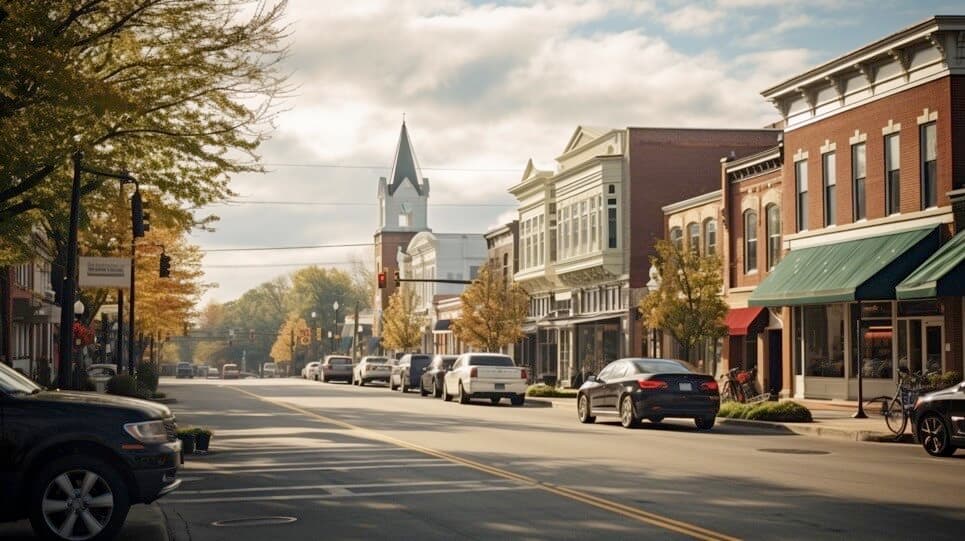
Founded as a Quaker community in the early 1800s, Carmel, Indiana, has evolved from its humble beginnings into a vibrant and affluent suburb of Indianapolis. Known for its high quality of life, excellent schools, and community-oriented atmosphere, Carmel captivates residents and visitors alike with its blend of modern amenities and charming, family-friendly environment.
Carmel snapshot
| Aspect | Details |
|---|---|
| Average Home Price | $519,541 |
| Cost of Living | 93.708 Regional Price Parity (RPP for the US is 100, lower = lower than average, higher = higher than average) (Part of the Indianapolis-Carmel-Anderson Metro Area, BEA) |
| Crime | 7.22 incidents per 1,000 residents (Average crime rate in the US is 23.48 per 1,000 residents (FBI, US Census)) |
| Weather | Carmel has a humid subtropical climate with warm to hot summers and cold winters, providing residents with a full range of seasonal experiences, from snowy winter landscapes to lush, green summers. |
Carmel healthcare
Carmel, Indiana, boasts a strong healthcare system with several top-ranked hospitals and medical facilities. These institutions are known for their high-quality care, advanced medical technology, and comprehensive services, contributing significantly to the overall health and well-being of the community.
| Category | Details |
|---|---|
| Carmel Hospitals | Carmel is home to notable hospitals like IU Health North Hospital and Ascension Saint Vincent Carmel, both renowned for their exceptional healthcare services. |
| Other Notable Hospitals | Other healthcare facilities in Carmel, such as Franciscan Health Carmel and Indiana Spine Hospital, also contribute to the city’s robust healthcare landscape. |
Carmel walkability
Carmel, Indiana, offers a unique walkability experience, with certain areas designed to be more pedestrian-friendly. While the overall city may not be as walkable as some larger urban centers, Carmel has made strides in creating walkable neighborhoods and green spaces, enhancing the quality of life for its residents.
| Category | Details |
|---|---|
| Overall Walkability | Carmel has an average Walk Score of 19, indicating a general dependence on cars for most errands. |
| Highly Walkable Areas | Areas such as the Village of West Clay and the Arts and Design District are more pedestrian-friendly, offering a walkable urban experience. |
| Neighborhood Variability | Walkability in Carmel shows significant variation: Brookshire is among the most walkable neighborhoods, while others, like Plum Creek, offer somewhat bikeable options. |
| City Ranking | Carmel is not typically ranked among the top walkable cities nationally, but it is recognized for its urban design efforts, particularly in creating pedestrian-friendly zones in select neighborhoods. |
Carmel education
Carmel, Indiana, boasts a highly regarded education system characterized by its top-performing public schools and strong school district. The city’s commitment to educational excellence is evident in the high rankings of its schools and the variety of educational opportunities available to students.
| Category | Details |
|---|---|
| Carmel Area School Districts | Carmel Clay Schools is a top-rated public school district, serving approximately 16,000 students across various schools. |
| High Schools in Carmel | Carmel High School, for instance, is highly ranked within Indiana, offering Advanced Placement coursework and exams. |
| Public School Performance | The public schools in Carmel are known for their high performance, with a strong emphasis on academic excellence and student achievement. |
| Top Public Schools in Carmel | Schools like Carmel Elementary, Cherry Tree Elementary, and Carmel High School are recognized for their outstanding educational programs. |
Carmel jobs and economy
Carmel, Indiana, continues to exhibit a stable and growing economy, marked by a healthy job market and promising economic indicators. The city’s economic landscape is characterized by diverse employment opportunities and a commitment to fostering a robust local economy.
| Category | Details |
|---|---|
| Job Market Growth | Carmel has seen a job market increase of 2.5% over the last year, with future job growth over the next ten years predicted to be 43.8%. |
| Average Annual Salary | The average annual salary in Carmel is $68,719. (Part of the Indianapolis-Carmel-Anderson Metro Area, BEA) |
| Future Job Growth | Future job growth in Carmel is expected to be positive, with estimates suggesting an annual rate of 2.9% from 2021-2024. |
| Recent Trends | Despite broader economic challenges, Carmel’s job market remains resilient, with a low unemployment rate and a diverse range of job sectors. |
| Attractiveness to New Residents | The strong job market and economic stability in Carmel are key factors attracting new residents and businesses to the area. |
| Overall Economic Strength | Carmel’s economy is robust, with a diverse range of industries contributing to its overall economic health and growth. |
Our methodology
In our methodology for identifying the best places to live in a state, we adopt a comprehensive and data-driven approach, relying on a variety of trusted and authoritative sources to compile our rankings. This process is outlined in the following steps:
Economic Data Analysis: We gather robust economic statistics from esteemed sources such as the U.S. Bureau of Labor Statistics and the Bureau of Economic Analysis. These agencies provide us with critical data on employment rates, income levels, job growth, and other economic indicators that contribute significantly to the quality of life in an area.
Employment Opportunities: In addition to general economic data, we specifically examine employment statistics from the Bureau of Labor Statistics. This includes examining trends in job growth, the diversity of industries present, and the stability of employment in different regions, which are vital factors in determining a place's economic health and attractiveness.
Crime Rate Assessment: For understanding the safety and security of a place, we utilize data from the FBI’s Crime Data Explorer. This tool offers detailed insights into various types of crime rates, including both property and violent crimes, allowing us to assess the safety of a community comprehensively.
Housing Market Evaluation: Housing affordability and market trends are key components of our analysis. We primarily use Zillow.com for up-to-date and detailed information on house prices, trends in the housing market, and the overall affordability of living in different areas. When necessary, we also consult other reliable sources to validate and enrich our data.
Additional Quality of Life Factors: Recognizing that quality of life is influenced by a variety of factors, we also incorporate data from other official and reputable sources. This includes information on education quality, healthcare accessibility, environmental quality, transportation infrastructure, and recreational opportunities, among others.
Data Integration and Analysis: Upon gathering data from these diverse sources, we integrate and analyze it to provide a holistic view of each location. Our analysis involves not only looking at the raw numbers but also understanding the context and relative significance of each data point.
Top Financial Tools for Living in Indiana
Moving to the Hoosier State? Whether you’re buying a house in Indianapolis, renovating a home in Fort Wayne, or covering major expenses, these Indiana-specific financial resources can help you make informed decisions:
- 🏠 Best Mortgage Lenders in Indiana – Compare the best mortgage lenders offering competitive rates across Indiana.
- 💳 Best Personal Loans in Indiana – Find trusted personal loan options tailored to Indiana residents.
- 🔁 Best HELOC Rates in Indiana – Access your home equity with flexible and affordable HELOC solutions.
Use these guides to confidently manage your finances as you put down roots in Indiana.
FAQ
What is the overall cost of living like in Indiana?
The cost of living in Indiana is generally lower than the national average. This affordability is seen across various regions, with lower housing costs being a significant factor. Indiana’s cost of living is attractive, especially in suburban areas like Carmel and Fishers, which offer a balance of affordability and quality amenities.
How is the weather in Indiana?
Indiana experiences a continental climate with four distinct seasons. Summers are warm and humid, while winters can be cold and snowy. Spring and fall bring mild temperatures and are generally pleasant. This climate allows residents to enjoy a variety of seasonal activities throughout the year.
What are the best neighborhoods for families in Indiana?
Carmel and Fishers are often ranked among the best places for families in Indiana. These areas are known for their excellent school systems, low crime rates, and family-friendly amenities. Other notable family-friendly neighborhoods include Zionsville and Westfield, which offer a mix of suburban charm and modern conveniences.
What job opportunities are available in Indiana’s top cities?
Indiana’s top cities, like Indianapolis and Fort Wayne, offer diverse job opportunities, particularly in industries such as healthcare, education, manufacturing, and technology. The state’s economy is growing, with an increasing number of opportunities in both urban and suburban areas.
How do recreational and cultural amenities enhance living in Indiana?
Indiana offers a rich array of recreational and cultural amenities that enhance its livability. From the vibrant arts scene and sports culture in Indianapolis to the outdoor activities available in areas like Bloomington and the shores of Lake Michigan, there’s a wide range of activities to suit various interests and lifestyles.
Key takeaways
- Diverse Living Experiences: Indiana offers a range of living experiences, from the dynamic urban life in Indianapolis to the historical charm of South Bend and the family-friendly environment of Carmel.
- Quality Education Systems: Cities like Indianapolis and Carmel are known for their high-ranking school districts and top-performing public schools, emphasizing the state’s focus on quality education.
- Economic Growth and Job Opportunities: Indiana’s cities, particularly Indianapolis and Carmel, showcase growing economies with diverse job opportunities and competitive salaries, attracting new residents and businesses.
- Recreational and Cultural Amenities: Indiana’s cities offer a variety of recreational and cultural amenities, enhancing the quality of life with activities ranging from outdoor adventures to vibrant arts and cultural scenes.
Share this post:
Add as a preferred source on Google
Table of Contents