
Best Cities To Live In Iowa (2026 Guide)

Last updated 03/19/2024 by
Benjamin Locke
Edited by
Andrew Latham
Summary:
Iowa epitomizes the Midwest’s blend of traditional values and modern lifestyle. Its cities, including Des Moines, Iowa City, and Ames, offer a mix of urban and small-town experiences, each with unique cultural richness.
Iowa, nestled in the heart of the American Midwest, is a state where traditional values blend seamlessly with modern living. Its landscape, marked by rolling plains and picturesque cornfields, symbolizes the rich agricultural heritage that defines its character. These three cities are the best places to live in Iowa.
Get Competing Personal Loan Offers In Minutes
Compare rates from multiple vetted lenders. Discover your lowest eligible rate.
It's quick, free and won’t hurt your credit score
Best cities to live in Iowa
Des Moines
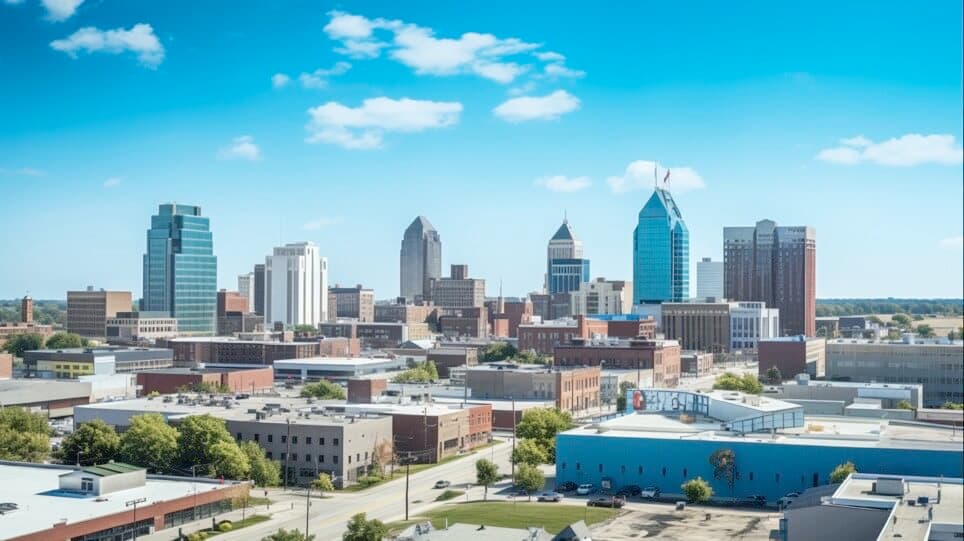
Established in 1843, Des Moines, Iowa, began as a military outpost at the juncture of the Des Moines and Raccoon Rivers. Today, it stands as the state’s vibrant capital, weaving together its early pioneer roots with a modern and energetic vibe. This city draws both residents and visitors with its blend of rich history and contemporary urban development.
Des Moines snapshot
| Aspect | Details |
|---|---|
| Average Home Price | $305,719 |
| Cost of Living | 92.090 Regional Price Parity (RPP for the US is 100, lower = lower than average, higher = higher than average) |
| Crime | 38.21 incidents per 1,000 residents (Average crime rate in the US is 23.48 per 1,000 residents (FBI, US Census)) |
| Weather | Des Moines experiences a humid continental climate with hot summers and cold winters, with significant seasonal variations in temperature. |
Pro Tip
“The cost of living is huge when it comes to where you should live. Small towns are more likely to be more lenient in terms of fees and costs, but big towns are not so much. In my opinion, choose your poison, without sounding too negative, there are pros and cons for both”. – David Bakke, Travel Expert at DollarSanity
Des Moines healthcare
Des Moines, Iowa, stands as a beacon of healthcare excellence in the Midwest. With a range of top-ranked hospitals and medical centers, the city offers exceptional healthcare services to its residents.
| Category | Details |
|---|---|
| Des Moines Hospitals | MercyOne Des Moines Medical Center is a highlight in Des Moines, consistently recognized for its high-quality care and services. It has been named among the best hospitals in Des Moines by U.S. News & World Report. |
| Other Notable Hospitals | UnityPoint Health-Iowa Methodist Medical Center and Blank Children’s Hospital are also key healthcare facilities in Des Moines, offering a wide range of medical services and specialties. |
| Healthcare Recognition | Des Moines hospitals have received accolades for their services, with MercyOne Des Moines Medical Center being named to Newsweek’s World’s Best Hospitals 2022 list. |
| Healthcare Services | The city’s healthcare system encompasses specialized care, including behavioral health at Clive Behavioral Health and comprehensive services at Broadlawns Medical Center. |
Des Moines walkability
Des Moines, the dynamic capital of Iowa, is increasingly recognized for its walkable neighborhoods. Each area within the city offers its own unique pedestrian experience, contributing to the overall charm and accessibility of Des Moines.
| Category | Details |
|---|---|
| Overall Walkability | Des Moines has an average Walk Score of 45, indicating moderate walkability with some areas being more pedestrian-friendly. |
| Highly Walkable Areas | Downtown (Walk Score of 77), East Village, Drake Neighborhood. |
| Neighborhood Variability | Walkability varies significantly across neighborhoods. Downtown and East Village offer urban walkability, while areas like Sherman Hill and Ingersoll Avenue provide a more residential pedestrian experience. |
| City Ranking | Des Moines is developing its walkability, with certain neighborhoods standing out for their pedestrian-friendly environments. |
Des Moines education
Des Moines showcases a robust education system with a blend of high-performing school districts and public schools. This reflects a commitment to educational excellence in a state known for its strong educational foundations.
| Category | Details |
|---|---|
| Des Moines Area School Districts | In the Des Moines metro area, several school districts are highly regarded. Notable districts include Ankeny Community School District and Waukee Community School District, both known for their academic excellence. |
| High Schools in Des Moines | U.S. News & World Report lists several top high schools in Des Moines, with Roosevelt High School and Lincoln High School being among the best for their academic performance and college readiness. |
| Public School Performance | Iowa’s public schools, including those in Des Moines, are known for their strong performance, with several schools achieving high ratings in state assessments. |
| Top Public Schools in Des Moines | Des Moines boasts several high-performing public schools, such as Cowles Elementary School and Delaware Elementary School, both recognized for their educational quality. |
Des Moines jobs and economy
Des Moines, Iowa, is emerging as a significant player in the Midwestern economy, characterized by a robust job market, competitive salaries, and promising projections for future job growth.
| Category | Details |
|---|---|
| Job Market Growth | The Des Moines-West Des Moines metropolitan area has experienced positive job market growth, with an increase in nonfarm employment over recent years. |
| Average Annual Salary | The average annual salary in Des Moines is $64,401. |
| Future Job Growth | Future job growth in Des Moines over the next ten years is predicted to be around 37.4%, which is higher than the national average, indicating a thriving job market. |
| Recent Trends | Des Moines maintains a healthy job market, though there are slight fluctuations in unemployment rates. The city continues to have more job openings than unemployed workers. |
| Attractiveness to New Residents | The strong job market in Des Moines is a key factor in attracting new residents, contributing to the city’s overall growth and development. |
| Overall Economic Strength | Des Moines is recognized for its economic resilience, with major industries including financial services, insurance, and government, contributing to its robust economy. |
Iowa City
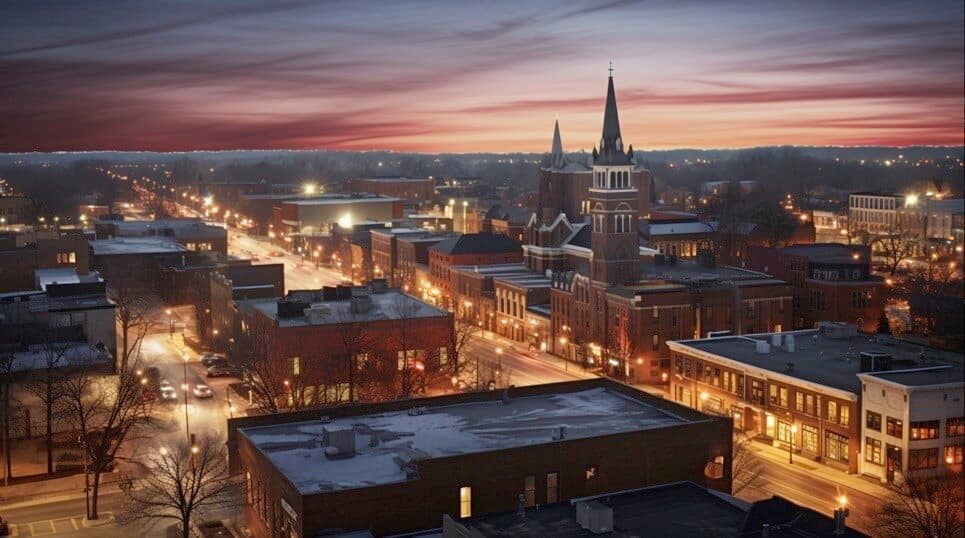
Iowa City, renowned as a hub of culture and education, stands as the proud home of the University of Iowa. This city is not only celebrated for its vibrant literary scene, recognized as a UNESCO City of Literature, but also for its rich history and diverse cultural offerings. Iowa City’s blend of academic atmosphere and artistic energy creates a unique environment that attracts students, professionals, and families alike.
Iowa City snapshot
| Aspect | Details |
|---|---|
| Average Home Price | $273,287 |
| Cost of Living | 91.338 Regional Price Parity (RPP for the US is 100, lower = lower than average, higher = higher than average) |
| Crime24.09 | 24.09 incidents per 1,000 residents. (Average crime rate in the US is 23.48 per 1,000 residents (FBI, US Census)) |
| Weather | Experiences a humid continental climate, characterized by warm, humid summers and cold, snowy winters, offering a distinct seasonal change that highlights the natural beauty of the Midwest. |
Pro Tip
The current housing market in Iowa is experiencing a period of high demand coupled with low supply, which is driving housing prices upward. This seller’s market is largely due to a combination of low interest rates and a significant influx of out-of-state buyers seeking more affordable living costs compared to the national average. Despite being more affordable compared to other states, the escalating prices are gradually impacting the affordability of housing for many Iowa residents”. – Rachel Sanchez, founder of Travel Bug Rachel
Iowa City healthcare
Iowa City, known for its educational institutions, also stands out for its exceptional healthcare facilities.
| Category | Details |
|---|---|
| Iowa City Hospitals | The University of Iowa Hospitals and Clinics (UIHC) in Iowa City is nationally recognized, ranking high in several specialties. It is consistently rated as the top hospital in Iowa. |
| Other Notable Hospitals | Other healthcare facilities in Iowa City, such as Mercy Iowa City, also contribute significantly to the city’s healthcare landscape, offering a range of medical services and specialties. |
| National Recognition | UIHC has been ranked in the top 50 of more than 4,750 medical centers nationwide in various specialties, including ophthalmology, ear, nose and throat, gynecology, and cancer. |
| Healthcare Services | Iowa City’s healthcare system is known for its comprehensive services, advanced medical research, and patient care, making it a leading healthcare hub in the region. |
Iowa City walkability
Iowa City, known for its vibrant cultural scene and strong educational presence, offers a diverse walkability landscape. While not as high as some major cities, its walkability score reflects a community where many errands can be accomplished on foot, especially in certain areas.
| Category | Details |
|---|---|
| Overall Walkability | Iowa City has an average Walk Score of 45, indicating that some errands can be accomplished on foot, but a car may be needed for others. |
| Highly Walkable Areas | Certain neighborhoods in Iowa City, like the Longfellow neighborhood and the downtown area, are more walkable, with the downtown area boasting a high Walk Score of 95. |
| Neighborhood Variability | Walkability in Iowa City varies significantly by neighborhood. Areas closer to the University of Iowa and the downtown district tend to be more pedestrian-friendly. |
| City Ranking | While Iowa City’s overall walkability is moderate, it is often recognized as one of the more walkable cities in Iowa. |
Iowa City education
Iowa City, renowned for its strong educational presence, particularly with the University of Iowa, also boasts a robust primary and secondary education system. This contrasts with the broader challenges faced by some states in public school performance.
| Category | Details |
|---|---|
| Iowa City Area School Districts | The Iowa City Community School District is highly regarded, with schools like Wickham Elementary and Lincoln Elementary School known for their educational excellence. |
| High Schools in Iowa City | U.S. News & World Report lists several top high schools in Iowa City, including West Senior High School, which is recognized for its academic performance and college readiness. |
| Public School Performance | Iowa’s public schools, including those in Iowa City, generally rank well in national comparisons, reflecting the state’s commitment to quality education. |
| Top Public Schools in Iowa City | Notable public schools in Iowa City, such as Bohumil Shimek Elementary School and Helen Lemme Elementary School, are highly ranked for their performance. |
Iowa City jobs and economy
Iowa City, known for its educational and cultural vibrancy, also presents a steady and growing economy. While it may not match the scale of major economic hubs like Atlanta, its job market and economic indicators show positive trends.
| Category | Details |
|---|---|
| Job Market Growth | The job market in Iowa City has seen an increase, with a 1.2% growth over the last year. This indicates a steadily growing job market. |
| Average Annual Salary | The average annual salary in Iowa City is 64,399 |
| Future Job Growth | Future job growth in Iowa City over the next ten years is predicted to be 29.5%, which, while lower than some major cities, still indicates a healthy job market. |
| Recent Trends | Iowa City’s job market remains stable with a low unemployment rate, currently at 1.9%, reflecting a strong local economy. |
| Attractiveness to New Residents | The stable job market and quality of life in Iowa City continue to attract new residents, contributing to the city’s growth and development. |
| Overall Economic Strength | While not as large as some major cities, Iowa City’s economy is robust, supported by a strong educational sector and a growing job market. |
Ames
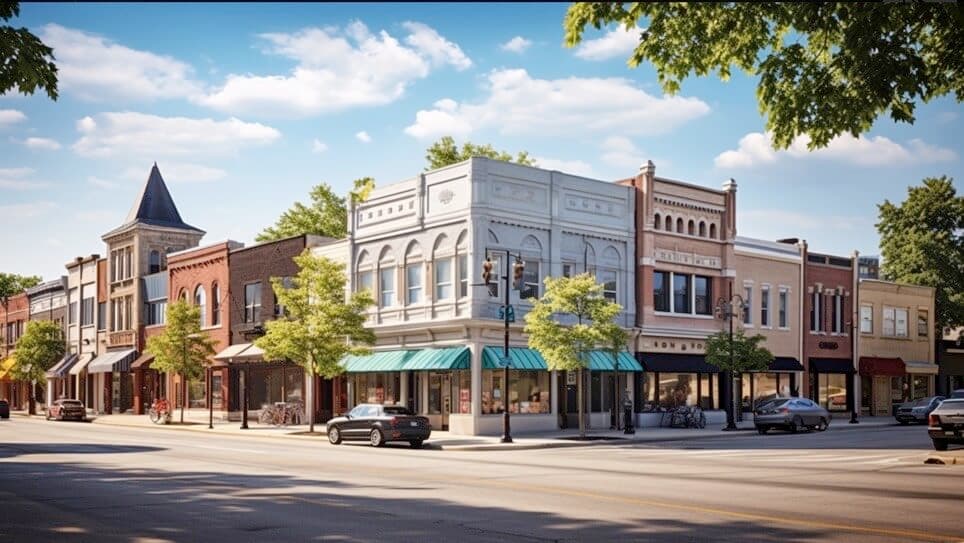
Ames, Iowa, rapidly developed into a vibrant city, significantly shaped by the establishment of Iowa State University in 1858. Renowned for its academic excellence and research contributions, particularly in agriculture, engineering, and design, Ames today is a fusion of educational vigor and community spirit.
Ames snapshot
| Aspect | Details |
|---|---|
| Average Home Price | $242,577 |
| Cost of Living | 88.450 Regional Price Parity (RPP for the US is 100, lower = lower than average, higher = higher than average) |
| Crime | 17.48 per 1,000 residents(Average crime rate in the US is 23.48 per 1,000 residents (FBI, US Census)) |
| Weather | Ames enjoys a similar humid continental climate with distinct seasons, featuring hot summers and cold, often snowy winters, typical of the heartland’s diverse weather patterns. |
Ames healthcare
Ames, Iowa, while smaller than major cities like Atlanta, still offers notable healthcare services with its well-regarded hospitals and medical facilities.
| Category | Details |
|---|---|
| Ames Hospitals | Mary Greeley Medical Center in Ames is recognized for its high performance in various adult procedures and conditions, making it a key healthcare provider in the city. |
| Other Notable Hospitals | While Ames may not have the same number of hospitals as a larger city, its medical facilities like McFarland Clinic and Story County Medical Center contribute significantly to local healthcare. |
| Healthcare Services | Ames offers a range of healthcare services, including general medical and surgical care, with a focus on community health and wellness. |
Ames walkability
Ames, Iowa, with its blend of university-town atmosphere and small-city charm, offers a unique walkability experience. While it may not have the extensive walkability of a large city like Atlanta, Ames provides areas that are highly conducive to walking.
| Category | Details |
|---|---|
| Overall Walkability | Ames has a Walk Score of 47, indicating that some errands can be accomplished on foot, but a car may be needed for others. |
| Highly Walkable Areas | Certain areas in Ames, particularly around Iowa State University and the downtown area, are more walkable. For example, the area around 640 Lincoln Way has a Walk Score of 83. |
| Neighborhood Variability | Walkability in Ames varies by neighborhood. Areas with higher density, such as near the university and downtown, tend to be more walkable. |
| City Ranking | While Ames is not ranked as high as major cities in terms of walkability, it still offers a pleasant walking experience in many of its neighborhoods. |
Ames education
Ames, Iowa, known for its strong educational focus, particularly with Iowa State University, also boasts a robust primary and secondary education system. This contrasts with the broader challenges faced by some urban centers in public school performance.
| Category | Details |
|---|---|
| Public School Districts | Ames Community School District offers a range of educational experiences, with schools like Fellows Elementary and Edwards Elementary known for their high performance. |
| Private and Charter Schools | Ames is home to a variety of private and charter schools, providing diverse educational approaches and curriculums to meet different student needs. |
| Higher Education Institutions | Iowa State University, located in Ames, is a major contributor to the local education landscape, offering a wide range of undergraduate and graduate programs. |
Ames jobs and economy
Ames, Iowa, with its strong educational foundation and growing economy, presents a dynamic job market. While it may not have the global economic presence of a city like Atlanta, Ames offers a robust local economy with promising indicators.
| Category | Details |
|---|---|
| Job Market Growth | Ames has experienced a healthy job market increase, with a 2.3% growth over the last year, indicating a positive trend in employment opportunities. |
| Average Annual Salary | The annual average salary for Ames is $50,657. |
| Future Job Growth | Future job growth in Ames is projected to be around 44.70%, significantly higher than the national average, reflecting a robust job market. |
| Recent Trends | Ames has one of the lowest unemployment rates in the country, currently at about 2.7%, showcasing the strength of its local job market. |
| Attractiveness to New Residents | The strong job market and educational opportunities in Ames make it an attractive location for new residents and professionals. |
| Overall Economic Strength | Ames’s economy, bolstered by its educational institutions and growing industries, is strong and offers a stable environment for job seekers and businesses. |
Our methodology
In our methodology for identifying the best places to live in a state, we adopt a comprehensive and data-driven approach, relying on a variety of trusted and authoritative sources to compile our rankings. This process is outlined in the following steps:
Economic Data Analysis: We gather robust economic statistics from esteemed sources such as the U.S. Bureau of Labor Statistics and the Bureau of Economic Analysis. These agencies provide us with critical data on employment rates, income levels, job growth, and other economic indicators that contribute significantly to the quality of life in an area.
Employment Opportunities: In addition to general economic data, we specifically examine employment statistics from the Bureau of Labor Statistics. This includes examining trends in job growth, the diversity of industries present, and the stability of employment in different regions, which are vital factors in determining a place's economic health and attractiveness.
Crime Rate Assessment: For understanding the safety and security of a place, we utilize data from the FBI’s Crime Data Explorer. This tool offers detailed insights into various types of crime rates, including both property and violent crimes, allowing us to assess the safety of a community comprehensively.
Housing Market Evaluation: Housing affordability and market trends are key components of our analysis. We primarily use Zillow.com for up-to-date and detailed information on house prices, trends in the housing market, and the overall affordability of living in different areas. When necessary, we also consult other reliable sources to validate and enrich our data.
Additional Quality of Life Factors: Recognizing that quality of life is influenced by a variety of factors, we also incorporate data from other official and reputable sources. This includes information on education quality, healthcare accessibility, environmental quality, transportation infrastructure, and recreational opportunities, among others.
Data Integration and Analysis: Upon gathering data from these diverse sources, we integrate and analyze it to provide a holistic view of each location. Our analysis involves not only looking at the raw numbers but also understanding the context and relative significance of each data point.
FAQ
What is the cost of living like in Iowa?
The cost of living in Iowa varies, but it is generally affordable compared to the national average. This affordability is seen in housing, utilities, and other living expenses.
What kind of lifestyle can one expect in Iowa’s urban areas?
Urban areas in Iowa, such as Des Moines and Iowa City, offer a balance of modern amenities with a friendly, community-oriented atmosphere, making them appealing for various lifestyles.
What makes Iowa’s small towns and cities special?
Iowa’s small towns are known for their tight-knit communities and charm, while its cities offer cleanliness, safety, and a welcoming atmosphere. Both provide a good quality of life.
What are the job opportunities in Iowa?
Iowa offers diverse job opportunities beyond farming. It’s home to companies like Collins Aerospace and Principal Financial, with jobs in various sectors, including education, healthcare, engineering, and technology.
How does Iowa’s weather compare to other states?
Iowa’s weather features four distinct seasons, with cold winters and hot, humid summers. While it may experience occasional tornados and snow, the state also enjoys pleasant weather.
Key Takeaways
- Iowa combines traditional values and modern living, offering a unique blend of urban sophistication and small-town charm.
- The state is known for its strong sense of community, excellent education system, and diverse cultural and historical significance.
- Cities like Des Moines, Iowa City, and Ames stand out for their vibrant communities, high-quality healthcare, and educational opportunities.
- Iowa’s varied climate, affordable cost of living, and diverse job market make it an attractive place for different lifestyles.
Share this post:
Add as a preferred source on Google
Table of Contents