
Best Cities To Live in North Dakota (2026 Guide)

Last updated 07/15/2025 by
Benjamin Locke
Edited by
Andrew Latham
Summary:
North Dakota offers a rich blend of history, culture, and a diverse economy. The article highlights the best places to live in the state, including West Fargo, Bismarck, and Grand Forks, with key details on housing, healthcare, education, walkability, and job markets in each city. North Dakota’s unique mix of tradition and modernity makes it an appealing destination for residents and visitors.
Living in North Dakota offers a unique experience where a rich history, diverse culture, robust economy, and varied demographics converge. Steeped in a history that traces back to the early Native American tribes and the later arrival of European settlers, North Dakota is a tapestry of indigenous heritage, pioneer spirit, and modern innovation, creating a distinctive culture known for its resilience and deep-rooted traditions. From the rugged beauty of the Badlands to the bustling economic activity in its cities, North Dakota presents a diverse landscape both geographically and culturally.
Get Competing Personal Loan Offers In Minutes
Compare rates from multiple vetted lenders. Discover your lowest eligible rate.
It's quick, free and won’t hurt your credit score
Best cities to live in North Dakota
West Fargo

Originally established as a stop along the Great Northern Railway, West Fargo, North Dakota, has grown into a vibrant and progressive city. This dynamic city uniquely merges its historical significance as a key part of the state’s development with a forward-looking perspective, captivating visitors and residents alike with its blend of small-town charm and modern amenities.
West Fargo snapshot
| Aspect | Details |
|---|---|
| Average Home Price | $375,400 |
| Cost of Living | 87.927 Regional Price Parity (RPP for the US is 100, lower = lower than average, higher = higher than average) |
| Crime | 14.27 per 1000 residents (Average crime rate in the US is 23.48 per 1,000 residents (FBI, US Census)) |
| Weather | West Fargo experiences a continental climate with cold winters and warm summers, offering a diverse range of weather throughout the year. |
West Fargo healthcare
While North Dakota has a robust healthcare system, West Fargo stands out with its access to high-quality medical facilities in the region. These hospitals provide a range of services and are recognized for their quality of care and medical expertise.
| Category | Details |
|---|---|
| West Fargo Hospitals | West Fargo residents have access to top healthcare facilities in the nearby area, including Sanford Medical Center Fargo and Essentia Health-Fargo, both offering comprehensive medical services and specialized care. |
| Other Notable Hospitals | Other notable medical facilities in the region include Sanford Broadway Medical Center and Chi St. Francis Hospital, contributing to the overall healthcare quality in the West Fargo area. |
West Fargo walkability
West Fargo presents a diverse walkability landscape, where areas like the eastern portion of 13th Avenue offer high walkability for errands, contrasting with other neighborhoods that blend suburban convenience with evolving pedestrian-friendly developments.
| Category | Details |
|---|---|
| Overall Walkability | West Fargo has an average Walk Score of 29, indicating that most errands require a car. However, there are some areas of town with higher scores, such as the eastern portion of 13th Avenue with a score of 74, indicating most errands can be accomplished on foot. |
| Highly Walkable Areas | Areas such as the eastern portion of 13th Avenue in West Fargo are more walkable, with scores indicating that many errands do not require a car. |
| Neighborhood Variability | In addition to the eastern portion of 13th Avenue, other neighborhoods in West Fargo also offer varying degrees of walkability. Neighborhoods like Eagle Run and Shadow Wood are known for their suburban feel with some accessible amenities. The Brooks Harbor area, with its newer developments, is gradually becoming more pedestrian-friendly. |
West Fargo education
West Fargo, North Dakota, features a strong education system with several high-ranking school districts and top-performing public schools. The city’s schools are known for their academic excellence and commitment to student success.
| Category | Details |
|---|---|
| West Fargo Area School Districts | West Fargo Public Schools district is highly rated, with schools like Legacy Elementary School, Westside Elementary School, and Aurora Elementary School being particularly notable for their academic performance. |
| High Schools in West Fargo | High schools such as West Fargo High School and Sheyenne High School are ranked highly in North Dakota, reflecting the district’s strong performance on state-required tests, graduation rates, and college readiness. |
| Top Public Schools in West Fargo | Specific schools in West Fargo, such as Deer Creek Elementary School and Legacy Elementary School, are highly ranked for their performance and educational offerings. |
West Fargo jobs and economy
West Fargo, North Dakota, has a dynamic and growing economy characterized by a strong job market, competitive salaries, and positive future job growth projections.
| Category | Details |
|---|---|
| Job Market Growth | West Fargo has experienced significant job market growth, with future job growth over the next ten years predicted to be 42.8%, higher than the US average. |
| Average Annual Salary | The average annual salary in West Fargo is $64,468. |
| Future Job Growth | Future job growth in West Fargo is promising, with predictions of significant increases in employment opportunities, particularly in healthcare, construction, and retail trade sectors. |
| Recent Trends | West Fargo’s economy benefits from its status as a growing regional hub, contributing to its economic strength and job market resilience. |
| Attractiveness to New Residents | The robust job market and quality of life in West Fargo continue to attract new residents, contributing to the city’s growth and development. |
| Overall Economic Strength | West Fargo’s economy is strong and diverse, driven by its healthcare sector, construction industry, and a growing number of local businesses. |
Bismarck
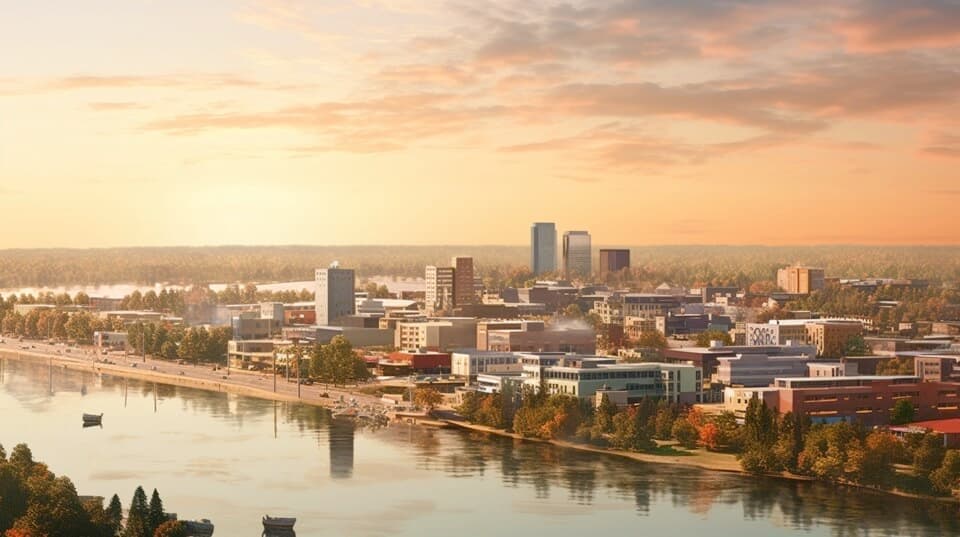
Founded in 1872, Bismarck, North Dakota, originally served as a central hub for steamboat traffic and later as the state capital. This dynamic city uniquely merges its historical significance with a progressive outlook, captivating visitors and residents alike with its blend of rich history, cultural diversity, and modern amenities.
Bismarck snapshot
| Aspect | Details |
|---|---|
| Average Home Price | $426,200 |
| Cost of Living | 91.082 Regional Price Parity (RPP for the US is 100, lower = lower than average, higher = higher than average) |
| Crime | 38.25 incidents per 1,000 residents. (Average crime rate in the US is 23.48 per 1,000 residents (FBI, US Census)) |
| Weather | Bismarck has cold winters and warm summers. If you live variety in your weather and you’re not scared of extremes, you will like the weather here. |
Pro Tip
“Housing decisions are often made with the present in mind. But I’ve learned to consider future flexibility – ease of resale, potential for rental, and adaptability of the space for changing life phases. A house that fits your life now and five years down the line is a smarter investment”. – Olly Gaspar, Adventure Travel Publisher & Photographer at We Seek Travel
Bismarck healthcare
Bismarck, North Dakota, stands out for its healthcare services, with several top-ranked hospitals and medical facilities. These hospitals provide a range of services and are recognized for their quality of care and medical expertise.
| Category | Details |
|---|---|
| Bismarck Hospitals | Bismarck is home to several highly regarded hospitals. Sanford Medical Center Bismarck and CHI St. Alexius Health Bismarck are among the top facilities, offering comprehensive medical services and specialized care. Sanford Medical Center Bismarck has been named to Newsweek’s list of America’s Best-In-State Hospitals 2024. |
| Other Notable Hospitals | Other notable medical facilities in Bismarck include Linton Regional Medical Center and CHI St. Alexius Health Turtle Lake, both contributing to the high standard of healthcare in the region. |
Bismarck walkability
Bismarck, North Dakota, offers a varied walkability landscape, with some areas providing better accessibility on foot than others. The city’s layout and public spaces contribute to its overall pedestrian-friendly environment in certain neighborhoods.
| Category | Details |
|---|---|
| Overall Walkability | Bismarck has an average Walk Score of 35, indicating that most errands require a car. However, there are some areas of the city with higher scores, particularly in the downtown area. |
| Highly Walkable Areas | Areas such as Downtown Bismarck are more walkable, with scores indicating that many errands do not require a car. |
| Neighborhood Variability | Walkability in Bismarck varies by neighborhood. The most walkable neighborhoods include Downtown, Northridge, and Wachter’s, each offering a unique living experience with access to local conveniences. |
Bismarck education
Bismarck, North Dakota, features a strong education system with several high-ranking school districts and top-performing public schools. The city’s schools are known for their academic excellence and commitment to student success.
| Category | Details |
|---|---|
| Bismarck Area School Districts | Bismarck School District No. 1 is highly rated, with schools like Century High School, Bismarck High School, and Legacy High School being particularly notable for their academic performance. |
| High Schools in Bismarck | High schools such as Century High School and Bismarck High School are ranked highly in North Dakota, reflecting the district’s strong performance on state-required tests, graduation rates, and college readiness. |
| Top Public Schools in Bismarck | Specific schools in Bismarck, such as Roosevelt Elementary School, Apple Creek Elementary School, and Highland Acres Elementary School, are highly ranked for their performance and educational offerings. |
Bismarck jobs and economy
Bismarck, North Dakota, has a dynamic and growing economy characterized by a strong job market, competitive salaries, and positive future job growth projections.
| Category | Details |
|---|---|
| Job Market Growth | Bismarck has experienced significant job market growth, with future job growth over the next ten years predicted to be 30.2%, which is slightly lower than the US average. |
| Average Annual Salary | The average annual salary in Bismarck is $68,698. |
| Future Job Growth | Future job growth in Bismarck is promising, with predictions of increases in employment opportunities, particularly in healthcare, education, and retail sectors. |
| Recent Trends | Bismarck’s economy benefits from its status as the state capital and a regional hub, contributing to its economic strength and job market resilience. |
| Attractiveness to New Residents | The robust job market and quality of life in Bismarck continue to attract new residents, contributing to the city’s growth and development. |
| Overall Economic Strength | Bismarck’s economy is strong and diverse, driven by its government sector, healthcare services, and a growing number of local businesses. |
Grand Forks
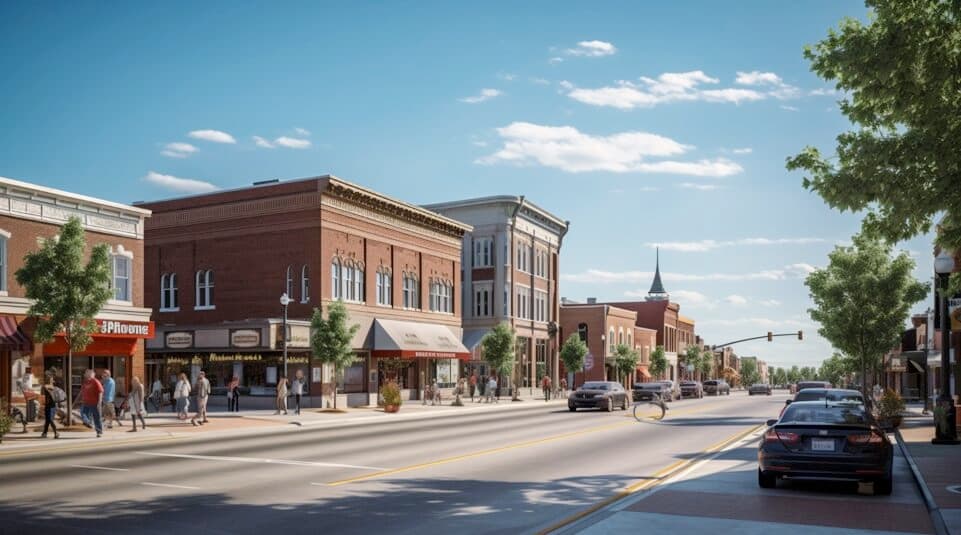
Founded in 1870, Grand Forks, North Dakota, originally developed as a steamboat landing and fur trading post. This dynamic city uniquely merges its historical significance with a progressive outlook, captivating visitors and residents alike with its blend of rich history, cultural diversity, and modern amenities.
Grand Forks snapshot
| Aspect | Details |
|---|---|
| Average Home Price | $253,635 |
| Cost of Living | 86.785 Regional Price Parity (RPP for the US is 100, lower = lower than average, higher = higher than average) |
| Crime | 31.75 per 1,000 residents. (Average crime rate in the US is 23.48 per 1,000 residents (FBI, US Census)) |
| Weather | Grand Forks experiences a continental climate. The winters are cold and the summers are warm. |
Grand Forks healthcare
Grand Forks, North Dakota, is recognized for its healthcare services, with several top-ranked hospitals and medical facilities. These hospitals provide a range of services and are known for their quality of care and medical expertise.
| Category | Details |
|---|---|
| Grand Forks Hospitals | Grand Forks is home to Altru Health System-Grand Forks, a leading healthcare provider in the region. Altru Hospital offers comprehensive medical services and specialized care and has been recognized on Newsweek’s list of Best Maternity Hospitals. |
| Other Notable Hospitals | Other notable medical facilities in Grand Forks include Riverview Health and North Valley Health Center, both contributing to the high standard of healthcare in the area. |
Grand Forks walkability
Grand Forks, North Dakota, offers a varied walkability landscape, with some areas providing better accessibility on foot than others. The city’s layout and public spaces contribute to its overall pedestrian-friendly environment in certain neighborhoods.
| Category | Details |
|---|---|
| Overall Walkability | Grand Forks has an average Walk Score of 47, indicating that most errands require a car. However, there are some areas of the city with higher scores, particularly in the downtown area. |
| Highly Walkable Areas | Areas such as Downtown Grand Forks are more walkable, with scores indicating that many errands do not require a car. |
| Neighborhood Variability | Walkability in Grand Forks varies by neighborhood. The most walkable neighborhoods include Downtown, Riverside, and University Park, each offering a unique living experience with access to local conveniences. |
Grand Forks education
Grand Forks, North Dakota, features a strong education system with several high-ranking school districts and top-performing public schools. The city’s schools are known for their academic excellence and commitment to student success.
| Category | Details |
|---|---|
| Grand Forks Area School Districts | Grand Forks Public Schools district is highly rated, with schools like J Nelson Kelly Elementary School, Discovery Elementary School, and Central High School being particularly notable for their academic performance. |
| High Schools in Grand Forks | High schools such as Central High School and Red River High School are ranked highly in North Dakota, reflecting the district’s strong performance on state-required tests, graduation rates, and college readiness. |
| Top Public Schools in Grand Forks | Specific schools in Grand Forks, such as Lewis And Clark Elementary School and Viking Elementary School, are highly ranked for their performance and educational offerings. |
Grand Forks jobs and economy
Grand Forks, North Dakota, has a dynamic and growing economy characterized by a strong job market, competitive salaries, and positive future job growth projections.
| Category | Details |
|---|---|
| Job Market Growth | Grand Forks has experienced significant job market growth, with future job growth over the next ten years predicted to be 33.9%, which is higher than the US average of 33.5%. |
| Average Annual Salary | The average annual salary in Grand Forks is $60,462. |
| Future Job Growth | Future job growth in Grand Forks is promising, with predictions of increases in employment opportunities, particularly in healthcare, education, and retail sectors. |
| Recent Trends | Grand Forks’ economy benefits from its status as a regional hub and educational center, contributing to its economic strength and job market resilience. |
| Attractiveness to New Residents | The robust job market and quality of life in Grand Forks continue to attract new residents, contributing to the city’s growth and development. |
| Overall Economic Strength | Grand Forks’ economy is strong and diverse, driven by its healthcare services, education sector, and a growing number of local businesses. |
Our methodology
In our methodology for identifying the best places to live in a state, we adopt a comprehensive and data-driven approach, relying on a variety of trusted and authoritative sources to compile our rankings. This process is outlined in the following steps:
Economic Data Analysis: We gather robust economic statistics from esteemed sources such as the U.S. Bureau of Labor Statistics and the Bureau of Economic Analysis. These agencies provide us with critical data on employment rates, income levels, job growth, and other economic indicators that contribute significantly to the quality of life in an area.
Employment Opportunities: In addition to general economic data, we specifically examine employment statistics from the Bureau of Labor Statistics. This includes examining trends in job growth, the diversity of industries present, and the stability of employment in different regions, which are vital factors in determining a place's economic health and attractiveness.
Crime Rate Assessment: For understanding the safety and security of a place, we utilize data from the FBI’s Crime Data Explorer. This tool offers detailed insights into various types of crime rates, including both property and violent crimes, allowing us to assess the safety of a community comprehensively.
Housing Market Evaluation: Housing affordability and market trends are key components of our analysis. We primarily use Zillow.com for up-to-date and detailed information on house prices, trends in the housing market, and the overall affordability of living in different areas. When necessary, we also consult other reliable sources to validate and enrich our data.
Additional Quality of Life Factors: Recognizing that quality of life is influenced by a variety of factors, we also incorporate data from other official and reputable sources. This includes information on education quality, healthcare accessibility, environmental quality, transportation infrastructure, and recreational opportunities, among others.
Data Integration and Analysis: Upon gathering data from these diverse sources, we integrate and analyze it to provide a holistic view of each location. Our analysis involves not only looking at the raw numbers but also understanding the context and relative significance of each data point.
Essential Financial Resources for Living in North Dakota
Planning to move to the Peace Garden State? Whether you’re buying a home in Fargo, remodeling in Bismarck, or covering unexpected costs, these North Dakota-specific financial guides will help you make smart money choices:
- 🏠 Best Mortgage Lenders in North Dakota – Discover top-rated mortgage lenders and competitive rates across the state.
- 💳 Best Personal Loans in North Dakota – Explore personal loan options designed for North Dakota residents.
- 🔁 Best HELOC Rates in North Dakota – Tap into your home’s equity with flexible and affordable HELOCs.
These tools are tailored to help you manage your finances confidently as you make North Dakota your home.
FAQ
What is the cost of living like in Bismarck, West Fargo, and Grand Forks?
The cost of living in these cities is slightly above the state average. Factors like housing, utilities, groceries, and transportation contribute to the overall cost. The median home value and average rent rates are important considerations for those planning to move.
What are the job opportunities and economic conditions in North Dakota’s major cities?
North Dakota offers a range of job opportunities, particularly in sectors like energy, agriculture, healthcare, and technology. The state’s economy is generally healthy, with cities like Bismarck, West Fargo, and Grand Forks offering diverse employment options.
How are the educational facilities and schools in North Dakota?
North Dakota is known for its quality educational system, including public and private schools, as well as higher education institutions. Cities like Grand Forks host prominent universities, offering various educational opportunities.
What is the lifestyle and community like in North Dakota’s cities?
North Dakota offers a community-oriented lifestyle with a focus on family-friendly activities and outdoor recreation. The state’s cities, including Bismarck, West Fargo, and Grand Forks, are known for their friendly communities, cultural events, and recreational facilities.
What is the weather like in North Dakota?
North Dakota experiences a continental climate with cold winters and warm summers. Outdoor activities vary by season, and residents enjoy a range of recreational opportunities throughout the year, from winter sports to summer festivals.
Key takeaways
- North Dakota offers a diverse blend of history, culture, and economic opportunities.
- West Fargo, with its lower cost of living and strong healthcare services, provides a blend of small-town charm and modern amenities.
- Bismarck, the state capital, boasts a dynamic economy with competitive salaries and a promising job market, although housing expenses are slightly higher.
- Grand Forks, known for its affordability, offers a pleasant living experience with lower costs and a growing job market.
Share this post:
Add as a preferred source on Google
Table of Contents