
How Many Credit Cards Should I Have? The Answer Depends on These 4 Factors

Last updated 05/05/2026 by
Andrew Latham
Edited by
Andrew Latham
Summary:
There’s no universal right number. The optimal number of credit cards depends on your credit score goals, spending habits, and ability to manage payments without missing one.
For most people, 2–4 cards covers all the bases. For others, 1 is plenty and 6 is fine.
- More cards can help your score: Each additional card adds available credit, which lowers your overall utilization ratio if spending stays flat. It also diversifies your payment history.
- More cards add management risk: Every card is a potential missed payment. Annual fees multiply. Benefit categories overlap. Above a certain point, the complexity outweighs the gains.
- What research shows: Americans with FICO scores above 800 carry an average of 4–5 open credit accounts. But correlation isn’t causation — they have high scores because they manage credit well, not simply because they have more cards.
- The floor: At least one card is worth having for nearly everyone — it’s the most accessible way to build payment history and credit mix simultaneously.
According to the SuperMoney credit card industry study, 68% of Americans have at least one active credit card. But how many is optimal? The answer depends entirely on how you use them — not how many you have.
Compare Credit Cards
Compare the rates, fees, and rewards of leading credit cards.
Does Having More Credit Cards Help Your Credit Score?
Yes — but indirectly, and only if you’re managing them correctly.
More cards mean more available credit. If your spending stays constant, more available credit means lower credit utilization — and utilization accounts for 30% of your FICO score. That’s the core argument for holding multiple cards.
| Scenario | Balance | Total Limit | Utilization |
|---|---|---|---|
| 1 card | $1,500 | $5,000 | 30% |
| 2 cards | $1,500 | $10,000 | 15% |
| 3 cards | $1,500 | $15,000 | 10% |
Same spending. Same balance. Lower utilization — and a higher score — simply from having more available credit spread across additional cards.
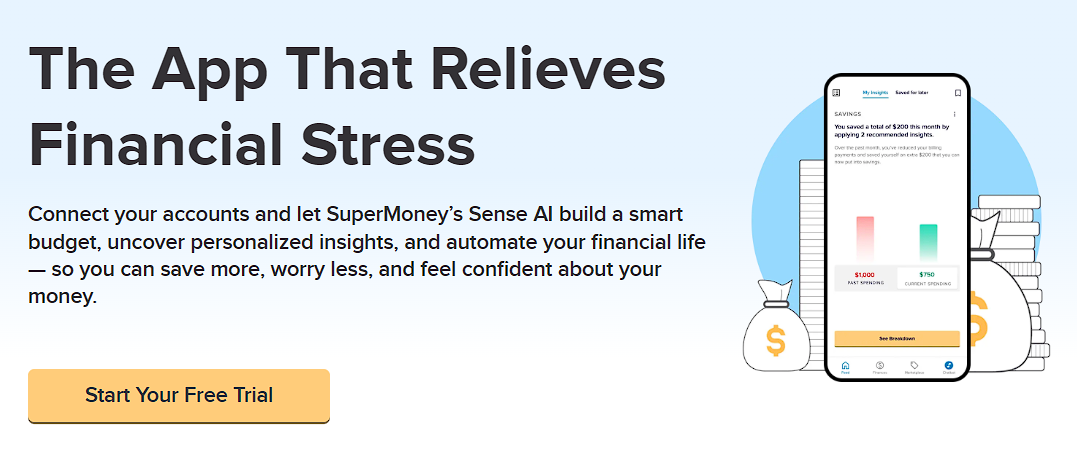 The SuperMoney app shows you credit cards matched to your current score — so you can add a card strategically without applying for ones you’re unlikely to get approved for.
The Case for Fewer Cards
More cards also means more ways for things to go wrong.
- Missed payments multiply. Each card is a separate due date, a separate minimum payment, and a separate risk of a late mark. Payment history is the largest FICO factor at 35% — one missed payment on any card can drop a score in the 700s by 60–110 points.
- Annual fees add up. Two rewards cards at $95/year each cost $190 annually before you spend a dollar. If the rewards don’t clearly exceed the fees, you’re losing money. See credit card fees explained for how to run the math.
- Benefit overlap is common. A second cash back card with the same 2% flat rate as your first adds nothing in rewards value — just another account to track.
- Hard inquiries from applications compound. Every new card application triggers a hard inquiry. Multiple applications in a short window compound the short-term score impact. See hard inquiry vs. soft inquiry for the full breakdown.
How Many Cards Do High-Credit-Score Consumers Have?
People with excellent credit (FICO 800+) typically carry 4–5 open credit accounts. But this includes all account types — credit cards, auto loans, mortgages, and lines of credit — not just cards.
| Credit Profile | Typical Card Count | Why |
|---|---|---|
| Building credit (score under 670) | 1–2 | Focus on clean payment history; avoid hard inquiry overhead |
| Established credit (670–739) | 2–3 | Enough to diversify rewards and lower utilization |
| Good credit (740–799) | 3–4 | Can optimize rewards categories; utilization well managed |
| Excellent credit (800+) | 3–6+ | Strong enough file to absorb inquiries; multiple rewards programs |
These are patterns, not prescriptions. A single card managed perfectly beats four cards managed sloppily every time.
Pro Tip
Before opening a new card, ask whether it solves a specific problem your current cards don’t. A card that earns 3% on groceries when your existing card earns 1.5% on everything is additive. A third card that earns the same rate on the same categories as the first two adds complexity without adding value. The best card lineup has no overlap and no gaps — each card earns the most in a category the others miss.
Issuer Limits: How Many Cards Can You Have With One Bank?
Most major issuers cap how many of their cards you can hold simultaneously. These limits aren’t always published — but they’re consistently observed in practice.
| Issuer | Typical Card Limit | Notes |
|---|---|---|
| Chase | 5 personal cards | 5/24 rule: Chase generally won’t approve applicants who’ve opened 5+ cards (any issuer) in the past 24 months |
| American Express | 5 credit cards; up to 10 charge cards | Charge cards count separately from credit cards |
| Citi | No published hard limit | Practical limit around 3–4 personal cards; restricts new apps within 8 days of last approval |
| Discover | 2 cards | Hard limit of 2 Discover credit cards per person |
| Bank of America | No hard limit | Soft cap around 4–5 in practice; 2/3/4 rule applies (no more than 2 cards in 2 months, 3 in 12 months, 4 in 24 months) |
| Capital One | 2 personal cards | Hard limit of 2 personal Capital One credit cards |
These rules change periodically. Confirm current limits before applying, particularly for Chase where the 5/24 rule can block approvals regardless of credit score.
When to Open a New Card — and When to Wait
- Open a new card if: You have a genuine rewards gap (a category where you consistently earn less than 2%), your current utilization is above 20% and a new card would lower it, or you’re building credit and have only one account.
- Wait if: You have a mortgage, auto loan, or other major credit application coming up in the next 6 months — new inquiries and accounts can affect approval odds and rates. Also wait if you’ve already opened two or more cards in the last 12 months.
- Never open a card just for the sign-up bonus if you’ll carry a balance to hit the spending threshold. The interest on a carried balance erases the bonus value quickly at 22%+ APR.
Pro Tip
If your goal is purely score optimization — not rewards — the most efficient move is to request a credit limit increase on an existing card rather than opening a new one. A limit increase adds available credit (lowering utilization) without a new account that lowers your average account age. Many issuers will approve a limit increase with a soft pull only, meaning zero score impact. See how to request one in credit card limits.
Key takeaways
- There’s no universal right number. The optimal count depends on your ability to manage payments, your utilization goals, and whether additional cards fill a genuine rewards gap.
- More cards lower utilization — if spending stays flat, each additional card’s credit limit reduces the percentage of available credit you’re using.
- More cards also multiply missed payment risk. Payment history is the largest FICO factor. One missed payment on any card causes more damage than the utilization benefit of holding an extra card.
- Most issuers cap how many of their cards you can hold. Capital One and Discover both limit personal cardholders to 2 cards each. Chase’s 5/24 rule blocks approvals for heavy card applicants regardless of credit score.
- For most people, 2–4 cards covers all credit-building and rewards goals. Beyond that, returns diminish and complexity grows.
Frequently Asked Questions
Does having too many credit cards hurt your credit score?
Not directly — FICO doesn’t penalize for the number of cards held. What hurts is the behavior: missed payments, high utilization, or too many hard inquiries from rapid applications. A person with 10 well-managed cards will outscore a person with 2 poorly managed ones every time.
Is it better to have one card or multiple cards?
Multiple cards offer more available credit (lower utilization) and more rewards optimization opportunities. One card is simpler and harder to mismanage. The right answer depends on whether you can reliably track and pay multiple accounts. If managing two cards means occasionally missing a due date, stick with one — the missed payment does more damage than the utilization benefit provides.
How many credit cards is too many?
“Too many” is personal, but practical signals include: you’re unsure what cards you have, you’ve missed a payment in the last 12 months, your total annual fees exceed your annual rewards earned, or you’ve opened more than 2 new cards in the last 6 months. For how each card affects your credit score, the factors are the same regardless of how many you hold.
Does closing cards you don’t use help?
Usually not. Closing a card removes its credit limit from your available credit, which raises utilization. If it was your oldest card, it may also shorten your credit history. Better to keep unused cards open with a small recurring charge to prevent the issuer from closing them for inactivity. The only case where closing makes sense is when an annual fee clearly outweighs any benefit and no no-fee version of the card exists.
How many cards should I have if I’m building credit?
Start with one. A single card — ideally a no-annual-fee card or a secured credit card if your score is thin — gives you the payment history and credit mix benefits that account for 45% of your FICO score combined. Add a second card after 12 months of clean payment history on the first. There’s no benefit to opening multiple cards simultaneously when you’re building from scratch.
Compare credit cards on SuperMoney — filter by credit score requirement, annual fee, and rewards category to find cards that fit your current lineup without overlap.
The SuperMoney app lets you compare credit cards side by side — rewards rate, annual fee, and approval requirements — so you can add a card that fills a gap, not one that duplicates what you already have.Andrew is the Content Director for SuperMoney, a Certified Financial Planner®, and a Certified Personal Finance Counselor. He loves to geek out on financial data and translate it into actionable insights everyone can understand. His work is often cited by major publications and institutions, such as Forbes, U.S. News, Fox Business, SFGate, Realtor, Deloitte, and Business Insider.
Share this post:
Add as a preferred source on Google
Table of Contents