
What Happens If Your Checking Account Is Overdrawn?

Last updated 04/15/2026 by
Erin Gobler
Fact checked by
Andrew Latham
Summary:
An overdrawn checking account occurs when you spend more than your available balance, resulting in a negative account balance and potential fees. Banks typically charge an overdraft fee of $26.61 on average per transaction and may close the account if the negative balance isn’t resolved within 60 days.
- Immediate consequence: The bank covers the transaction but charges an overdraft fee — averaging $26.61 per occurrence.
- Extended overdraft fee: Many banks charge an additional daily fee ($5–$7) if the account stays negative beyond 5 business days.
- Account closure risk: Most banks close accounts that remain overdrawn for 30–60 days and report the closure to ChexSystems.
- Collections impact: Unpaid negative balances can be sent to collections and damage your credit score.
Discovering a negative balance in your checking account triggers an immediate wave of stress — and the clock starts ticking the moment it happens. Every day the account stays negative, the situation gets more expensive and harder to fix.
The good news: banks want to recover the money, not punish you. Acting quickly gives you the best chance of getting fees waived and keeping the account open.
What Happens When Your Account Goes Negative
When you make a purchase or payment that exceeds your available balance, one of two things happens depending on your overdraft settings.
If you’ve opted in to overdraft coverage, the bank pays the transaction on your behalf and charges an overdraft fee — averaging $26.61 per transaction according to Bankrate’s 2025 survey. Your account balance goes negative by the transaction amount plus the fee.
If you’ve opted out of overdraft coverage (or never opted in), the bank declines the transaction entirely. You may still be charged a nonsufficient funds (NSF) fee, which averages $19.94, even though the payment didn’t go through.
Each additional transaction that posts while your account is negative triggers a separate fee. Three overdrafts in a single day could cost $80 or more in fees alone — on top of the amounts you actually spent.
Pro tip: Some banks cap overdraft fees at one per day or three per statement cycle — check your bank’s overdraft policy to know your maximum exposure before it happens.
The Timeline After an Overdraft
Banks follow a predictable escalation path when an account stays negative. Knowing the timeline helps you prioritize which steps to take first.
| Time Frame | What Happens |
|---|---|
| Day 1 | Overdraft fee charged ($26.61 average). Negative balance appears in your account. |
| Days 2–5 | Grace period at most banks — deposit funds to avoid extended fees. |
| Days 5–7 | Extended overdraft fee begins ($5–$7/day at many banks). Bank sends notification. |
| Days 7–30 | Additional notices sent. Account may be restricted from new transactions. |
| Days 30–60 | Bank closes the account involuntarily and reports to ChexSystems. |
| After 60 days | Unpaid balance sent to collections. May appear on your credit report. |
How to Fix an Overdrawn Account
5 Steps to Recover From an Overdrawn Account
Speed matters. The faster you act, the more likely you are to get fees waived and keep the account open.
- Stop using the account immediately. Every additional transaction while the account is negative triggers a new fee. Switch to cash or another payment method until the balance is positive.
- Deposit enough to cover the negative balance plus fees. Check your current balance — it includes the overdraft amount and any fees already charged. You need to bring the total above zero, not just cover the original transaction.
- Call your bank and request a fee waiver. Banks routinely waive overdraft fees for first-time occurrences. Call the customer service line, explain the situation, and ask specifically for a courtesy waiver. According to a Forbes Advisor survey, roughly 56% of customers who asked for a fee waiver received one.
- Transfer money from another account. If you have a savings account or a second checking account, transfer funds immediately. An internal transfer between accounts at the same bank typically posts instantly.
- Set up overdraft protection for the future. Link a savings account, credit card, or line of credit to your checking account. If you overdraw in the future, the bank pulls from the linked account instead of charging an overdraft fee — though some banks charge a smaller transfer fee ($5–$12).
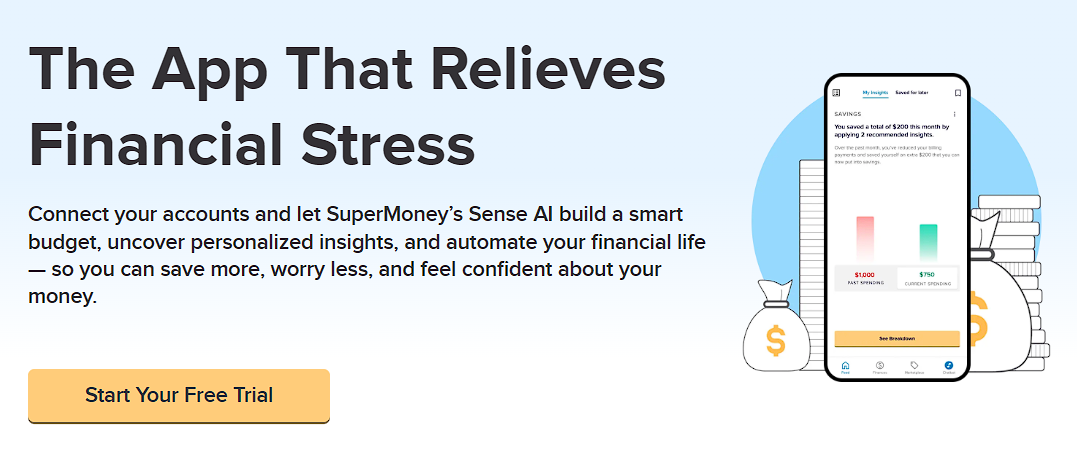 The SuperMoney app connects all your savings and checking accounts in one view — so you can spot unusual activity early, track balances across banks, and stay on top of any account that might be approaching inactivity thresholds.
What Happens If You Can’t Deposit Money Right Away
If you don’t have funds to cover the negative balance immediately, you still have options — but time is the critical variable.
Contact your bank within the first 48 hours. Explain that you need a few days to deposit funds and ask if they can pause extended overdraft fees during that period. Some banks will grant a brief informal extension, especially for customers with an otherwise clean account history.
Look for sources of quick cash: selling unused items, picking up gig work through Uber or DoorDash, or asking a family member for a short-term loan. Even a partial deposit that reduces the negative balance can sometimes prevent the extended overdraft fee from triggering.
Do not ignore the overdraft. An unpaid negative balance follows a clear escalation path: fees compound, the account gets closed, the closure goes on your ChexSystems record for five years, and the debt eventually lands in collections — where it can damage your credit score.
How an Overdraft Affects Your Banking Record
A single overdraft that you resolve quickly — within a day or two — has no lasting impact on your banking record. The fee stings, but the account remains in good standing.
Chronic overdrafts tell a different story. Banks track overdraft frequency internally, and accounts with repeated negative balances may be flagged for review, restricted from overdraft coverage, or closed proactively.
If the bank closes your account due to an unpaid overdraft, the closure is reported to ChexSystems. That record stays on file for five years and will likely prevent you from opening a standard checking account at any bank that screens through ChexSystems — which is over 80% of U.S. institutions.
A second-chance checking account is the primary alternative for consumers with a negative ChexSystems record. These accounts provide basic banking access while you rebuild your record over 12 months of responsible use.
Pro tip: Request your free ChexSystems report annually at chexsystems.com — errors on ChexSystems reports are more common than on credit reports and can be disputed through the same Fair Credit Reporting Act process.
6 Ways to Prevent Future Overdrafts
- Opt out of overdraft coverage. Under Regulation E, your bank must let you opt out of overdraft fees on debit card and ATM transactions. The transaction is simply declined — no fee charged.
- Set up low-balance alerts. Configure your bank’s app to notify you when your balance drops below a threshold — $100 or $200 gives you enough runway to transfer funds before hitting zero.
- Link a backup funding source. Connect a savings account, credit card, or overdraft line of credit to your checking account. The bank pulls from this source instead of charging a standard overdraft fee.
- Track pending transactions. Your available balance and your actual balance aren’t always the same. Pending debit card holds, outstanding checks, and scheduled payments can all reduce your available balance before they officially post.
- Build a checking account buffer. Keeping a $200–$500 cushion in your checking account above your expected expenses creates a margin of safety for unexpected charges.
- Switch to a bank with no overdraft fees.Capital One, Ally, Chime, and several major credit unions have eliminated overdraft fees entirely. Comparing no-overdraft-fee accounts is the most permanent fix.
Checking accounts without overdraft fees are offered by online banks and credit unions that decline over-limit transactions rather than covering them for a penalty charge.
Key takeaways
- An overdrawn checking account triggers fees averaging $26.61 per transaction, with additional daily fees ($5–$7) if the negative balance persists beyond 5 business days.
- Banks typically close accounts that remain overdrawn for 30–60 days and report the closure to ChexSystems, which can prevent you from opening a new account for five years.
- Acting within 48 hours gives you the best chance of getting fees waived — roughly 56% of customers who call their bank and ask for a waiver receive one.
- Opting out of overdraft coverage under Regulation E is the most effective prevention: your bank must decline the transaction instead of charging a fee.
- Banks that have eliminated overdraft fees entirely — including Capital One, Ally, and Chime — offer the most permanent protection against overdraft costs.
How long can my bank account stay overdrawn?
Most banks allow an account to remain overdrawn for 30–60 days before closing it involuntarily. During that time, extended overdraft fees may accrue daily. Once closed, the unpaid balance is typically sent to collections.
Will an overdraft affect my credit score?
A single overdraft that you resolve quickly won’t affect your credit score. However, if the account is closed with an unpaid negative balance and the debt is sent to collections, the collection account will appear on your credit report and lower your score.
Can my bank close my account for being overdrawn?
Yes. Banks routinely close accounts that remain negative for 30–60 days. The closure is reported to ChexSystems, which affects your ability to open new accounts for up to five years.
How do I get overdraft fees refunded?
Call your bank’s customer service line and request a courtesy waiver. Be polite, explain the circumstances, and ask specifically for a one-time fee reversal. First-time requests have the highest success rate.
What’s the difference between overdraft protection and overdraft coverage?
Overdraft coverage (opt-in under Regulation E) lets the bank approve transactions you can’t cover and charge a fee. Overdraft protection links a backup account to automatically transfer funds when your balance goes negative — usually at a lower fee or no fee.
Can I still use my account while it’s overdrawn?
Technically yes, but every transaction while the account is negative may trigger an additional overdraft fee. Stop using the account immediately and focus on depositing funds to bring the balance above zero.
The SuperMoney app connects all your savings and checking accounts in one view — so you can spot unusual activity early, track balances across banks, and stay on top of any account that might be approaching inactivity thresholds.Erin Gobler is a Wisconsin-based personal finance writer with experience writing about mortgages, investing, taxes, personal loans, and insurance. Her work has been published in major outlets, such as SuperMoney, Fox Business, and Time.com.
Share this post:
Add as a preferred source on Google
Table of Contents