
Foreclosures
Foreclosure is the legal process by which a lender reclaims a property from a borrower who has defaulted on their mortgage. When a borrower stops making their mortgage payments, the lender can initiate foreclosure proceedings to take ownership of the property and sell it to recover the unpaid loan balance. Continue Reading Below
Encyclopedia Articles
Discover the definition of financial terms related to foreclosures.

Navigating the Transfer of Mortgage: A Complete Guide
Alessandra Nicole

Short Sale: Sell Your Home and Avoid Foreclosure
SuperMoney Team
Real Estate Owned (REO) Explained: Tips for buying REO properties
SuperMoney Team

Exploring the Role of a Mortgagee in Real Estate Transactions
Alessandra Nicole
Hope Now Alliance: Understanding Its Mission and Impact
Silas Bamigbola

Lender Confirmation Auctions: Definition, Examples, and Risks
SuperMoney Team

Nondisturbance Clause: Applications, Benefits, and Real-Life Examples
Silas Bamigbola
Subprime Meltdown: Causes, Impact, and Lessons
Silas Bamigbola

Foreclosure Filings: Types, Procedures, and Alternatives
SuperMoney Team

What is a Zombie Title? Understanding the Risks and Solutions
Alessandra Nicole
Learn About Foreclosures

How To Avoid Bankruptcy
Lara Jacobs

Options When A Spouse Dies With A Reverse Mortgage
Benjamin Locke

How To Handle Reverse Mortgage Foreclosure
Benjamin Locke

Mortgagee vs Mortgagor: What's the Difference?
Benjamin Locke
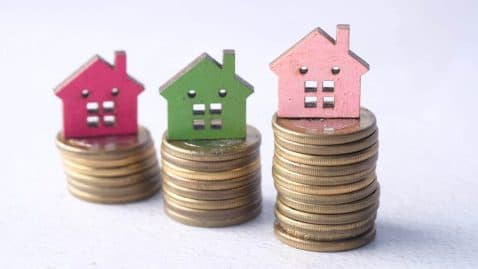
Tax Lien Investing: A Beginner's Guide to Profiting from Property Tax Liens
Benjamin Locke

What Happens If You Don't Pay Property Taxes?
Andrew Latham
Legal Risks of a Cash-Out Refinance: Foreclosure, Deficiency & How to Protect Yourself
Andrew Latham
9 Steps to Reduce the Threat of Foreclosure
Teresa Ambord

How to Finance Flipping a House
Julie Bawden-Davis

Risks of a Home Equity Loan: What Borrowers Should Watch Out For
Andrew Latham

Risks of Using Home Equity for Business Debt: What You’re Really Putting at Risk
Andrew Latham
How Does a Mortgage Affect Your Credit Score?
Camilla Smoot

VA Loan After Bankruptcy or Foreclosure 2026: How to Qualify and Rebuild
Andrew Latham
How to Repay a Reverse Mortgage and Exit Without Losing Your Home
Andrew Latham

How to Pay Off or Get Out of a Reverse Mortgage
Andrew Latham

Mortgage for Surviving Spouses and Heirs: What You Need to Know
Andrew Latham
About Foreclosures
- The lender files a lawsuit against the borrower to establish their right to foreclose on the property.
- The court holds a hearing to determine whether the borrower is in default and whether the lender has the right to foreclose.
- If the court rules in the lender's favor, it issues a foreclosure judgment, which allows the lender to proceed with selling the property.
- The property is sold at a public auction, with the proceeds from the sale used to pay off the borrower's mortgage debt. Any remaining balance may be owed to the borrower.